


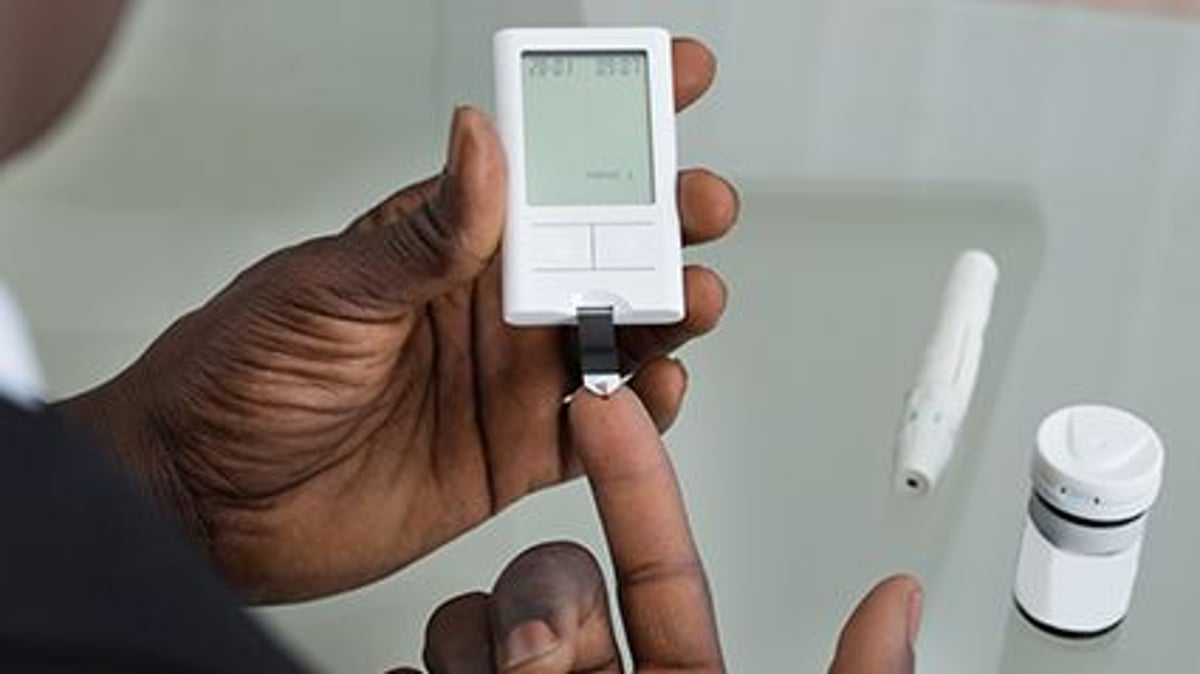
However, food insecurity not significantly tied to more nights spent hospitalized
THURSDAY, July 7, 2022 (HealthDay News) — Food insecurity among adults with diabetes is associated with decreased work productivity, according to a report published in the July issue of Health Affairs.
Joshua M. Weinstein, from the University of North Carolina at Chapel Hill, and colleagues assessed the associations between food insecurity, health-related missed workdays, and overnight hospitalizations among adult patients with diabetes. Analysis included pooled data from 13,116 U.S. adults (ages 18 to 65 years) with diabetes who participated in the National Health Interview Survey (2011 to 2018).
The researchers found that experiencing food insecurity was associated with increased odds of reporting any health-related missed workdays and increased odds of overnight hospitalization within the prior 12 months, compared to those who were food secure. Those with food insecurity experienced more than twice the rate of health-related missed workdays, but the association between food insecurity and the number of nights spent hospitalized was not significant.
“These findings underscore the broad impacts of food insecurity on health and wellness for working-age adults with diabetes,” the authors write. “When weighing the costs and benefits of proposed interventions to address food insecurity, policy makers should consider potential benefits related to productivity in addition to implications for health care use.”
Abstract/Full Text (subscription or payment may be required)
 Recommendations Issued for Use of Incretin-Based Meds in Pregnancy
  Eating More Ultraprocessed Foods Heightens Risk for Chronic Diseases
  Nutritional Deficiencies Seen in Youth Taking GLP-1 Receptor Agonists
  Socioeconomic Status Linked to Mortality After Acute Hip Fracture Surgery
  Implant, Patient Survival Do Not Differ for Robotic and Conventional Total Joint Replacement
  Physical Therapist-Supervised Exercise Improves Outcomes After ACL Reconstruction
  Early Complications Common in Older Kidney Transplant Recipients
  Myeloma Risk Modestly Increased in Adults With Incidentally Detected Vertebral Fracture

.jpg)

