



Food insecurity during the pandemic disproportionately affected non-White and low-income individuals
WEDNESDAY, April 27, 2022 (HealthDay News) — Roughly one in five U.S. adults experience food insecurity, which is a significant risk factor for delaying or forgoing medical care, according to a study published in the May issue of the American Journal of Public Health.
Jaclyn Bertoldo, M.P.H., R.D.N., from Johns Hopkins University in Baltimore, and colleagues assessed food insecurity in the United States in December 2020 using a web-based survey and examined associations with underuse of medical care during the COVID-19 pandemic.
The researchers found that in December 2020, 18.8 percent of the 8,318 U.S. adults surveyed reported experiencing food insecurity. Non-Hispanic Black, Hispanic, and low-income respondents had elevated odds of food insecurity. There was a significant association between experiencing food insecurity and a greater likelihood of forgoing any type of medical care as a result of cost concerns.
“We already know that people who struggle with maintaining a healthy diet are at higher risk of many health problems, including those that can make them more vulnerable to COVID-19,” Bertoldo said in a statement. “Delaying or postponing care could compound the risk of COVID-19 complications and contribute to widening health disparities in the pandemic and well after it ends.”
Abstract/Full Text (subscription or payment may be required)
 Recommendations Issued for Use of Incretin-Based Meds in Pregnancy
  Pre-Prostate Biopsy MRI Use Increased From 2017 to 2026
  Eating More Ultraprocessed Foods Heightens Risk for Chronic Diseases
 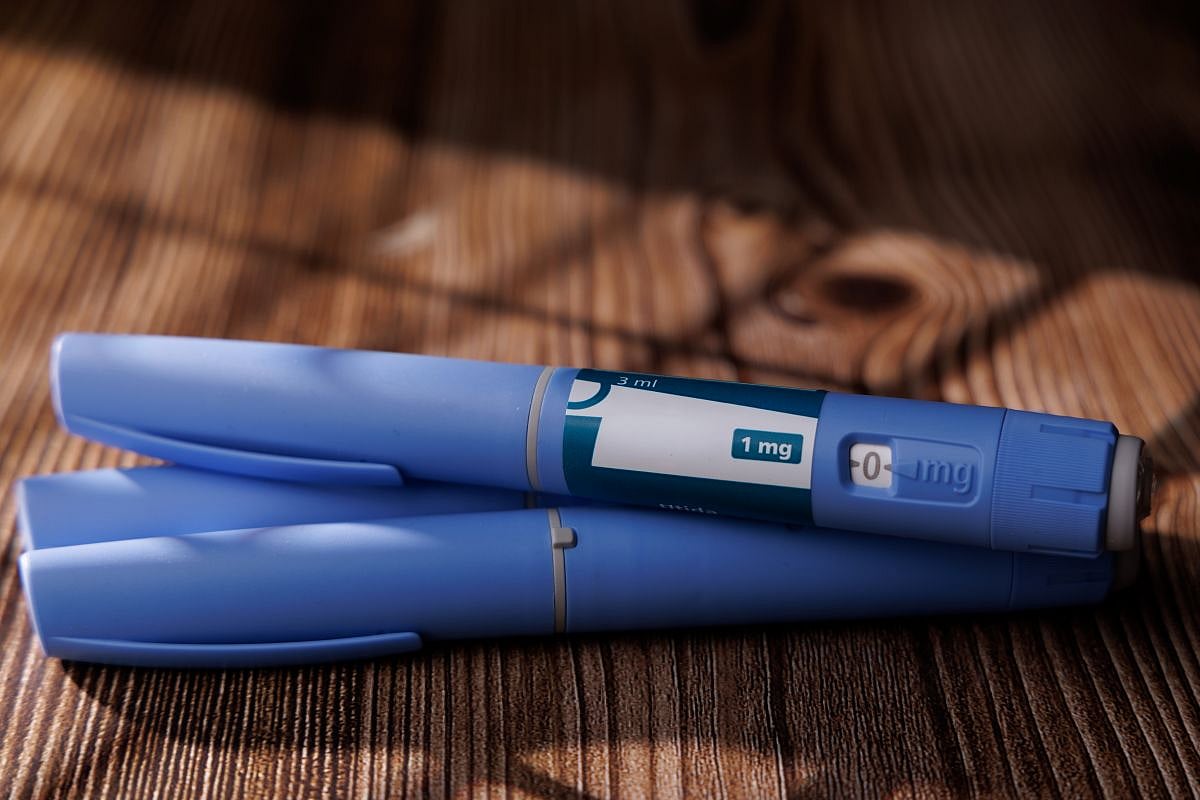 Nutritional Deficiencies Seen in Youth Taking GLP-1 Receptor Agonists
 .jpg) Considerable Gaps Reported in Care for Youth With Opioid Use Disorder
Considerable Gaps Reported in Care for Youth With Opioid Use Disorder .jpg) Mortality Lowest at Hemoglobin Concentrations Above WHO Thresholds
Mortality Lowest at Hemoglobin Concentrations Above WHO Thresholds  Oral Vitamin C Active in Clonal Cytopenia of Undetermined Significance
  2009 to 2023 Saw Surge in Probiotic Supplement Use




.jpg)