


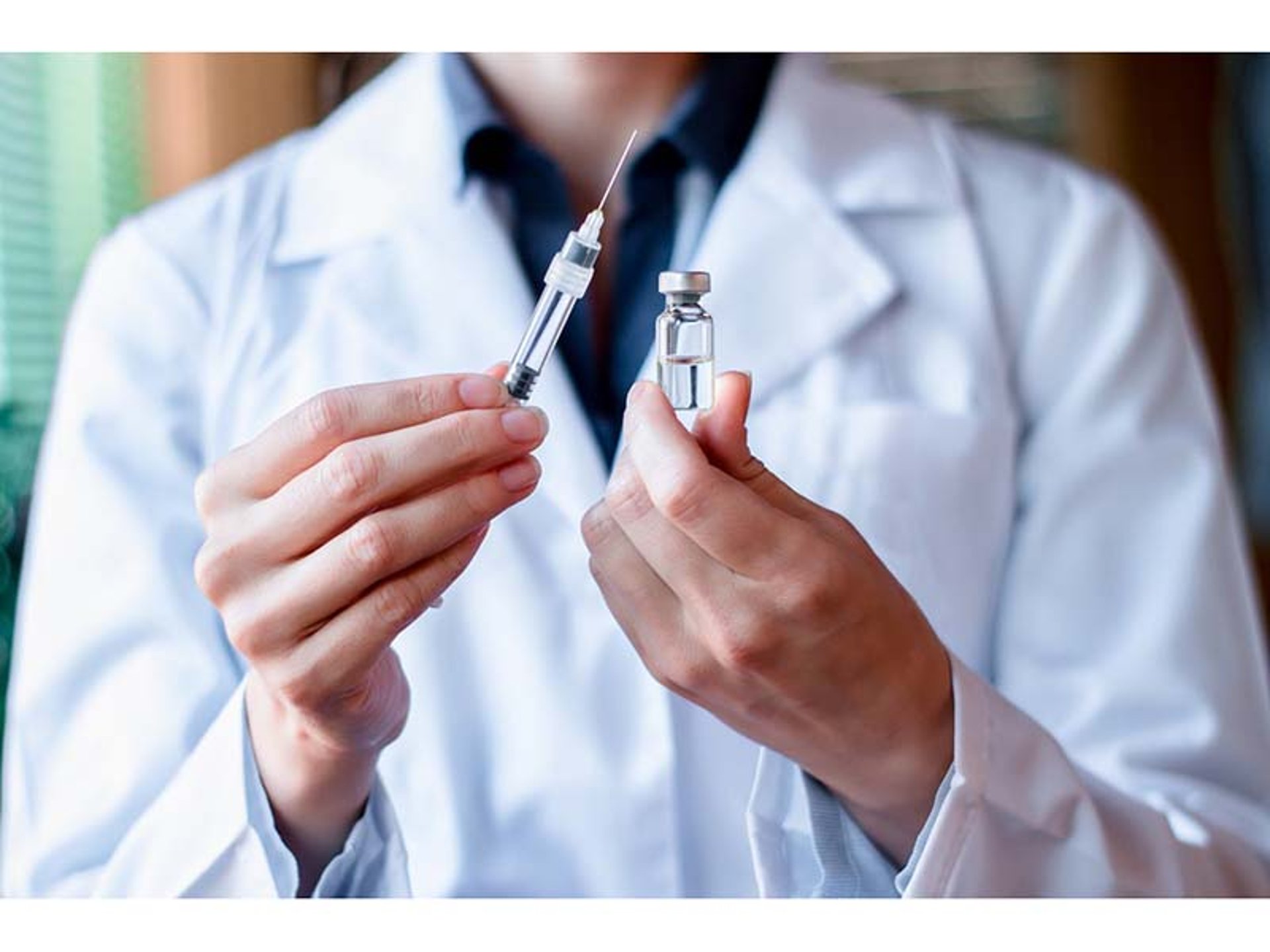
Interim results show improvement in primary end point of need for ventilation, other organ-supportive interventions
MONDAY, Jan. 25, 2021 (HealthDay News) — Evidence suggests that full-dose anticoagulation treatment reduces the need for vital organ support such as ventilation and may reduce mortality in moderately ill patients hospitalized with COVID-19, according to interim results of research funded by the National Health, Lung, and Blood Institute.
Researchers conducted three clinical trials in more than 300 hospitals across five continents to examine the potential benefit of full doses versus lower doses of heparin to treat moderately ill hospitalized adults with COVID-19.
Based on the interim results from more than 1,000 patients, full doses of heparin were found to be safe and were superior to doses normally given to prevent blood clots in hospitalized patients with respect to the primary end point of need for ventilation or other organ-supportive interventions. The full results will be made available as soon as possible to aid clinicians in making informed decisions about patient care.
“The trial results reported today complement the group’s findings announced in December that routine use of full-dose anticoagulation when started in the intensive care unit in critically ill COVID-19 patients was not beneficial and may have been harmful in some patients,” according to the press release.
 NOACs Linked to Slower Cognitive Decline in Patients With A-Fib, Alzheimer Disease
  ~16 Percent of COVID Cases Develop Postacute Sequelae of SARS-CoV-2
  New Guideline Details Diagnosis, Treatment of Acute Pulmonary Embolism
  Continuing Oral Anticoagulants After ≥90 Days Tied to Lower Risk for Recurrent VTE
  Elevated INR in Older Adults on Warfarin May Not Be Tied to Risk for Brain Bleeding After Head Trauma
  Bleeding Risks for Oral Anticoagulants and Aspirin Mostly Similar
  Fewer Bleeding Events Seen With Abelacimab Than Rivaroxaban in A-Fib
.jpg)

.jpg)