
Nonmodifiable risk factors include gestational diabetes, maternal history of allergy, prenatal history of eczema
WEDNESDAY, Feb. 8, 2023 (HealthDay News) — Genetic and environmental prenatal risk factors play a role in early childhood atopic dermatitis (AD), according to a review published online Jan. 27 in the Annals of Dermatology.
Hong Cui, M.D., Ph.D., from the First Teaching Hospital of Tianjin University of Traditional Chinese Medicine and Zhijuan Mu, from the National Clinical Research Center for Chinese Medicine Acupuncture and Moxibustion, both in Tianjin, China, conducted a systematic review and meta-analysis of 27 cohort studies to examine the association between modifiable and nonmodifiable gestational and prenatal risk factors that affect AD prevalence in children.
The researchers found that gestational diabetes, maternal history of allergy, and prenatal history of eczema (odds ratios, 7.2, 2.14, and 2.46, respectively) were major determining nonmodifiable risk factors in early manifestation of AD in children. Leading causes of early AD manifestation also included maternal exposure to industrial products, exposure to antibiotics during pregnancy, and passive smoking during pregnancy (odds ratios, 1.89, 3.59, and 2.60, respectively).
“Both genetic and environmental factors play a pivotal role in early manifestation of AD,” the authors write. “Further studies are required [to] clarify the mechanisms and ways to manage the modifiable factors to the least.”
 Low Levels of Placental Growth Factor in Pregnancy Linked to Subsequent ADHD in Offspring
  Air Pollution Does Not Impair Benefits of Walking in Reducing COPD Exacerbation Rate
  Recommendations Issued for Use of Incretin-Based Meds in Pregnancy
  Lower Dietary Diversity in First Year Linked to Atopic Dermatitis
  Distinct Skin Microbiome Features Emerge Before Atopic Disease Onset in Infants
 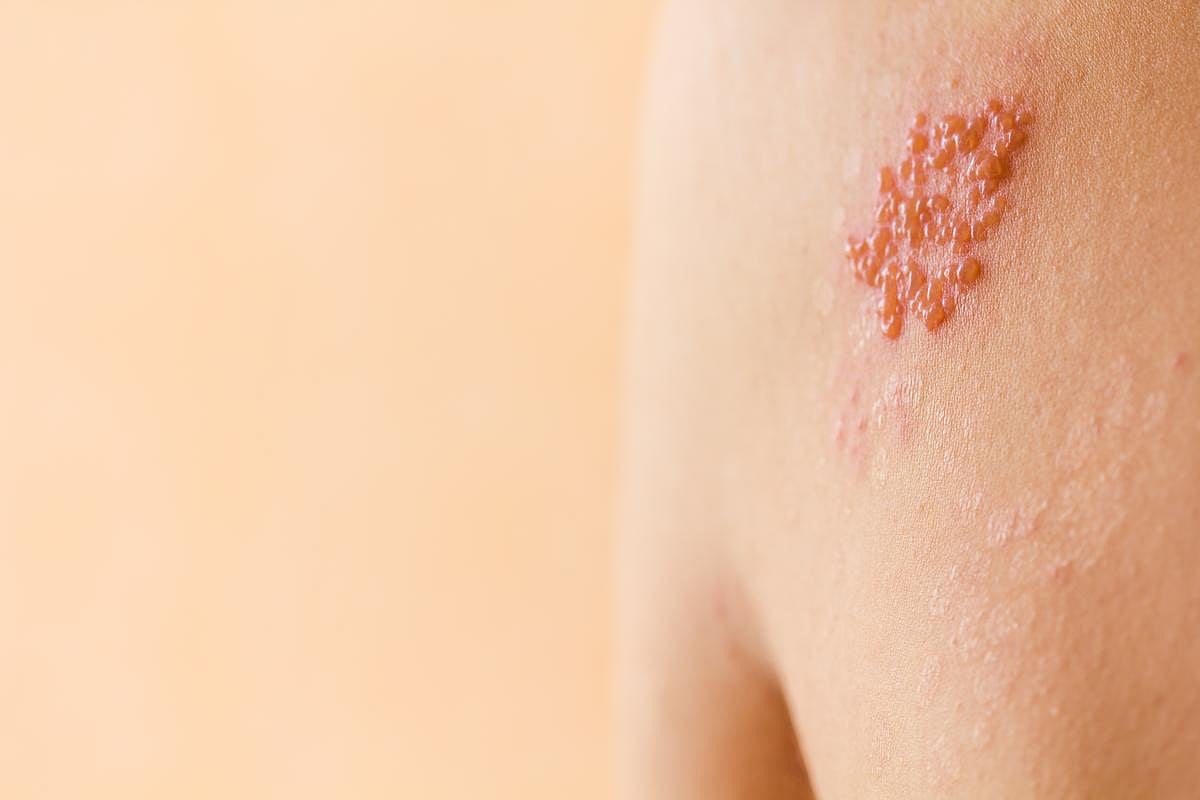 Risk for Herpes Zoster Elevated for Individuals With Atopic Dermatitis
  Early Respiratory Infections Linked to Atopic Dermatitis Diagnosis
  Review Shows Antihistamines Offer No Meaningful Benefit in Atopic Dermatitis

.jpg)