


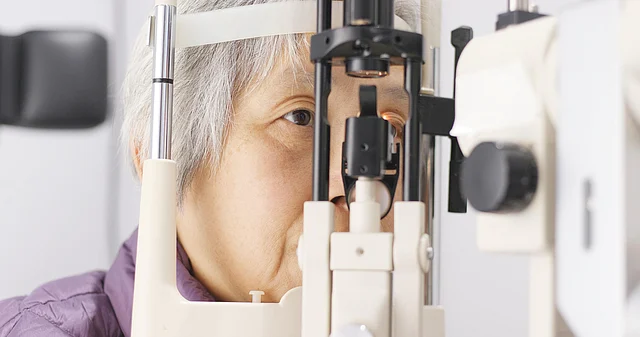
No link seen between prevalent, incident glaucoma and levels of or rates of change in TICS scores when categorizing glaucoma by type
WEDNESDAY, July 6, 2022 (HealthDay News) — Prevalent and incident glaucoma seem not to be associated with changes in cognitive function, according to a study published online June 22 in the Journal of the American Geriatrics Society.
Ajay Kolli, M.D., M.P.H., from the University of Michigan Medical School in Ann Arbor, and colleagues examined the association between glaucoma and cognitive function. Incident glaucoma cases were identified using Health and Retirement Study-linked Medicare claims data. The Telephone Interview for Cognitive Status (TICS), administered in each wave (every two years), was used to measure cognitive function. Analyses of prevalent glaucoma included 1,344 cases and 5,729 controls, while analyses of incident glaucoma included 886 cases and 4,385 controls.
The researchers found that those with prevalent glaucoma had similar TICS scores to controls in fully adjusted models. However, a significant association was identified between glaucoma and lower TICS scores among those with incident glaucoma. No significant association was seen for prevalent or incident glaucoma and per-year rate of change in TICS scores. Furthermore, no significant associations were detected between prevalent or incident glaucoma and levels of or rates of change in TICS scores when categorizing glaucoma by type in fully adjusted models.
“Given the large and growing population of older adults in the United States and globally, a more complete understanding of the relationship between glaucoma and cognitive health is needed to promote well-being and healthy aging,” the authors write.
One author disclosed financial ties to Ocuphire Pharma; a second author disclosed ties to MetLife.
 Statin Use Linked to Lower Risk for Glaucoma Incidence
  Lower Cognitive Functioning During 60s Linked to Subsequent Stroke Risk
  Ambient Temperature Linked to Intraocular Pressure in Glaucoma
  Polypharmacy of Prescription Medications Increased for U.S. Older Adults
  Drug Interactions Reducing Contraceptive Effectiveness Common in Epilepsy
 .jpg) Most Specialty Oral Anticancer Meds for Blood Cancers Are Initially Rejected by Insurers
Most Specialty Oral Anticancer Meds for Blood Cancers Are Initially Rejected by Insurers  Holding DMARDs at Time of COVID-19 Vaccine Not Warranted in Those With Inflammatory Arthritis
  1 in 3 With Lupus Take Supplements, Medications With Potential for Interactions



