


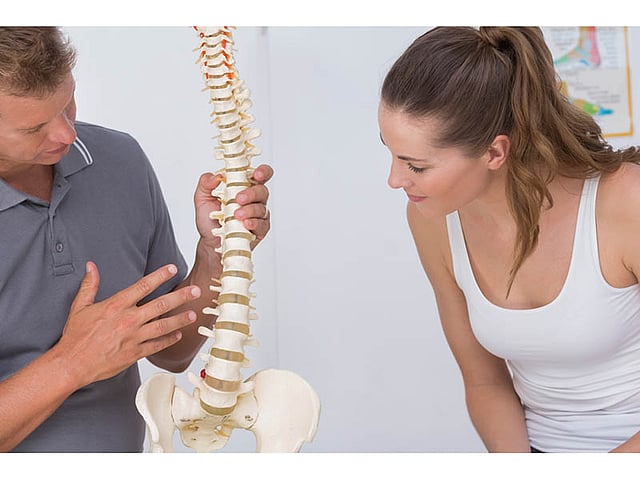
From 1990, slight decrease seen in age-standardized prevalence, disability-adjusted life year rates
FRIDAY, Nov. 6, 2020 (HealthDay News) — The global burden of musculoskeletal disorders is considerable, but prevalence and disability-adjusted life years (DALYs) have decreased slightly since 1990, according to a study published online Nov. 4 in Arthritis & Rheumatology.
Saeid Safiri, Ph.D., from the Tabriz University of Medical Sciences in Iran, and colleagues used data from the Global Burden of Disease Study 2017 to examine the level and trends of prevalence, deaths, and DALYs due to musculoskeletal disorders across 195 countries and territories from 1990 to 2017.
In 2017, the researchers identified 1.3 billion prevalent cases, 121.3 thousand deaths, and 138.7 million DALYs due to musculoskeletal disorders globally. Per 100,000, the age-standardized prevalence, death, and DALY rates were 16,276.2; 1.6; and 1,720. From 1990, there was a slight decrease in age-standardized prevalence (−1.6 percent) and DALY rates (−3.5 percent). In 2017, the global point prevalence rate of musculoskeletal disorders was higher in women than in men and increased with age to the oldest age group. Developed countries had a higher burden due to musculoskeletal disorders; countries in the highest age-standardized prevalence rates of musculoskeletal disorders in 2017 included Switzerland, Chile, and Denmark. The greatest increase from 1990 was seen in Chile, Benin, and El Salvador.
“A global response is needed, and this should be integrated with other strategies that can address some of the modifiable and important risk factors of musculoskeletal disorders, including obesity, poor nutrition, smoking, and sedentary lifestyles,” a coauthor said in a statement.
Abstract/Full Text (subscription or payment may be required)
 Age-, Joint-Specific Ultrasound Reference Values Set for Healthy Joints
  Lower Vertebral Bone Mineral Density Linked to Cognitive Decline
  Disparities Identified in Home Health Care After Hip, Knee Replacement
 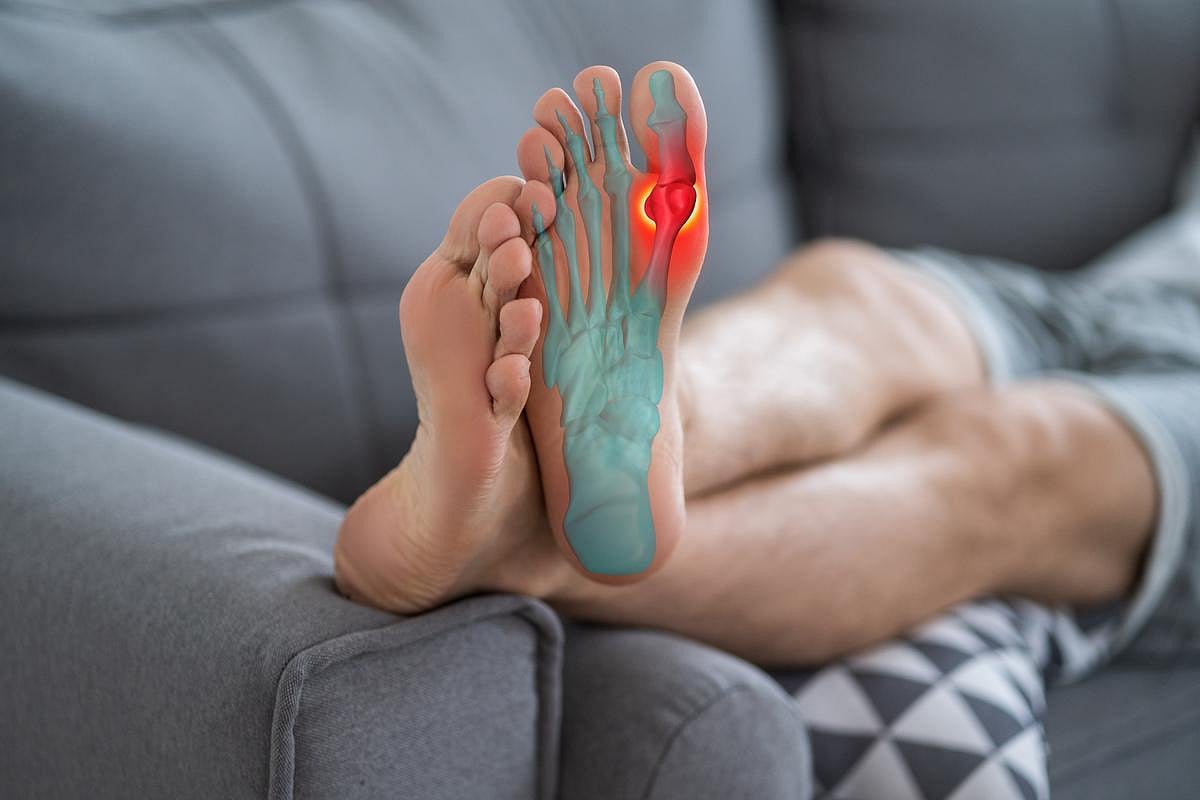 First Metatarsophalangeal Joint Arthrodesis Eases Painful Hallux Rigidus
  Review Reveals Limited Effects of Exercise on Hip Osteoarthritis
  Melatonin May Help Alleviate Chronic Musculoskeletal Pain
 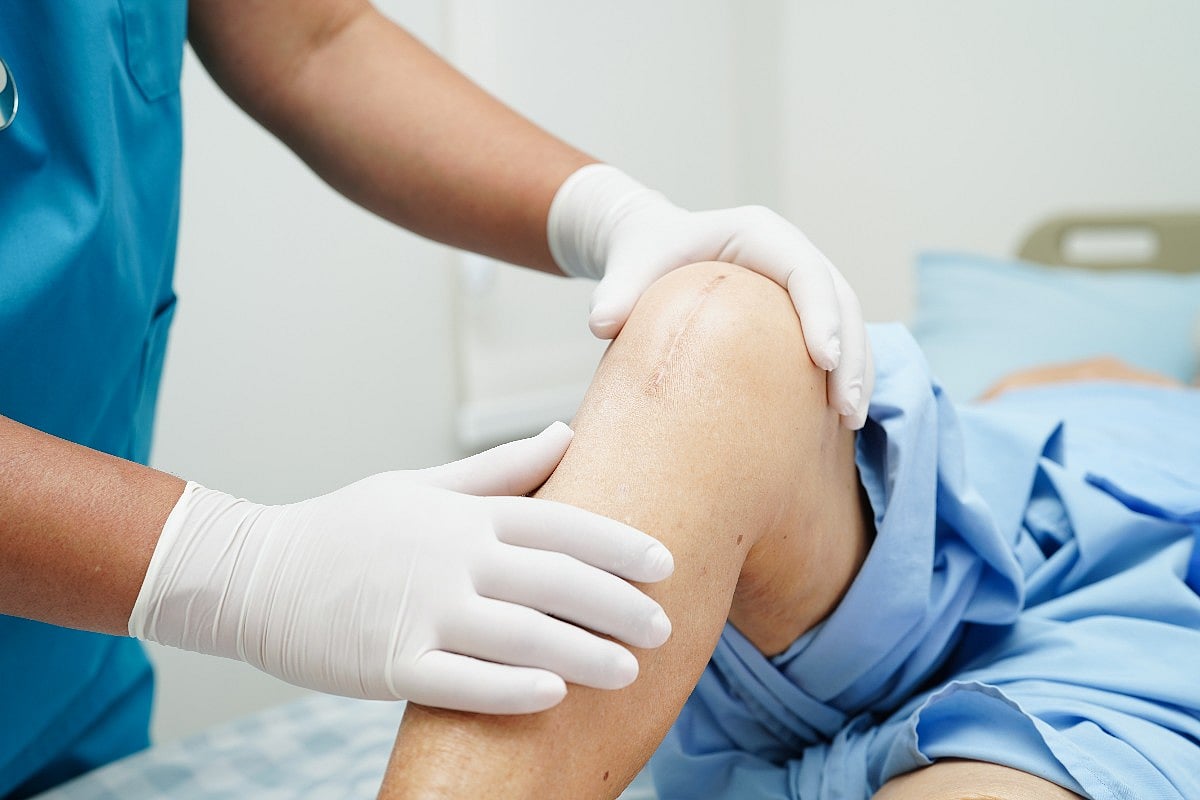 Long-Term Outcomes Favor Patellar Resurfacing During Total Knee Replacement




.jpg)