


Heaviest burden born by regions with high sociodemographic index, apart from Japan, which had declining trends
MONDAY, June 16, 2025 (HealthDay News) — The incidence rate of rheumatoid arthritis (RA) increased globally from 1990 to 2021, with the heaviest burden born by regions with a high sociodemographic index (SDI), according to a study published online June 16 in the Annals of the Rheumatic Diseases.
Wenyi Jin, M.D., from the Renmin Hospital of Wuhan University in China, and colleagues examined the burden of RA across 953 locations worldwide to assess socioeconomic-driven distributions and inequalities in burden. To forecast long-term burdens with scenario simulations, a deep-learning pipeline was developed.
The researchers found that RA affected 17.9 million people globally in 2021, with an increase of 13.2 percent in the incidence rate from 1990 to 2021, trending younger and broader. From 1980 to 2021, there was a 32.7 percent decrease in the age-standardized death rate, while from 1990 to 2021, global disability-adjusted life years (DALYs) nearly doubled. The heaviest burden was born by regions with a high SDI; from 1990 to 2021, regional inequalities aggregated. Declining trends were uniquely seen in Japan (1990 to 2021), exemplified by a 22.4 percent decrease in Tokyo”s age-standardized DALY rate since 1990, unlike that in other high SDI regions. Among male patients in high-smoking regions like China, implementing smoking control policies is forecasted to reduce RA-related deaths by 16.8 percent and DALYs by 20.6 percent.
“Japan”s sustained decline in DALYs despite a high SDI proves that socioeconomic status alone doesn”t dictate outcomes; proactive health care policies such as early diagnosis programs can reverse trends,” co-lead author Baozhen Huang, Ph.D., from the City University of Hong Kong, said in a statement.
 Holding DMARDs at Time of COVID-19 Vaccine Not Warranted in Those With Inflammatory Arthritis
  Rheumatic Immune-Related AEs With Immune Checkpoint Inhibitors More Severe Than Previously Reported
 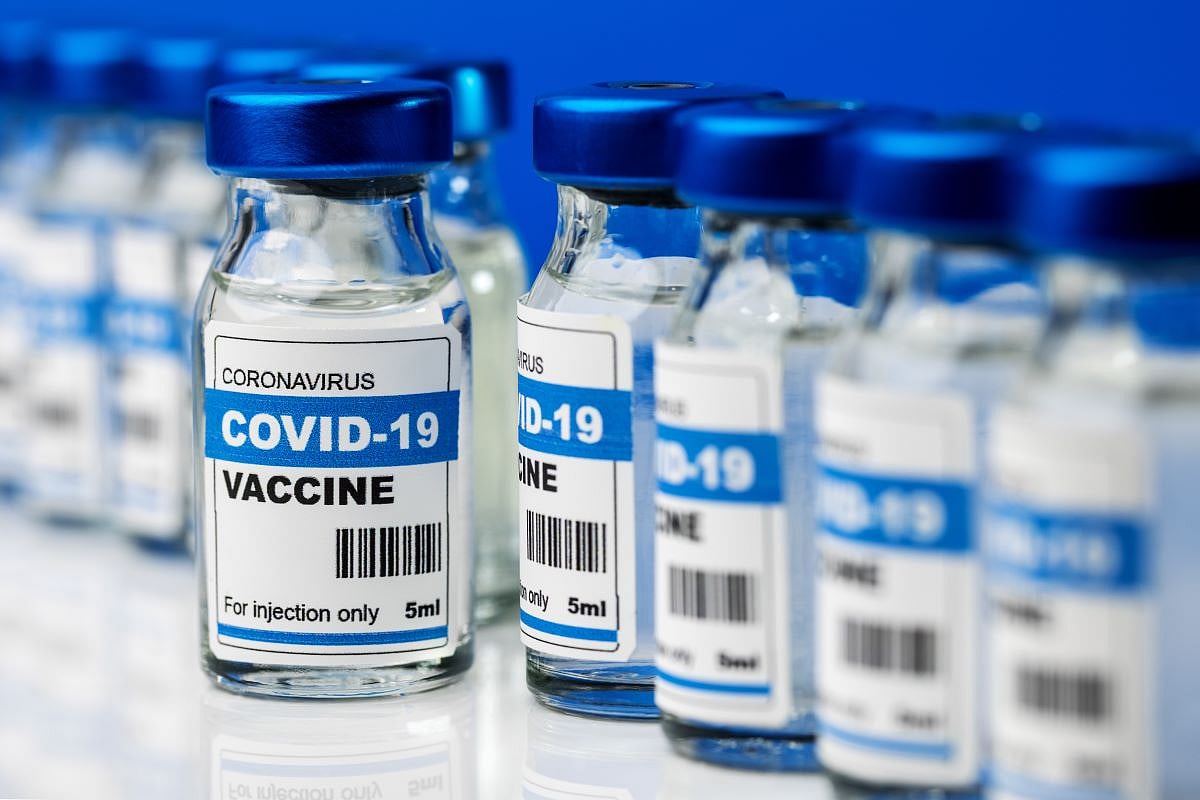 Updated COVID-19 Shot Beneficial for Those With Autoimmune Rheumatic Disease
 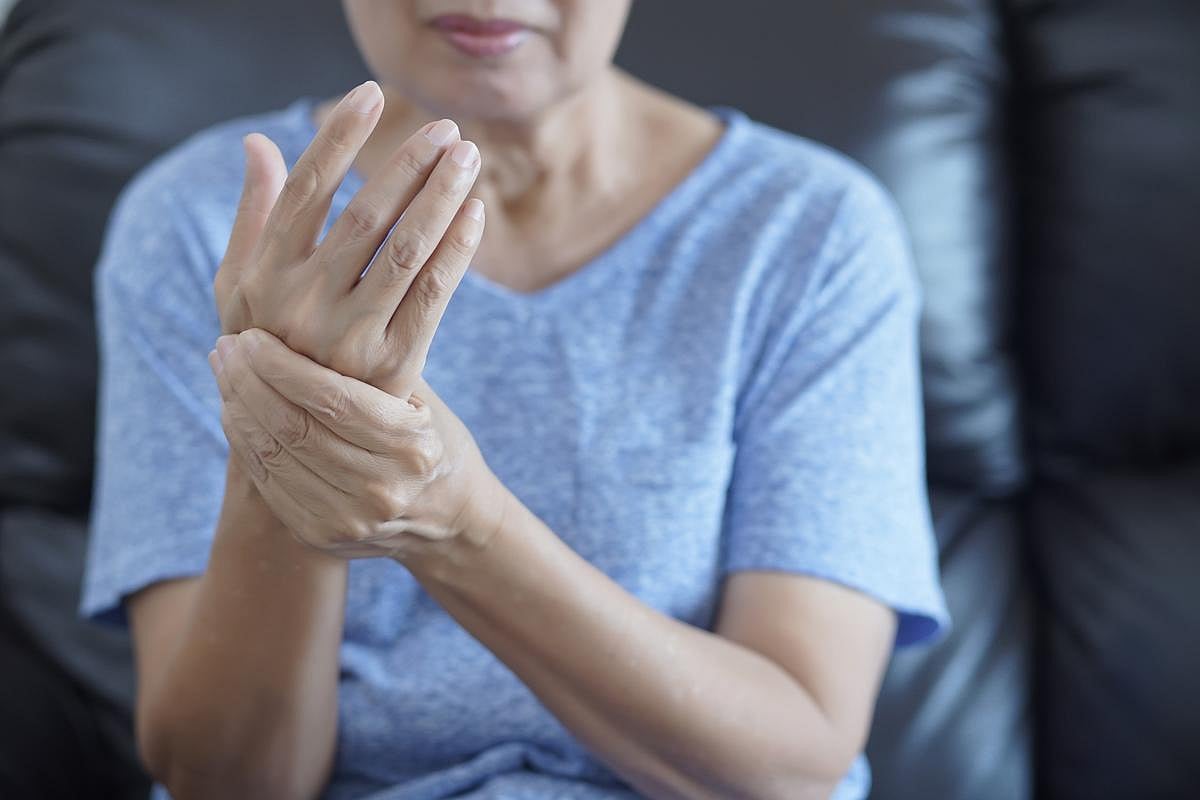 Distinct Characteristics ID"d for Patients With Rheumatoid Conditions, Opioid Use Disorder
  Withdrawal From Medetomidine Increasingly Seen in ICUs
 .jpg) Considerable Gaps Reported in Care for Youth With Opioid Use Disorder
Considerable Gaps Reported in Care for Youth With Opioid Use Disorder  1 in 3 With Lupus Take Supplements, Medications With Potential for Interactions
  Low Hydroxychloroquine Intake, Blood Levels Linked to ASCVD Risk in Lupus




