


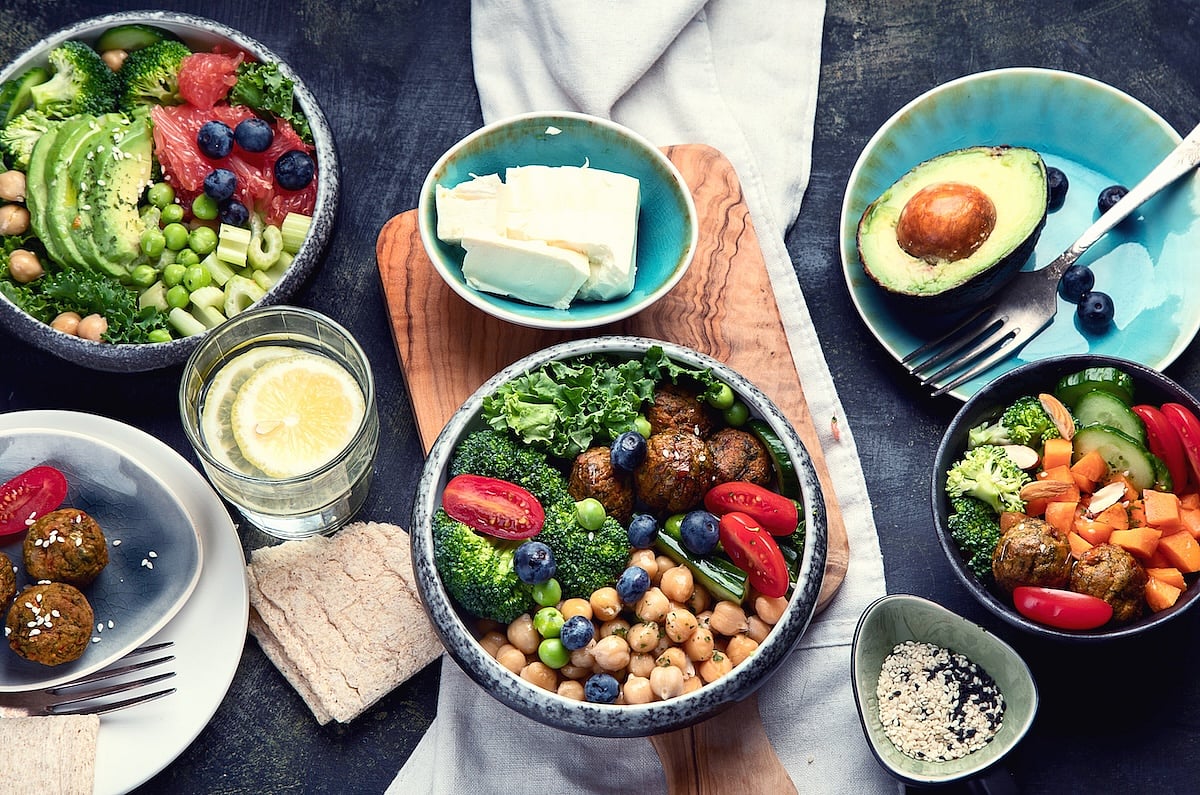
In the United States, healthy habits established early in life are not maintained throughout childhood and adolescence
MONDAY, July 20, 2026 (HealthDay News) — Globally, youth are not consuming enough healthy, plant-based foods, according to a study published online July 8 in BMJ Global Health.
Sydney Yearley, from Tufts University in Boston, and colleagues used the Global Dietary Database (1,248 dietary surveys from 185 countries) to assess energy-adjusted consumption of fruits, nonstarchy vegetables, starchy vegetables, beans/legumes, and nuts/seeds among youth by age (0 to 19 years) globally in 2018.
The researchers found that plant-based food intake was low, from 1.19 servings/day in children aged younger than 1 year to 3.55 servings/day in those aged 15 to 19 years. The lowest intake across all ages was seen in South Asia, while East/Southeast Asia had the highest intakes for several ages, driven by nonstarchy vegetables. In all regions, intake increased with age, except in high-income countries, where children younger than 1 year consumed the most (3.77 servings/day), mainly from fruit (2.43). Females consumed more fruit and nonstarchy vegetables across most regions. Urban youth consumed more fruit and nuts/seeds. Youth from higher educated households had higher intakes of all plant-based foods except beans/legumes. In the United States, youth consumed among the highest amounts of healthy, plant-based foods during infancy, but among the lowest by later childhood and adolescence, with children younger than 2 years consuming 2.7 servings/day, but youth ages 2 to 19 years consuming 1.8 servings/day. Globally, youth in 2018 consumed more nonstarchy vegetables and nuts/seeds, fewer starchy vegetables, and higher total plant-based foods than they did in 1990.
“Dietary habits established during childhood can influence health throughout life, yet we found that consumption of healthy plant-based foods remains low among youth across the globe,” Yearley said in a statement. “These findings provide an important benchmark for tracking progress and identifying opportunities to improve access to nutritious foods for children and adolescents.”
One author disclosed financial ties to the biopharmaceutical industry.
.jpg) Considerable Gaps Reported in Care for Youth With Opioid Use Disorder
Considerable Gaps Reported in Care for Youth With Opioid Use Disorder  Nutritional Deficiencies Seen in Youth Taking GLP-1 Receptor Agonists
  Youth Suicide Risk Linked to Community Firearm Violence
  Trends Reported in Vaccination Coverage for Adolescents for 2025
  Nearly 3 in 4 Older Adults Express Interest in Vaccine to Prevent Dementia
  Updated COVID-19 Shot Beneficial for Those With Autoimmune Rheumatic Disease
  AAP Issues Recommendations for Pediatric RSV Vaccination in 2026-2027 Season
  Social Media Warnings Could Discourage Use Among Teens, Young Adults




.jpg)