



Use of inhaled, systemic glucocorticoids associated with changes in several brain imaging parameters; effect sizes larger in systemic users
WEDNESDAY, Sept. 7, 2022 (HealthDay News) — Use of systemic and inhaled glucocorticoids is associated with reduced white matter integrity and some changes to gray matter volume (GMV), according to a study published online Aug. 30 in The BMJ.
Merel van der Meulen, Ph.D., from Leiden University Medical Center in the Netherlands, and colleagues examined whether systemic and inhaled glucocorticoid use is associated with changes in GMV and white matter microstructure among adults from the U.K. Biobank. Data were included for 222 systemic glucocorticoid users, 557 inhaled glucocorticoid users, and 24,106 controls with T1 and diffusion magnetic resonance imaging data. Differences in 22 volumetric and 14 diffusion imaging parameters were examined as the primary outcomes.
The researchers found that use of both systemic and inhaled glucocorticoids was associated with reduced white matter integrity compared with controls (lower fractional anisotropy and higher mean diffusivity), with larger effect sizes seen in systemic users. Larger caudate GMV was also seen with systemic use, while relative to controls, inhaled users had smaller amygdala GMV. In terms of secondary outcomes, compared with controls, systemic users performed worse on the symbol substitution task and reported more depressive symptoms, disinterest, tenseness/restlessness, and tiredness/lethargy (odds ratios, 1.76, 1.84, 1.78, and 1.90, respectively). Reports of more tiredness/lethargy were seen for inhaled users (odds ratio, 1.35).
“Since these medications are widely used, awareness of these associations is necessary across medical specialties, and research into alternative treatment options is warranted,” the authors write.
One author disclosed financial ties to the biopharmaceutical industry.
 Lower Vertebral Bone Mineral Density Linked to Cognitive Decline
  Mortality, Comorbidity Risk Increased With Generalized Pustular Psoriasis
  Estrogen Hormone Treatment May Be Beneficial for Brain Fog Symptoms in Menopausal Women
 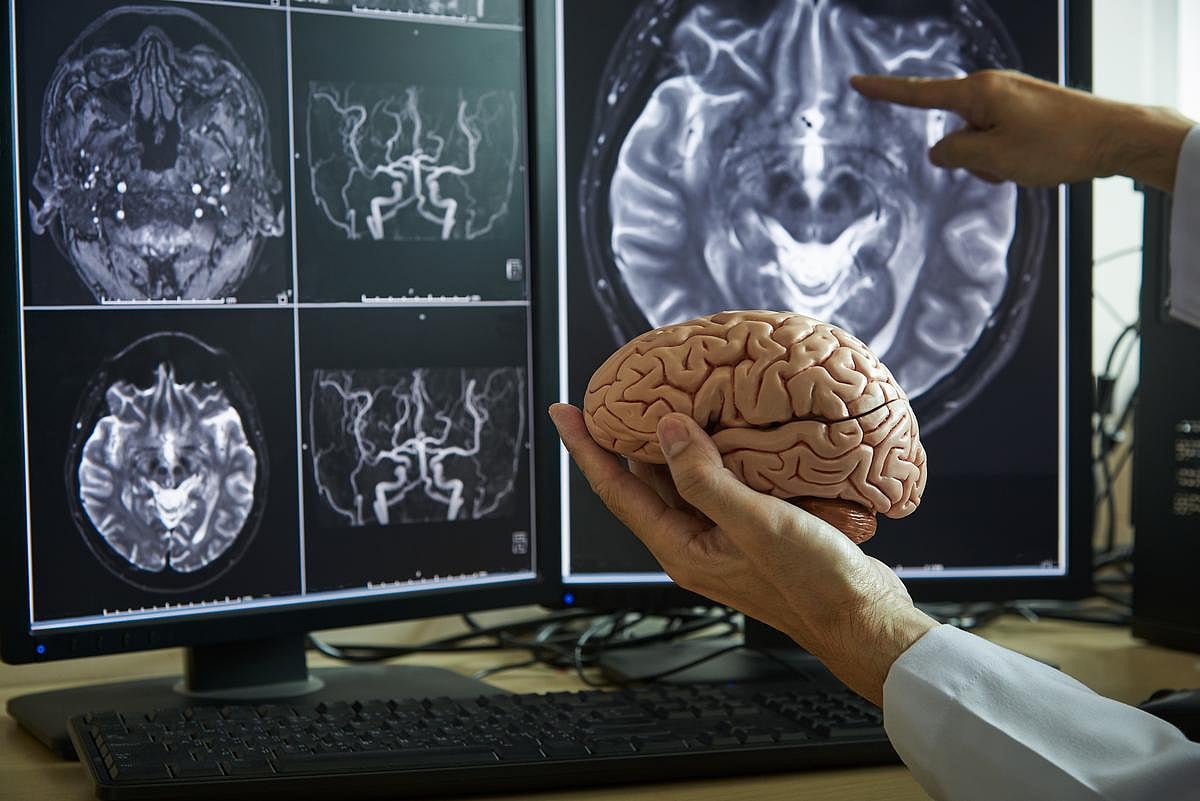 Brain Abnormalities Identified in Children at Risk for Schizophrenia
 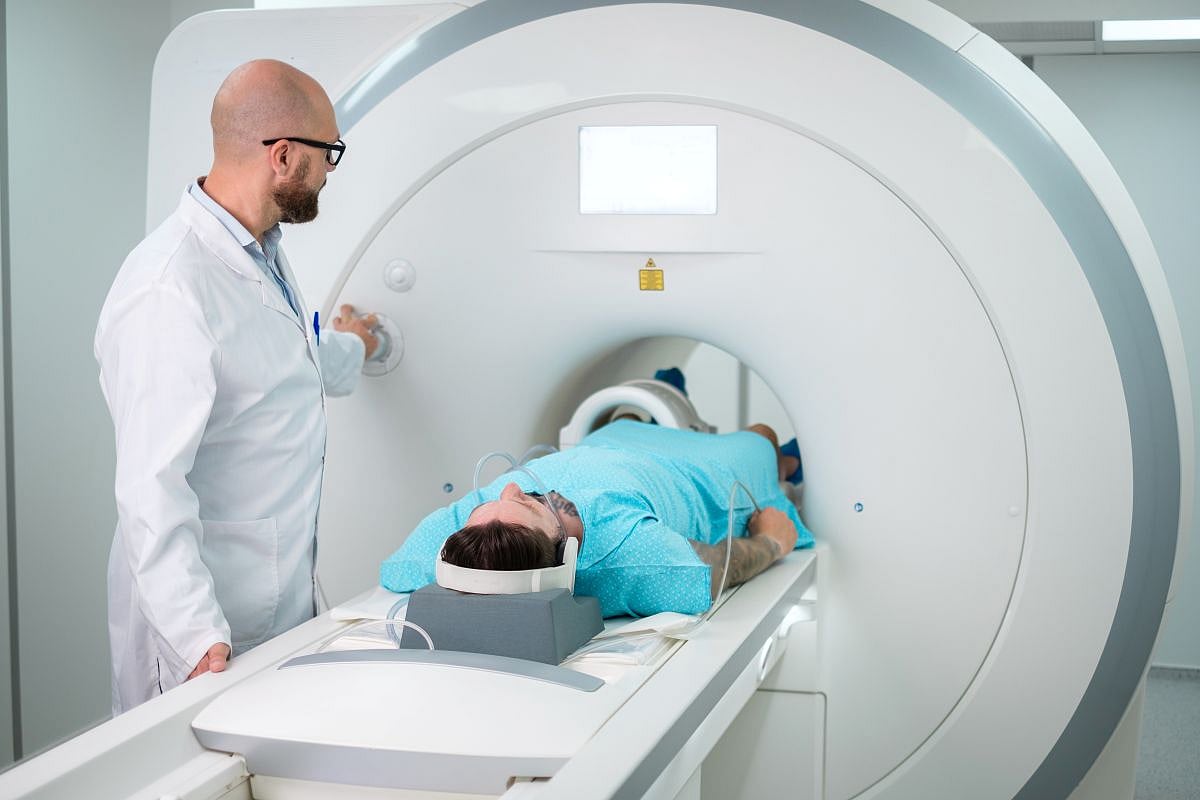 Pre-Prostate Biopsy MRI Use Increased From 2017 to 2026
  PET/MRI Offers Diagnostic, Prognostic Value in Pediatric Epilepsy
  Nighttime Light Exposure Linked to Sleep Parameters in Schizophrenia
  Psychiatrists Only Agree 55 Percent of the Time on Diagnoses


.jpg)

