


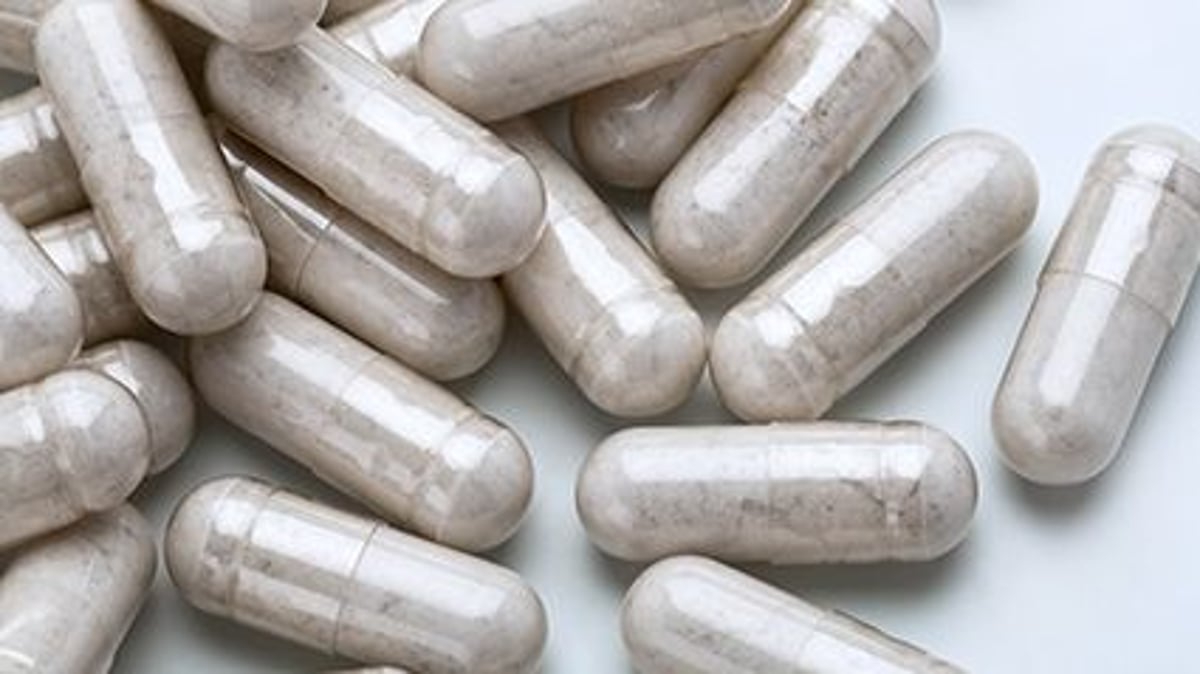
Regular use tied to a 65 percent reduced risk for cardiovascular death
THURSDAY, Dec. 10, 2020 (HealthDay News) — Regular intake of glucosamine/chondroitin is associated with lower all-cause and cardiovascular disease (CVD) mortality among U.S. adults, according to a study published in the November/December issue of the Journal of the American Board of Family Medicine.
Dana E. King, M.D., and Jun Xiang, from West Virginia University in Morgantown, used data from the U.S. National Health and Nutrition Examination Survey (1999 to 2010; 16,686 participants), merged with the 2015 Public-use Linked Mortality File, to investigate the association between regular consumption of glucosamine/chondroitin and overall and CVD mortality in U.S. adults.
The researchers found that 3.94 percent of participants reported taking glucosamine/chondroitin for a year or longer. During a median 107 months of follow-up, there were 3,366 total deaths, of which 20.02 percent were due to CVD. Risk for CVD mortality was lower among respondents taking glucosamine/chondroitin (hazard ratio [HR], 0.51). Glucosamine/chondroitin use was associated with a risk reduction in all-cause mortality (HR, 0.61) and CVD mortality (HR, 0.35) when controlling for age. The association remained significant when adjusting for age, sex, race, education, smoking status, and physical activity (all-cause mortality: HR, 0.73; CVD mortality: HR, 0.42).
“In my view, it’s important that people know about this, so they can discuss the findings with their doctor and make an informed choice,” King said in a statement. “Glucosamine is over the counter, so it is readily available.”
 Age-, Joint-Specific Ultrasound Reference Values Set for Healthy Joints
  1 in 3 With Lupus Take Supplements, Medications With Potential for Interactions
  Lower Vertebral Bone Mineral Density Linked to Cognitive Decline
  2009 to 2023 Saw Surge in Probiotic Supplement Use
  Eating More Ultraprocessed Foods Heightens Risk for Chronic Diseases
  Nutritional Deficiencies Seen in Youth Taking GLP-1 Receptor Agonists
  High-Dose Omega-3 Linked to A-Fib Risk in Patients With High CVD Risk
  Docosahexaenoic Acid Supplement Does Not Improve Cognitive Performance




.jpg)