


Decrease in alcohol consumption, easier diabetes control perception were factors associated with better glycemic control
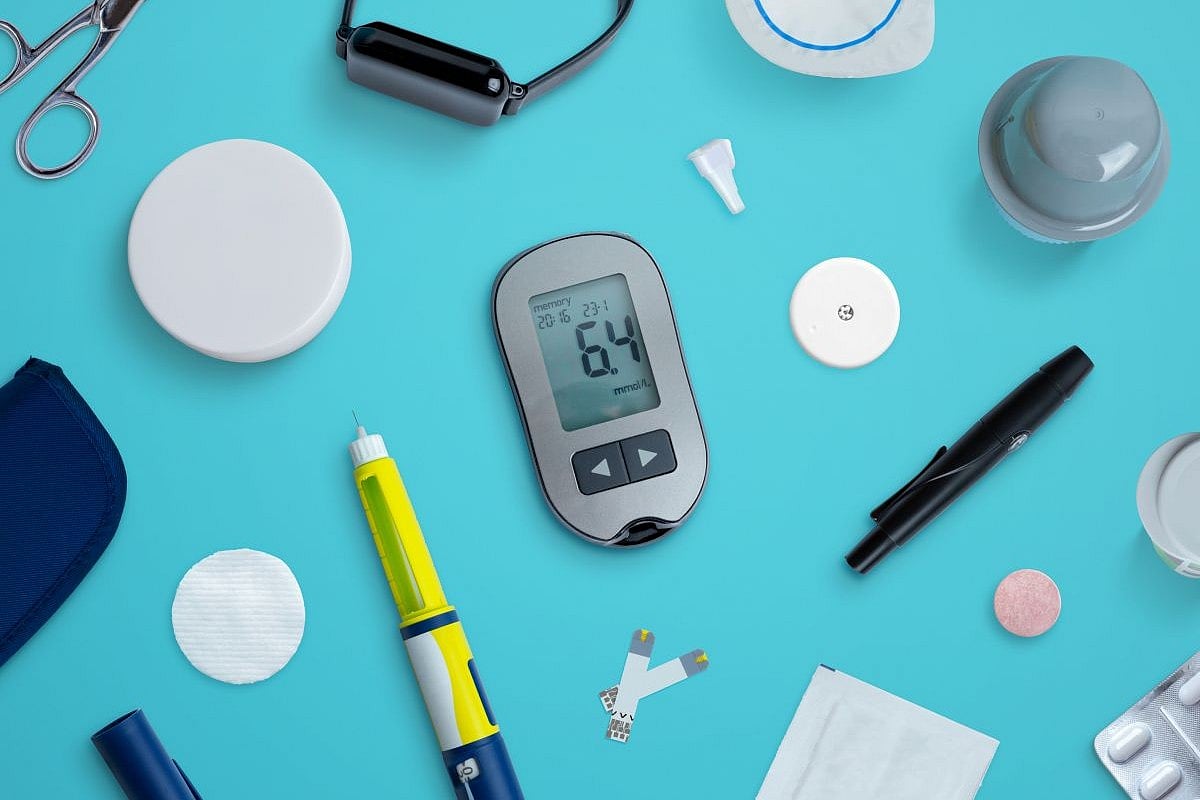
WEDNESDAY, Dec. 30, 2020 (HealthDay News) — On average, glycemic control improved during lockdown among people living with type 1 diabetes, according to a study published online Dec. 23 in Diabetes Care.
Louis Potier, M.D., from Bichat Hospital in Paris, and colleagues conducted an observational assessment from a self-reported questionnaire on behavioral changes and glycemic information from flash glucose monitoring (FGM) during lockdown in 1,378 individuals living with type 1 diabetes. Change in the mean glucose level two months before and one month after the lockdown was the main outcome.
The researchers observed improvement in mean glucose from 9.1 ± 1.7 mmol/L to 8.7 ± 1.7 mmol/L. Decreased alcohol consumption, an increase in the frequency of FGM scans and in the number of hypoglycemic events, and an easier diabetes control perception were factors associated with better glycemic control (odds ratios, 1.75, 1.48, 1.67, and 1.71, respectively).
“Our study suggests that while the lockdown was a source of anxiety for many people with type 1 diabetes, it was also an opportunity to make positive behavioral changes,” the authors write. “Their persistence after easing of lockdown should be studied.”
Several authors disclosed financial ties to the biopharmaceutical and medical device industries.
Abstract/Full Text (subscription or payment may be required)
.jpg) Time-Restricted Eating May Help Patients With Type 1 Diabetes
Time-Restricted Eating May Help Patients With Type 1 Diabetes  Maternal Diabetes Linked to Increased Risk for Epilepsy in Offspring
  Preexisting Medical Conditions Linked to Range of Botox Injection Complications
  Diabetes Linked to Increased Risk for Sudden Cardiac Death
  GLP-1 Receptor Agonists, SGLT-2is Slow Renal Function Decline in T2D With Albuminuria
  9 of 10 Leading Causes of Death Unchanged From 2023 to 2024
  Spinal Cord Stimulation Cuts Pain, Improves Sensation With Diabetic Nerve Damage
  Study IDs Risk Factors for Ketoacidosis in Adults With T2D Receiving SGLT2 Inhibitors
.jpg)
.jpg)
