Mass spectrometry testing should be considered for specific patients or when results could affect downstream care
FRIDAY, Jan. 9, 2026 (HealthDay News) — In a guidance document issued by the Association for Diagnostics & Laboratory Medicine, updated recommendations are presented relating to laboratory testing for drugs of misuse in the emergency department (ED).
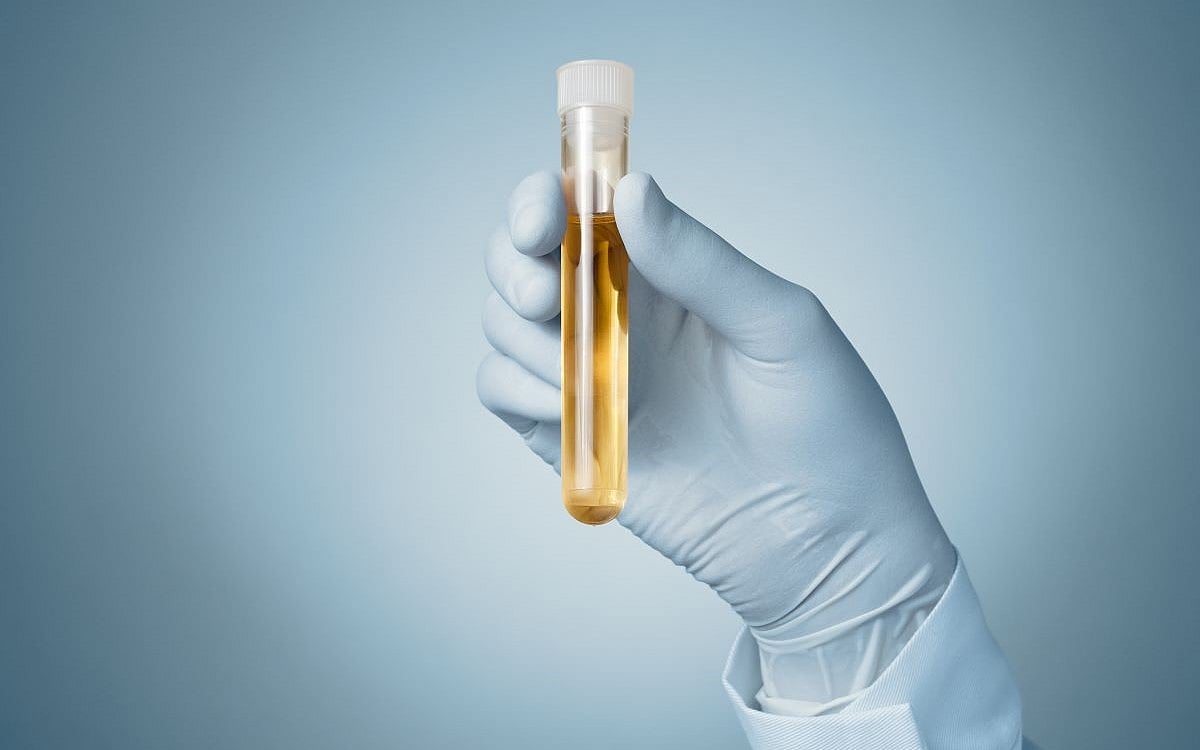
Christine L.H. Snozek, Ph.D., from the Mayo Clinic Arizona in Phoenix, and colleagues developed guidance on laboratory testing for drugs of misuse to support the ED. The guidance provides recommendations primarily targeted to U.S. hospital-based laboratories performing urine drug testing.
The authors note that to ensure that objective protocols and/or clear clinical rationale are in place for ordering drug testing in pediatric and adult patients, ED and laboratory staff should collaborate, considering that drug test results infrequently affect acute patient management in the ED. The ED and other specialty providers should be educated by laboratories regarding the limitations of urine drug testing, particularly with respect to false positives, false negatives, and the possibility that the presence of a drug may indicate past exposure. Drug test panels and protocols should be reviewed periodically and updated to reflect patterns of local drug use. Laboratories should provide test results to the ED within a mutually agreed-upon window, generally <60 minutes. Laboratories should assess which drug testing methods are best for supporting pediatric care. Mass spectrometry testing has superior sensitivity and specificity over immunoassays and should be considered for specific patients, including children or when results could facilitate downstream patient care.
“Drug testing within the ED provides minimal benefit for many patients, but can be valuable in pediatrics or specific scenarios with long-term clinical implications,” the authors write.
One author has provided expert testimony for law firms; two authors disclosed ties to the publishing and biopharmaceutical industries.
 Machine Learning Model IDs Heart Failure With Reduced Ejection Fraction Using Routine Lab Indicators
  Addition of CAC to PREVENT-ASCVD Equations May Improve Predictive Utility in Certain Patients
  Emergency Diagnosis Linked to Worse Outcomes for Range of Conditions
  Small Change in Hours Benefits Emergency Physicians Working Night Shifts
  ED Boarding Time Varies Considerably Across Hospitals
 .jpg) Warning Symptoms, Clinical History Can Predict Sudden Cardiac Arrest
Warning Symptoms, Clinical History Can Predict Sudden Cardiac Arrest  Protocol IDs Patients Who Can Be Treated While Seated in the ED
  Female Emergency Medicine Physicians Order More Tests, Admit More Patients