


EBRT strongly recommended as potential first-line therapy for patients with HCC confined to liver who are not candidates for curative therapy
TUESDAY, Jan. 18, 2022 (HealthDay News) — In a clinical practice guideline issued by the American Society for Radiation Oncology and published in the January issue of Practical Radiation Oncology, recommendations are presented for the use of external beam radiation therapy (EBRT) for hepatocellular carcinoma (HCC) and intrahepatic cholangiocarcinoma (IHC).
Smith Apisarnthanarax, M.D., from the University of Washington in Seattle, and colleagues developed a guideline to address five key questions focused on the indications, techniques, and outcomes of EBRT in HCC and IHC.
The researchers strongly recommend EBRT as a potential first-line treatment for patients with HCC confined to the liver who are not candidates for curative therapy; as consolidative therapy after incomplete response following liver-directed therapies; and as a salvage option for local recurrence. For patients with liver-confined multifocal or unresectable HCC or those with macrovascular invasion, EBRT is conditionally recommended, sequenced with systemic or catheter-based therapies. For symptomatic primary HCC and/or macrovascular tumor thrombi, palliative EBRT is conditionally recommended. In carefully selected patients, EBRT is conditionally recommended as a bridge to transplant or before surgery. Consolidative EBRT with or without chemotherapy should be considered for patients with unresectable IHC. For resected IHC with high-risk features, adjuvant EBRT is conditionally recommended.
“We feel that this guideline is an important milestone in the management of primary liver cancers, as we hope to provide practitioners and the public with a systematic and evidence-based foundation of where EBRT might fit into the overall complex picture of treating these challenging cases,” Apisarnthanarax said in a statement.
Several authors disclosed financial ties to industry.
 Steatotic Liver Disease Risk Scores Compared for Predicting Cirrhosis
  ASTRO Issues Guidance for Use of Radiation Therapy in Bladder Cancer
  Alcohol-Attributable Cancer Mortality Has Increased Significantly in the U.S.
 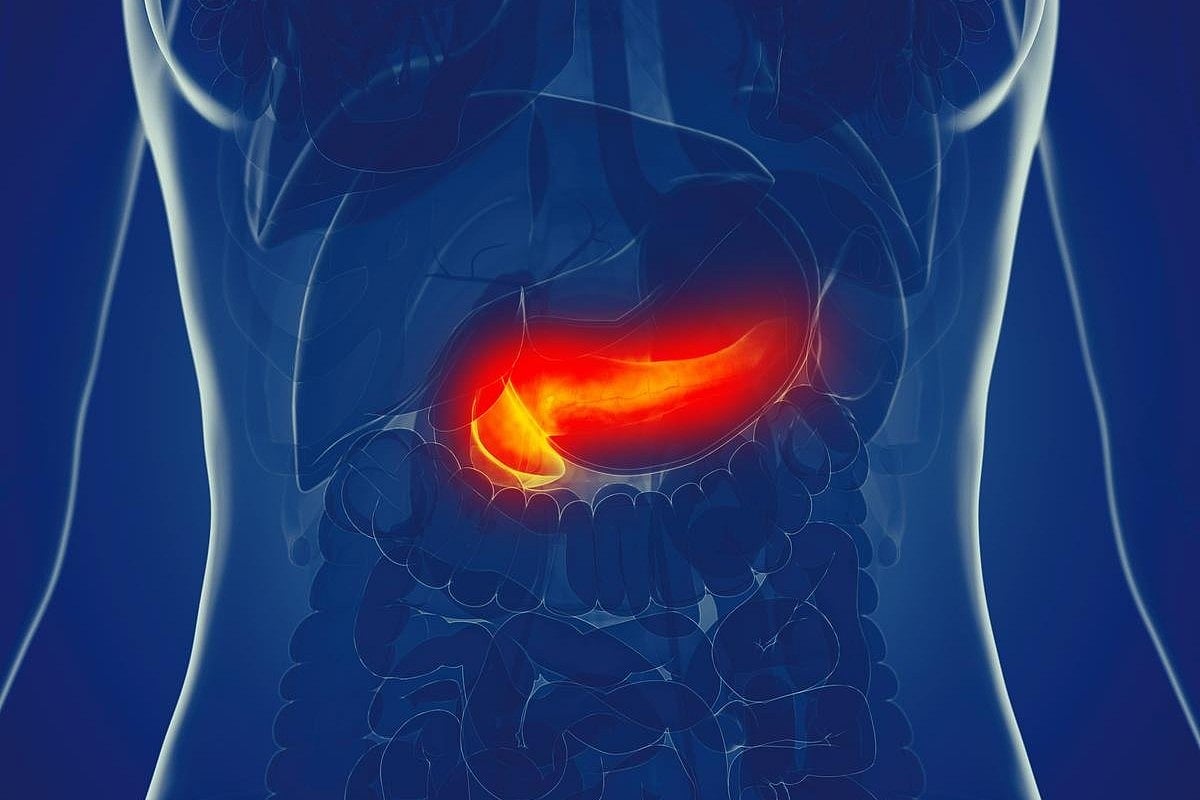 Recommendations Updated for Radiation Therapy in Pancreatic Cancer
 .jpg) Composite Biomarker Helps ID Early-Stage Pancreatic Ductal Adenocarcinoma
Composite Biomarker Helps ID Early-Stage Pancreatic Ductal Adenocarcinoma  Thymic Radiation Linked to Worse Outcomes in Patients With NSCLC
  Aircrew Face Higher Odds of Radiation-Related Cancer Deaths
  65.8 Percent of U.S. Counties Lack Radiation Oncology Practice Site




.jpg)