


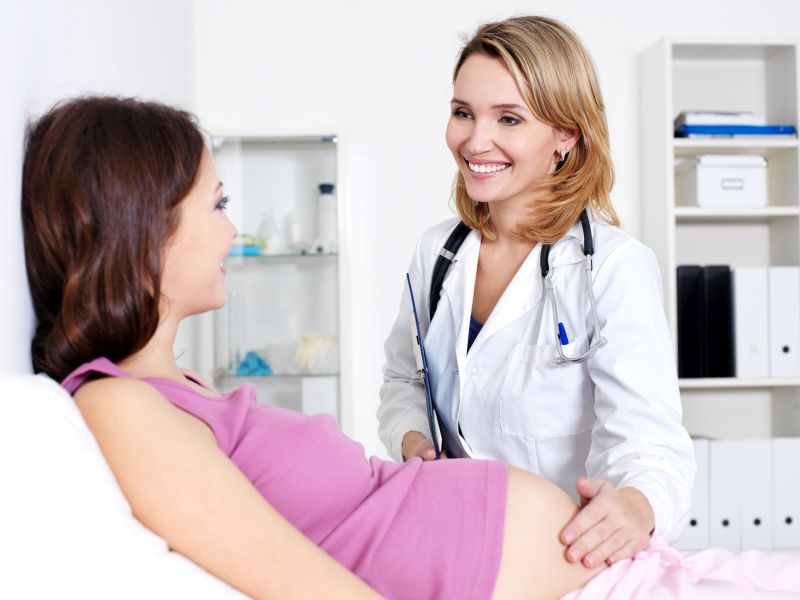
 Study finds that infants born to women who received vaccine had no overall higher odds
TUESDAY, Sept. 20, 2016 (HealthDay News) — The vaccine against the H1N1 strain of influenza doesn’t appear to be linked to congenital malformations, according to research published online Sept. 20 in the Annals of Internal Medicine.
Jonas Ludvigsson, M.D., Ph.D., of the Karolinska Institute in Stockholm, and colleagues looked at the risk of congenital malformations — overall and in terms of congenital heart disease, cleft palate, and limb abnormalities — in 40,983 children of mothers who were exposed to the H1N1 vaccine Pandemrix. The researchers compared these children to their siblings as well as to the general population.
The researchers found no sign that maternal vaccination increased the overall risk of congenital malformations in infants. The adjusted risk for congenital malformation was 4.98 and 4.96 percent in exposed and unexposed offspring, respectively (risk difference, 0.02 percent). The corresponding risk differences were 0.16 percent for vaccination during the first trimester and 0.10 percent for vaccination in the first eight weeks.
“When intrafamilial factors were taken into consideration, H1N1 vaccination during pregnancy did not seem to be linked to overall congenital malformation in offspring, although risk increases for specific malformations could not be ruled out completely,” the authors write.
 Low Levels of Placental Growth Factor in Pregnancy Linked to Subsequent ADHD in Offspring
  Recommendations Issued for Use of Incretin-Based Meds in Pregnancy
  IBD Not Linked to Risk for Hypertensive Disorders of Pregnancy Overall
  Maternal Vitamin D Status Linked to Preterm Delivery
 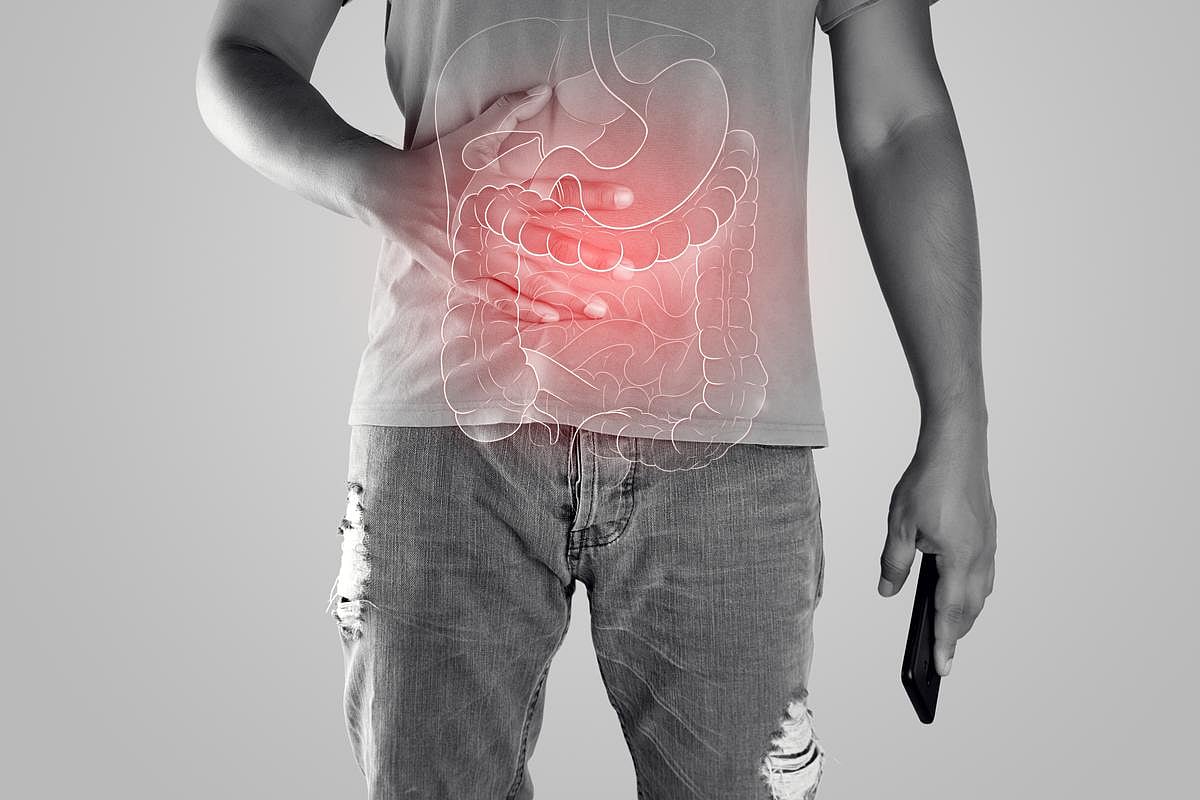 Serum 25(OH)D May Serve as Biomarker of Disease Activity in IBD
  Nutritional Deficiencies Seen in Youth Taking GLP-1 Receptor Agonists
  Mom"s Poor Sleep in Late Pregnancy Linked to Offspring"s Obesity Risk in Early Childhood



.jpg)
