Antiemetic use and outcomes vary widely for this group of patients
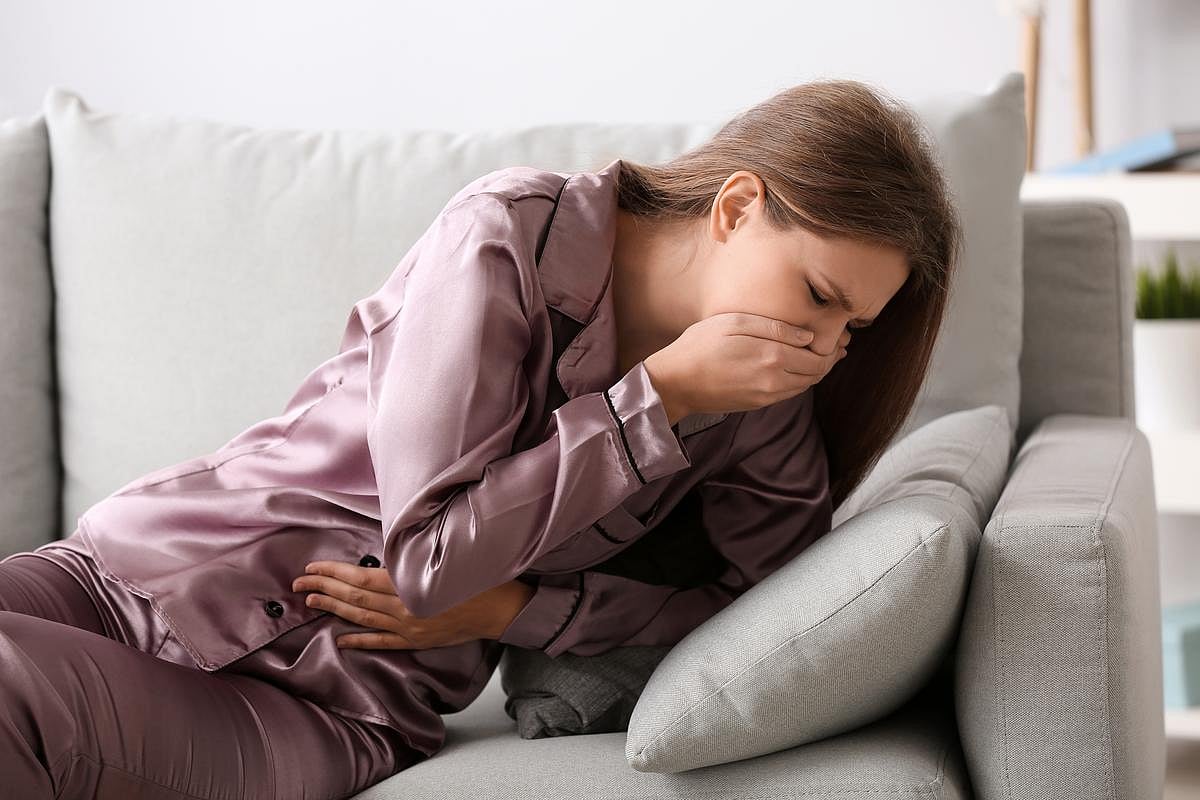
TUESDAY, Sept. 9, 2025 (HealthDay News) — Among women with severe nausea and vomiting of pregnancy (NVP) or hyperemesis gravidarum (HG), the condition can have major impacts on social life, work, and sleep, according to a study published online Sept. 3 in PLOS ONE.
Loyola Wills, from Flinders University in Australia, and colleagues conducted an online survey of 289 women who were currently or had previously experienced severe NVP or HG.
The researchers found that more than half of respondents reported “major impacts” of the condition on areas such as social life, ability to undertake daily chores, ability to eat or drink, effects on work, taking care of pre-existing children, and sleep. Nearly two-thirds of respondents (62 percent) reported “often” or “always” experiencing feelings of depression or anxiety due to HG symptoms, with 90 percent considering having no more children. Commonly used antiemetics included ondansetron (91 percent), pyridoxine (62 percent), doxylamine (62 percent), and metoclopramide (61 percent). Although more than 50 percent of respondents rated corticosteroids, ondansetron, and doxylamine as being “effective” or “very effective,” less than 10 percent reported pyridoxine or ginger as being “effective” or “very effective.” Among ondansetron users, nearly all (95 percent) commenced it within the first trimester, with 55 percent reporting use as a first-line therapy. One or more side effects to anti-emetics were reported by most women, including headache, constipation, sedation, or impaired cognition. One in three (31 percent) stopped metoclopramide because of side effects compared with 14 percent for ondansetron and 10 percent for doxylamine. Half of women reported use of acid suppressive therapy and 51 percent reported using complementary or alternative therapies.
“Hyperemesis gravidarum is not just morning sickness — it’s a serious condition that can have devastating consequences for women’s mental health, relationships, and decisions about future pregnancies,” lead author Luke Grzeskowiak, also from Flinders University, said in a statement. “Our study shows that many women are not getting the support or relief they need, and that’s something we must urgently address.”
 Paternal Exposure to Valproate Not Linked to Offspring Neurodevelopmental Disorders
  Chemo-Free Combo of Four Targeted Therapies Shows Promise in Metastatic Breast Cancer
  Drug Retention in Spondyloarthritis Varies With Socioeconomic Status
  December 2024 to 2025 Saw Significant Increase in Leucovorin Dispensing
  Real-World ARIA Incidence With Lecanemab Aligns With Clinical Trial Findings
  Dexrazoxane Offers Lasting Doxorubicin Cardioprotective Effect in Childhood Cancer Survivors
  Many With Atypical Alzheimer Disease Do Not Qualify for Anti-Amyloid Therapy
  Study IDs Neurobiological Roots of Sensory Over-Responsivity