No improvement seen in number of days alive and out of the hospital at 90 days for haloperidol versus placebo
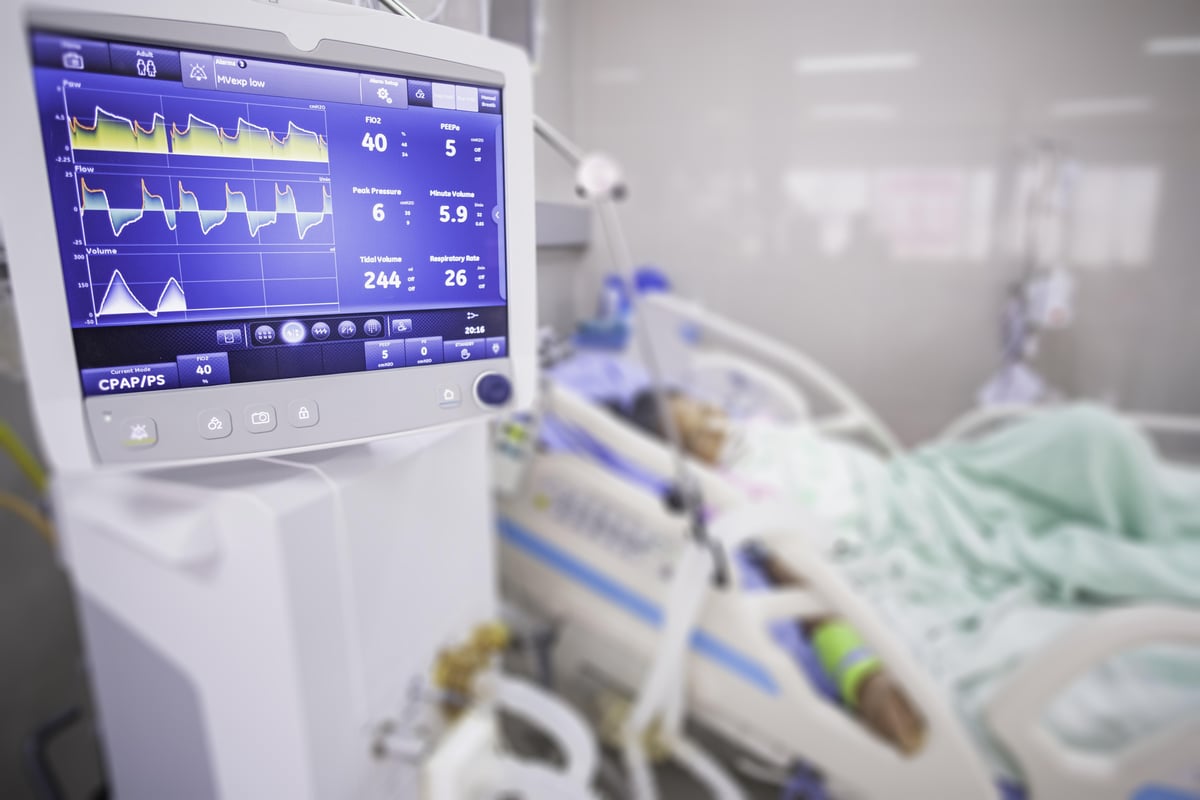
FRIDAY, Oct. 28, 2022 (HealthDay News) — Treatment with haloperidol does not yield a greater number of days alive and out of the hospital at 90 days than placebo among patients with delirium admitted to the intensive care unit, according to a study published online Oct. 26 in the New England Journal of Medicine to coincide with LIVES 2022, the annual congress of the European Society of Intensive Care Medicine, held from Oct. 22 to 26 in Paris.
Nina C. Andersen-Ranberg, M.D, from Zealand University Hospital in Køge, Denmark, and colleagues randomly assigned 1,000 adult patients with delirium who had been admitted to the intensive care unit for an acute condition to receive haloperidol or placebo (510 and 490, respectively). Of these patients, 501 and 486, respectively, were included in the final analyses.
The researchers found that the mean number of days alive and out of the hospital at 90 days was 35.8 and 32.9 in the haloperidol and placebo groups, respectively (adjusted mean difference, 2.9 days; 95 percent confidence interval, −1.2 to 7.0; P = 0.22). Ninety-day mortality was 36.3 and 43.3 percent in the haloperidol and placebo groups, respectively (adjusted absolute difference, −6.9 percentage points; 95 percent confidence interval, −13.0 to −0.6). Serious adverse reactions occurred in 11 and nine patients in the haloperidol and placebo groups, respectively.
“The use of haloperidol did not lead to a significantly greater number of days alive and out of the hospital at 90 days than placebo,” the authors write.
Abstract/Full Text (subscription or payment may be required)
 Withdrawal From Medetomidine Increasingly Seen in ICUs
  Holding DMARDs at Time of COVID-19 Vaccine Not Warranted in Those With Inflammatory Arthritis
  1 in 3 With Lupus Take Supplements, Medications With Potential for Interactions
  2013 to 2024 Saw Decrease in Benzodiazepine Prescribing
  Ultrasound-Guided Hydrodissection Yields Improvements in Carpal Tunnel
  Physical Therapist-Supervised Exercise Improves Outcomes After ACL Reconstruction
  GLP-1 Receptor Agonists, SGLT-2is Slow Renal Function Decline in T2D With Albuminuria
  Polypharmacy of Prescription Medications Increased for U.S. Older Adults