


 Handgrip measures + conventional risk factors improve risk assessment, especially in women
TUESDAY, Sept. 15, 2020 (HealthDay News) — Handgrip strength (HGS) is independently associated with the risk for type 2 diabetes, according to a study published online Sept. 3 in the Annals of Medicine.
Setor K. Kunutsor, M.B.Ch.B., Ph.D., from the University of Bristol in the United Kingdom, and colleagues assessed HGS among 776 older individuals (aged 60 to 72 years) without a history of diabetes who were followed for a median of 18.1 years.
The researchers found that when adjusting for conventional risk factors, the hazard ratio for type 2 diabetes was 0.49 per one standard deviation higher normalized HGS. When adjusting for risk factors in the Data from the Epidemiological Study on the Insulin Resistance Syndrome and Cooperative Health Research in the Region of Augsburg prediction models, the hazard ratios were 0.54 and 0.53, respectively. However, the addition of normalized HGS to these risk scores was associated with improved risk prediction as measured by differences in −2 log likelihood, net reclassification improvement, and integrated discrimination index. In a sensitivity analysis, overall results were driven by risk prediction findings in women.
“Assessment of HGS is simple and inexpensive and could prove a valuable clinical tool in the early identification of people at high risk of future type 2 diabetes,” the authors write.
.jpg) Pregnancy Complications Linked to Subsequent Risk for Cardiometabolic-Renal Conditions
 GLP-1 Receptor Agonists, SGLT-2is Slow Renal Function Decline in T2D With Albuminuria
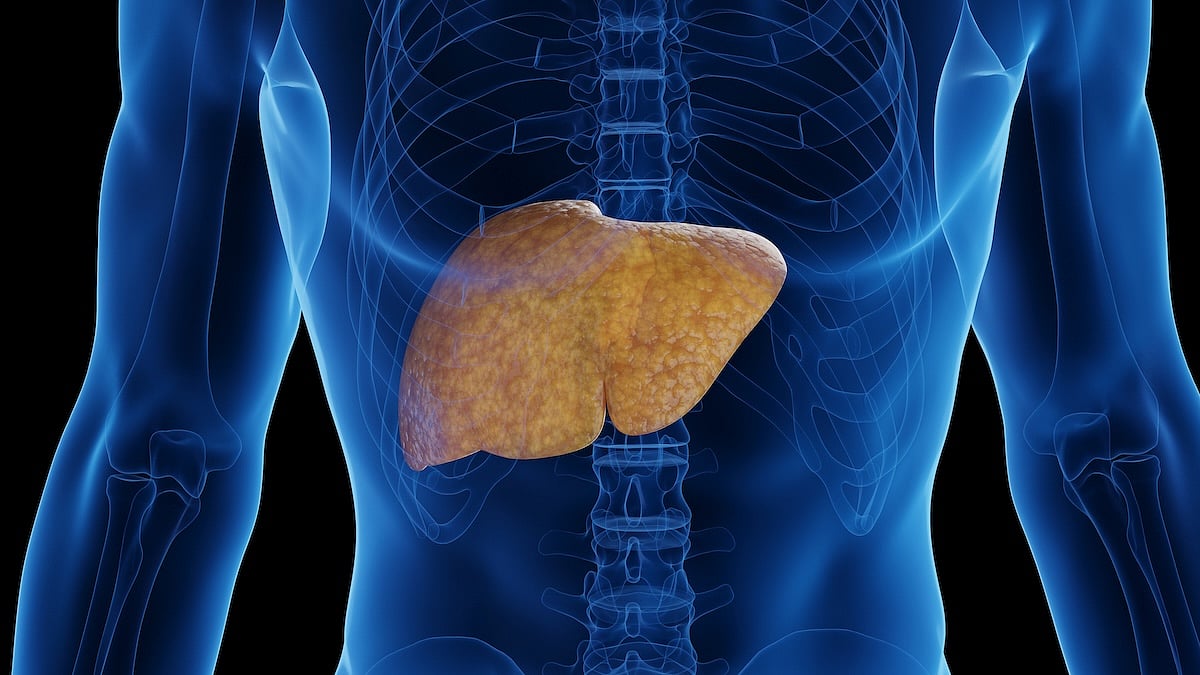 Genetics, Diabetes Tied to MASLD-Associated Cirrhosis Before Age 50
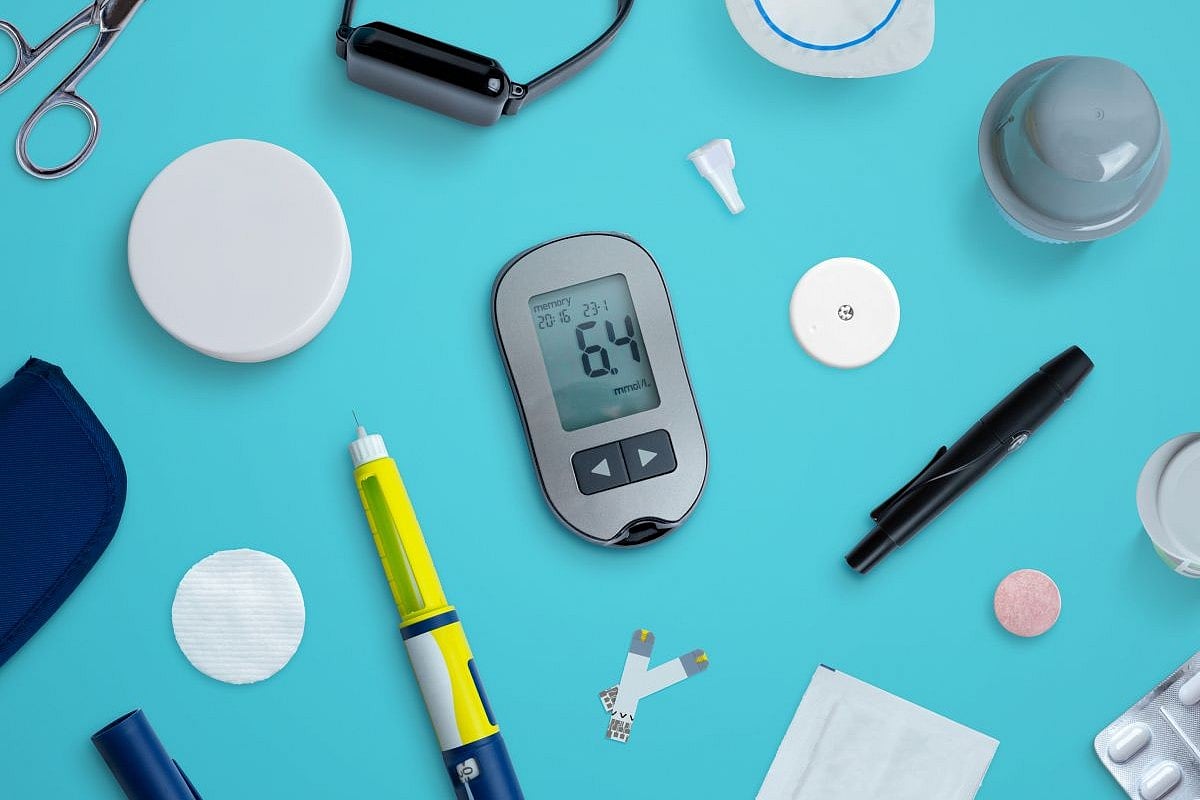 Study IDs Risk Factors for Ketoacidosis in Adults With T2D Receiving SGLT2 Inhibitors
.jpg) Most Specialty Oral Anticancer Meds for Blood Cancers Are Initially Rejected by Insurers
 Drug Interactions Reducing Contraceptive Effectiveness Common in Epilepsy
 Holding DMARDs at Time of COVID-19 Vaccine Not Warranted in Those With Inflammatory Arthritis
 1 in 3 With Lupus Take Supplements, Medications With Potential for Interactions



