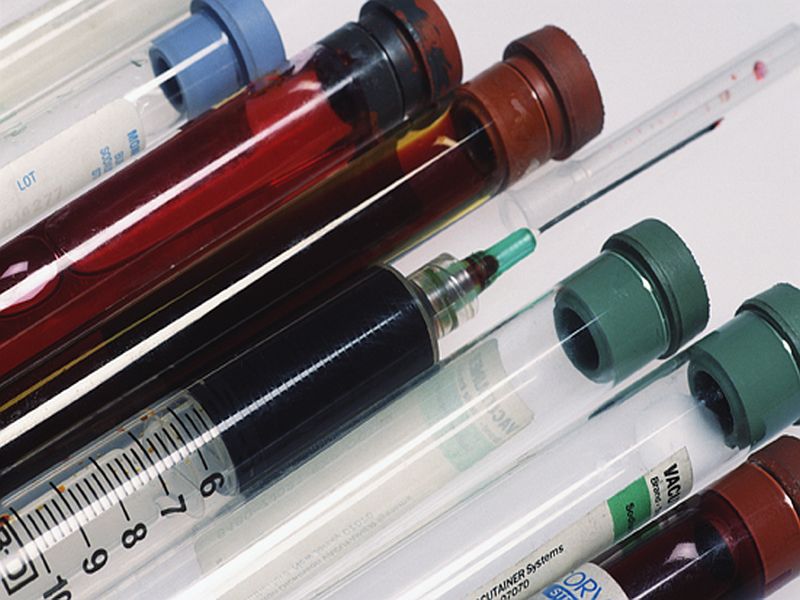
 Case report describes 23-year-old woman with no cause of anemia other than head lice infestation
TUESDAY, Nov. 17, 2015 (HealthDay News) — Head lice infestation could cause iron deficiency anemia in the absence of any other cause, according to a case report published online Nov. 5 in BMJ Case Reports.
Noting that the concurrent presence of lice infestation and iron deficiency anemia has been reported in children and adults, Sarah Ali Althomali, from the King Abdulaziz Specialist Hospital in Taif, Saudi Arabia, and colleagues document a case of a young woman with severe iron deficiency anemia with no known cause. The 23-year-old patient presented to the emergency department with chest discomfort on exertion, palpitation, light-headedness, and generalized fatigability. She had a medical history of depression, which began four years earlier with loss of her mother. For the previous six months she had had secondary amenorrhea. The patient appeared depressed, fatigued, and uninterested in conversation. Her head was covered in lice and lice nits, and scratch marks were seen on her scalp.
The researchers reported that the patient was treated for head lice and given intravenous iron therapy for the anemia. Improvement was seen in her symptoms after ensuring good body hygiene and psychological therapy. The patient was lost to follow-up.
“We conclude that chronic and heavy lice infestation could be the cause of iron deficiency anemia in the absence of an obvious cause of iron deficiency anemia such as menstrual loss or chronic gastrointestinal bleeding,” the authors write.
 U.S. Study Confirms Link Between Hyperemesis Gravidarum, Adverse Pregnancy Outcomes
  Maternal Anemia, Erythrocytosis Linked to Neonatal Morbidity and Mortality
  IV Iron Dextran Cost-Effective for Managing Iron-Deficiency Anemia
  Acute Normovolemic Hemodilution Cuts Transfusions During Heart Surgery
  Full, Limited Functional Endoscopic Sinus Surgery Beneficial in Rhinosinusitis With Nasal Polyps
  Randomized Trial of Early Vitrectomy Feasible for Postoperative Endophthalmitis
  Seniors Undergoing High-Risk Emergency General Surgery Have Fewer Healthy Days at Home
  Lung Transplant Can Prolong Survival in Stage IV NSCLC