Vegetarian diet not associated with increased risk for total stroke
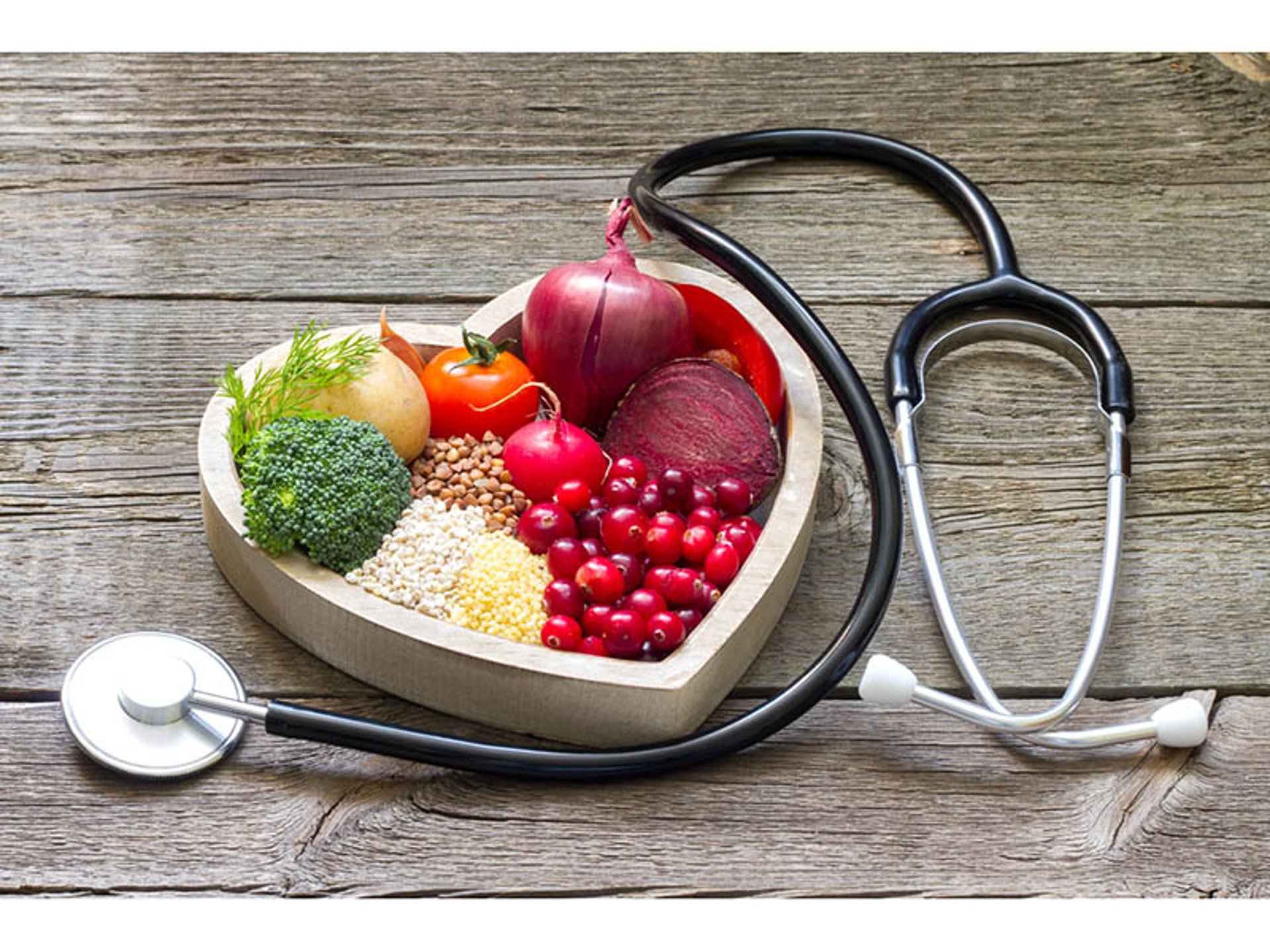
WEDNESDAY, March 10, 2021 (HealthDay News) — A healthful plant-based diet is associated with a significantly reduced risk for total stroke, according to a study published online March 10 in Neurology.
Megu Y. Baden, M.D., Ph.D., from the Harvard T. H. Chan School of Public Health in Boston, and colleagues examined whether a healthful plant-based diet is associated with lower stroke risk among 73,890 women in the Nurses’ Health Study (NHS), 92,352 women in NHSII, and 43,266 men in the Health Professionals Follow-Up Study without cardiovascular disease or cancer at baseline. The overall plant-based diet index (PDI), healthful PDI (hPDI), and unhealthful PDI (uPDI) were used to assess plant-based diet quality.
A total of 6,241 stroke cases were documented during follow-up (3,015 ischemic and 853 hemorrhagic strokes). The researchers found that participants with the highest versus the lowest PDIs had hazard ratios for total stroke of 0.94 (95 percent confidence interval, 0.86 to 1.03) for PDI; 0.90 (95 percent confidence interval, 0.83 to 0.98) for hPDI; and 1.05 (95 percent confidence interval, 0.96 to 1.15) for uPDI. A marginally lower hazard ratio was seen for ischemic stroke among participants in the highest hPDI (hazard ratio, 0.92; 95 percent confidence interval, 0.82 to 1.04), while there was no consistent association noted for hemorrhagic stroke. There was no association observed for a vegetarian diet with total stroke (hazard ratio, 1.00; 95 percent confidence interval, 0.76 to 1.32).
“Our results support dietary guidelines that emphasize increasing consumption of healthy plant-based foods for cardiometabolic health outcomes,” the authors write.
Two authors disclosed financial ties to the California Walnut Commission, one of whom also disclosed ties to industry.
Abstract/Full Text (subscription or payment may be required)
 Recommendations Issued for Use of Incretin-Based Meds in Pregnancy
  Lower Cognitive Functioning During 60s Linked to Subsequent Stroke Risk
  Eating More Ultraprocessed Foods Heightens Risk for Chronic Diseases
  Insomnia Linked to Increased Risk for Stroke, Odds of Admission
  Better Youth Fitness May Lower Risk for Depression in Adulthood
  Childhood Cancer Survivors Often Have Mental Distress in Adulthood
  Increased Dementia Risk Seen After Transient Ischemic Attack
  Reducing Ultraprocessed Food May Alleviate Symptoms of Depression