
Genomic load independent risk factor for composite outcome of death, intubation, ECMO
WEDNESDAY, Nov. 4, 2020 (HealthDay News) — For patients admitted to the hospital with COVID-19 pneumonia, high genomic load of severe acute respiratory syndrome coronavirus 2 (SARS-CoV-2) is associated with worse outcomes, according to research published online Oct. 29 in the Annals of the American Thoracic Society.
Ioannis M. Zacharioudakis, M.D., from the NYU School of Medicine in New York City, and colleagues examined the association between SARS-CoV-2 genomic load in nasopharyngeal samples and clinical outcomes among patients admitted to the hospital with COVID-19 pneumonia. The cycle threshold (Ct) value was used as a surrogate for viral load; Ct values were classified into genomic load based on tertiles: low, intermediate, and high.
The final analysis included 314 patients who presented to the emergency department. The researchers found that 34.1, 32.8, and 33.1 percent of patients were categorized into low, intermediate, and high SARS-CoV-2 genomic load categories. In a multivariate analysis, transplant history and duration of symptoms remained significantly associated with high genomic load (odds ratios, 5.36 and 0.93, respectively). Patients with high versus low genomic load had a significantly increased unadjusted risk for death and for reaching the composite outcome of death, intubation, or extracorporeal membrane oxygenation. Genomic load remained an independent risk factor for the composite outcome in the multivariable model (odds ratio, 1.59).
“Our study provides a justification for using patients’ SARS-CoV-2 load at the time of hospital admission to assess their risk of adverse outcomes,” Zacharioudakis said in a statement.
Abstract/Full Text (subscription or payment may be required)
 Gene Mutation Identified That Increases Lung Cancer Risk
 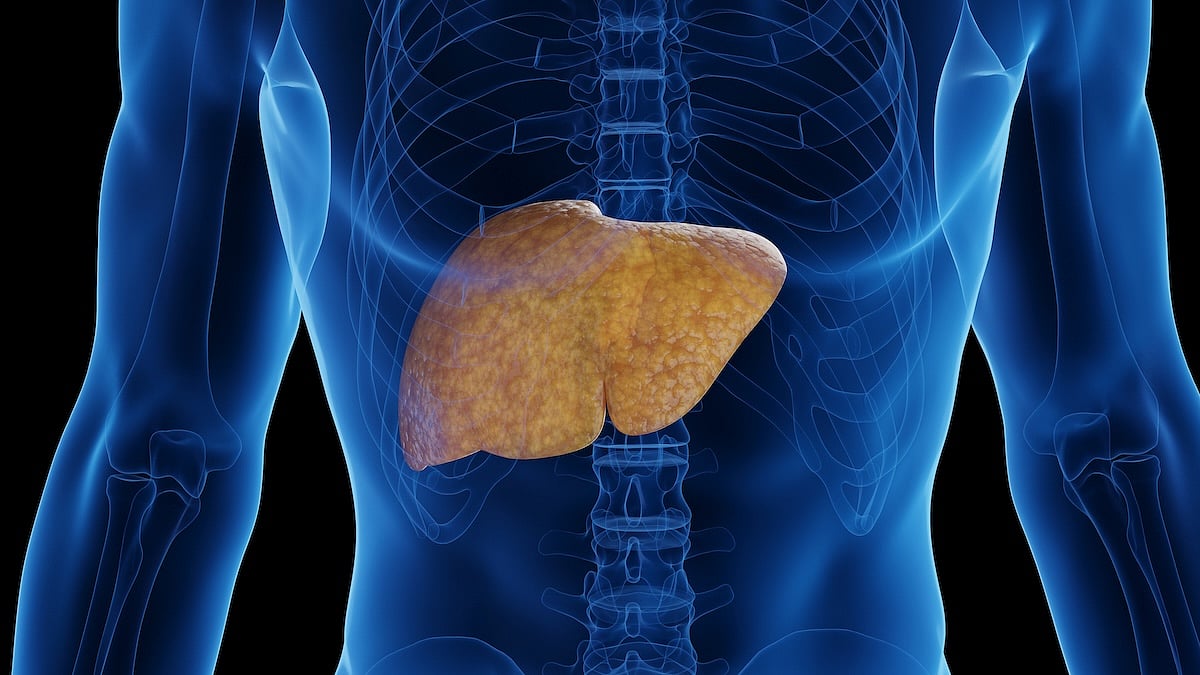 Genetics, Diabetes Tied to MASLD-Associated Cirrhosis Before Age 50
  Family History of CRC Increases CRC Risk Similarly in IBD, General Population
  Relapse Rare After Appendiceal Adenocarcinoma Resection
  Implant, Patient Survival Do Not Differ for Robotic and Conventional Total Joint Replacement
  Personalized Support Boosts Families" Genetic Testing for Hereditary Cancers
  Physical Therapist-Supervised Exercise Improves Outcomes After ACL Reconstruction
 .jpg) Cancer Survivors Have Lower Levels of Physical Activity
Cancer Survivors Have Lower Levels of Physical Activity