


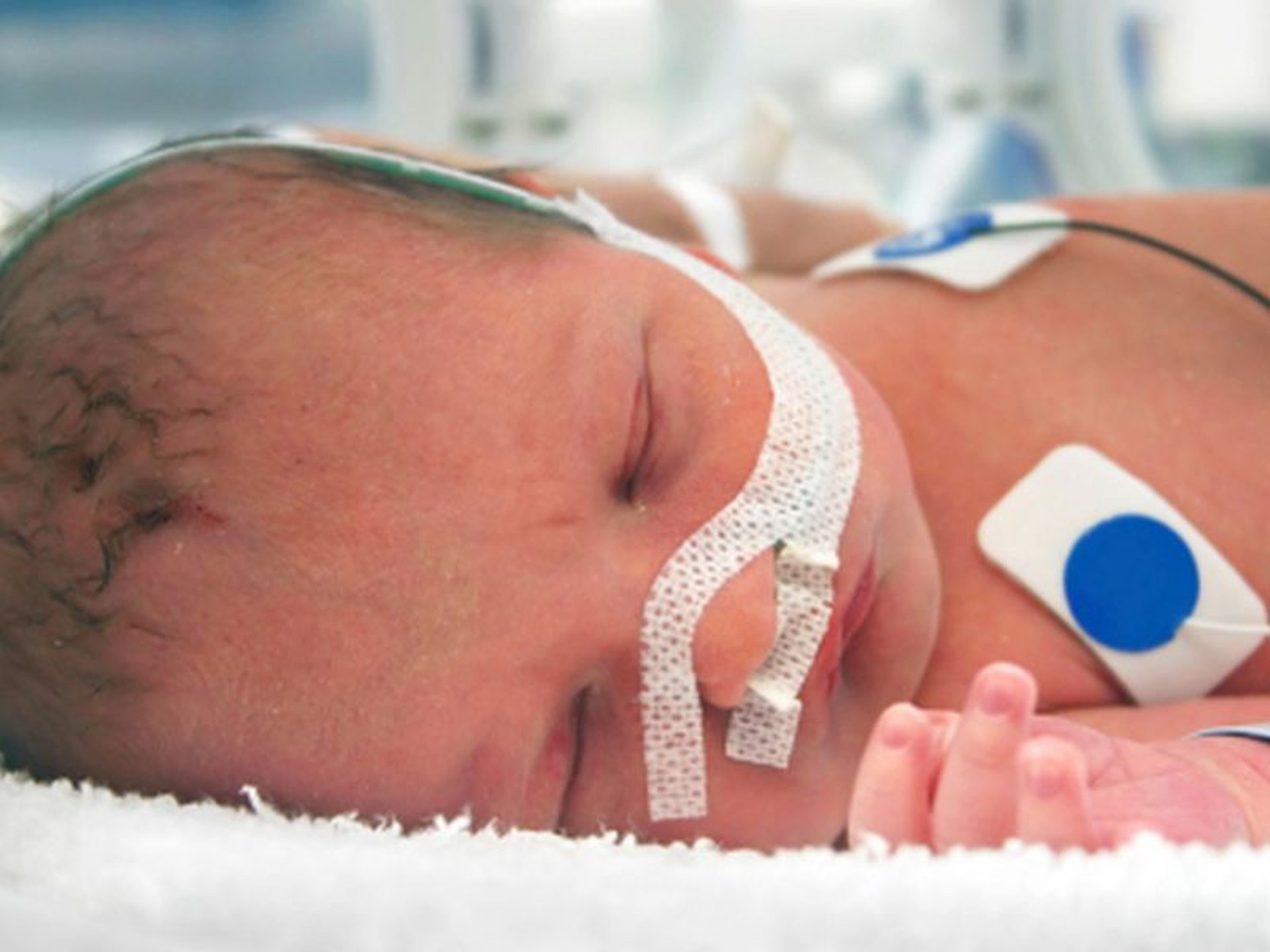
Use of a higher hemoglobin threshold for transfusion in anemic preterm infants does not lower risk for death, neurodevelopmental impairment
WEDNESDAY, Jan. 13, 2021 (HealthDay News) — Use of a higher hemoglobin transfusion threshold does not lower the risk for death or neurodevelopmental impairment at 22 to 26 months of age among extremely low-birth-weight infants with anemia, according to a study published in the Dec. 31 issue of the New England Journal of Medicine.
Haresh Kirpalani, M.D., from the University of Pennsylvania in Philadelphia, and colleagues conducted a multicenter trial involving infants with a birth weight of 1,000 g or less and a gestational age between 22 weeks zero days and 28 weeks six days. Within 48 hours of delivery, 1,824 infants were randomly assigned to receive red-cell transfusions at either higher or lower hemoglobin thresholds until 36 weeks of postmenstrual age or discharge; primary outcome data were available for 1,692 infants.
Throughout the treatment period, there was a between-group difference of 1.9 g/dL in the pretransfusion mean hemoglobin levels. The researchers found that 50.1 percent of the 845 infants in the higher-threshold group died or survived with neurodevelopmental impairment compared with 49.8 percent of 847 infants in the lower-threshold group (relative risk adjusted for birth-weight stratum and center, 1.00; 95 percent confidence interval, 0.92 to 1.10; P = 0.93). The incidences of death (16.2 and 15.0 percent, respectively) and neurodevelopmental impairment (39.6 and 40.3 percent, respectively) were similar for the higher- and lower-threshold groups at two years.
“These results are consistent with the failure of erythropoietin to improve cognitive or other neurodevelopmental outcomes despite increasing red-cell mass,” the authors write.
One author disclosed financial ties to Mednax.
Abstract/Full Text (subscription or payment may be required)
 Low Levels of Placental Growth Factor in Pregnancy Linked to Subsequent ADHD in Offspring
  Better Youth Fitness May Lower Risk for Depression in Adulthood
 .jpg) Time-Restricted Eating Shows Possible Benefits for Patients With Huntington Disease
Time-Restricted Eating Shows Possible Benefits for Patients With Huntington Disease  Maternal Vitamin D Status Linked to Preterm Delivery
  Recommendations Issued for Use of Incretin-Based Meds in Pregnancy
  Serum 25(OH)D May Serve as Biomarker of Disease Activity in IBD
  Nutritional Deficiencies Seen in Youth Taking GLP-1 Receptor Agonists
  IBD Not Linked to Risk for Hypertensive Disorders of Pregnancy Overall



.jpg)
