


Black parents and those of publicly insured children show greatest vaccine hesitancy
MONDAY, Sept. 27, 2021 (HealthDay News) — Targeted outreach may be needed to counter COVID-19 vaccine hesitancy among some parents, according to a study published online Sept. 13 in BMC Public Health.
Nina L. Alfieri, M.D., from the Ann & Robert H. Lurie Children’s Hospital of Chicago, and colleagues surveyed 1,425 parents to compare hesitancy toward a future COVID-19 vaccine for children among various sociodemographic groups in a major metropolitan area.
The researchers found that one-third of parents reported hesitancy for their child, but this number was higher for Black parents (48 percent) and Hispanic parents (33 percent) versus non-Hispanic White parents (26 percent). Non-Hispanic Black parents had higher hesitancy versus non-Hispanic White parents (odds ratio, 2.65), as did parents of publicly insured children versus privately insured (odds ratio, 1.93) and lower-income groups. Parents who report using family, internet, and health care providers as information sources had lower odds of COVID-19 vaccine hesitancy for their children compared with parents not using each of those sources.
“As vaccines are becoming available to younger children, and with continued spikes in COVID-19 cases, it is of the utmost importance that we are able to widely distribute the vaccine,” a coauthor said in a statement. “We especially need to reach the more vulnerable and hesitant populations to help reduce the substantial health inequities we have seen during this pandemic.”
 Nearly 3 in 4 Older Adults Express Interest in Vaccine to Prevent Dementia
 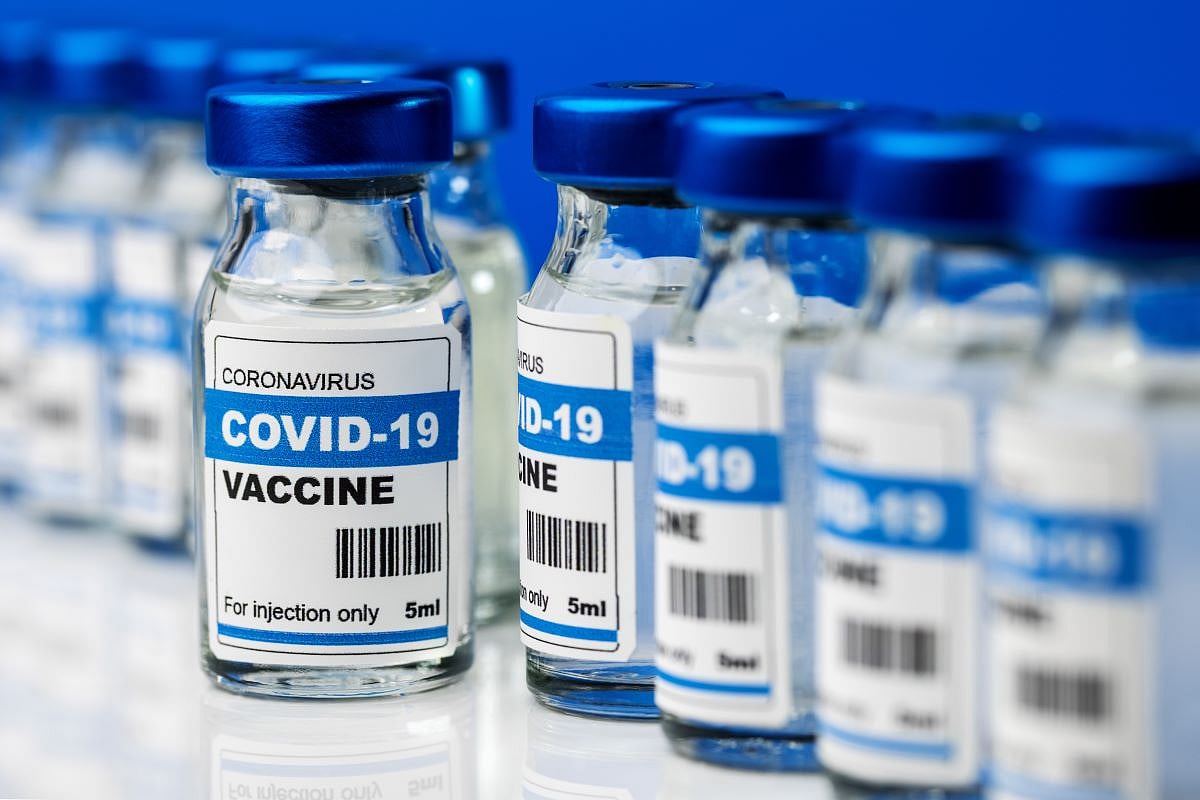 Updated COVID-19 Shot Beneficial for Those With Autoimmune Rheumatic Disease
  AAP Issues Recommendations for Pediatric RSV Vaccination in 2026-2027 Season
  Trends Reported in Vaccination Coverage for Adolescents for 2025
 .jpg) Considerable Gaps Reported in Care for Youth With Opioid Use Disorder
Considerable Gaps Reported in Care for Youth With Opioid Use Disorder  Nutritional Deficiencies Seen in Youth Taking GLP-1 Receptor Agonists
  Youth Suicide Risk Linked to Community Firearm Violence
  Social Media Warnings Could Discourage Use Among Teens, Young Adults


.jpg)

