



While the program did not reduce the hazard of falls, authors say it nonetheless may be an important, cost-effective intervention
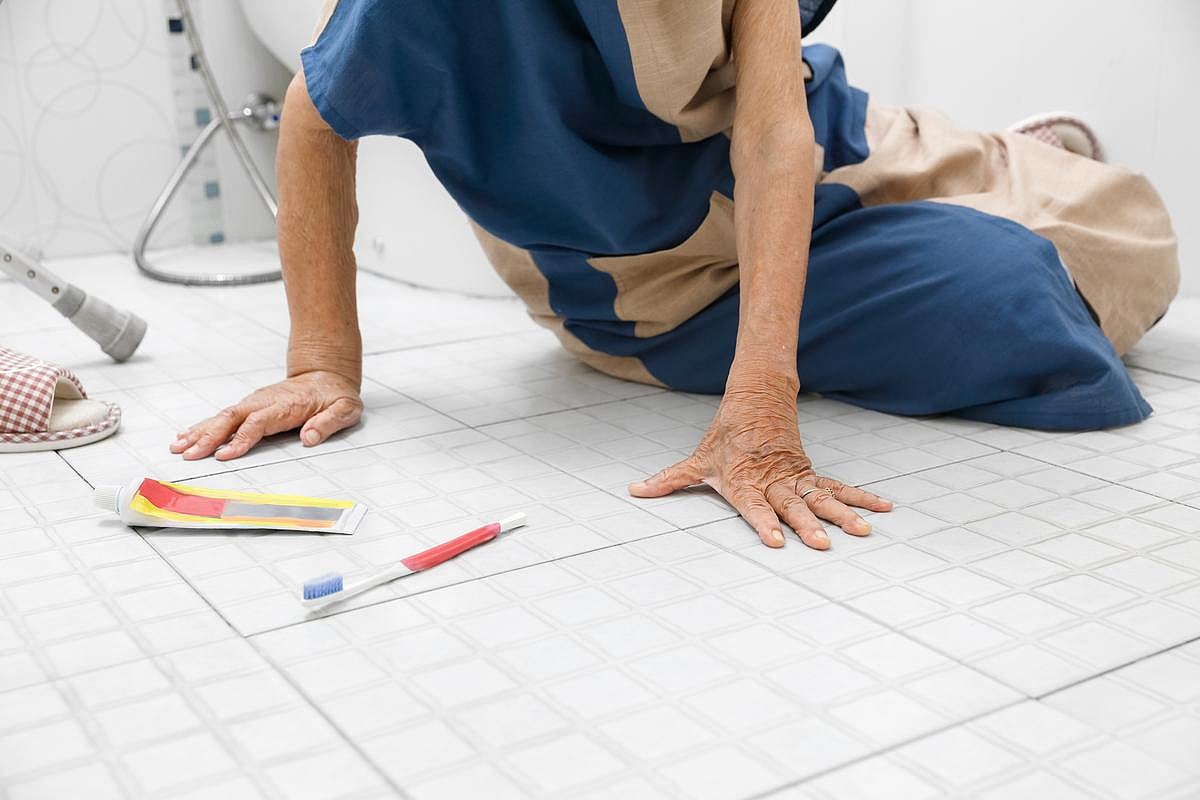
FRIDAY, Sept. 3, 2021 (HealthDay News) — A brief home hazard removal program does not reduce the hazard of falls among community-dwelling older adults at high risk for falling, but appears to reduce the rate of falls, according to a study published online Aug. 31 in JAMA Network Open.
Susan Stark, Ph.D., from the Washington University School of Medicine in St. Louis, and colleagues evaluated the effectiveness of a behavioral intervention on fall risk among older adults receiving services from an Area Agency on Aging. The analysis included 310 older adults randomly assigned to either a home hazard removal intervention delivered over two weeks with a six-month booster or usual care.
The researchers observed no difference for the primary outcome of fall hazard (hazard ratio, 0.90; 95 percent confidence interval, 0.66 to 1.27). There was a 38 percent reduction in the rate of falling in the intervention group versus the control group (relative risk, 0.62; 95 percent confidence interval, 0.40 to 0.95; P = 0.03). The rate of falls per person-year was 1.5 in the intervention group at 12 months and 2.3 in the control group. There were no significant differences observed in daily activity performance, falls self-efficacy, or quality of life.
“Exploratory cost analysis demonstrated that the intervention was potentially cost-effective for this high-risk population, with a 111 percent return on investment in health care savings,” the authors write.
 Multicomponent Interventions Offer Little Impact on Fall Risk
  Adverse Events Increased With Sedative Prescription After Hospitalization
  AI + Abdominal CT Imaging Can ID Adults at Risk for Falls
  Fewer Days at Home After Hip Fracture Seen in Economically Deprived Areas
  Lower Cognitive Functioning During 60s Linked to Subsequent Stroke Risk
  Polypharmacy of Prescription Medications Increased for U.S. Older Adults
  Nearly 1 in 10 Older Adults Used Cannabis in the Past Year
  Lower Vertebral Bone Mineral Density Linked to Cognitive Decline


.jpg)

