


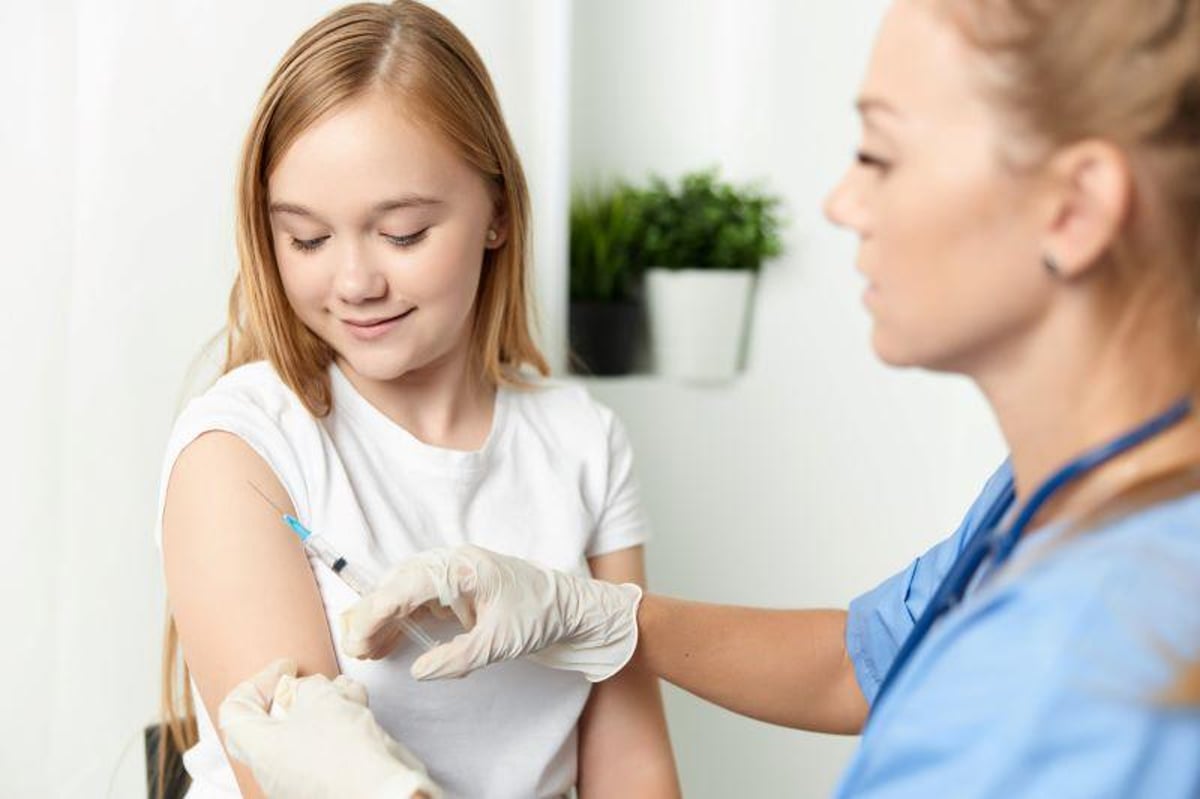
However, recovery seen in monthly volume of vaccine doses administered
THURSDAY, Dec. 15, 2022 (HealthDay News) — The percentage of children with up-to-date human papillomavirus (HPV) vaccine coverage remains lower compared with pre-COVID-19 pandemic levels, according to a study published in the November issue of Vaccine.
Chun R. Chao, Ph.D., from Kaiser Permanente Southern California in Pasadena, and colleagues used electronic medical records to assess monthly volume of HPV vaccine doses administered among children aged 9 to 12.9 years and up-to-date coverage (percent vaccinated) by age 13 years between March 2019 and September 2021.
The researchers found that HPV vaccine doses administered in 2020 and 2021 have returned to the 2019 level after the initial drop during the beginning of the pandemic (March to April 2020). However, from March 2021 to September 2021, the average up-to-date coverage remained lower than the prepandemic level (54.8 versus 58.5 percent). Similar patterns were seen across race/ethnicity, neighborhood deprivation index, and HPV vaccine coverage.
“System efforts for promoting childhood and adolescent vaccination during a pandemic are likely necessary to ensure adequate vaccination rates,” the authors write. “Enhanced efforts are needed to bring back the HPV vaccination coverage level in children.”
One author disclosed financial ties to the pharmaceutical industry.
.jpg) Considerable Gaps Reported in Care for Youth With Opioid Use Disorder
Considerable Gaps Reported in Care for Youth With Opioid Use Disorder  Nutritional Deficiencies Seen in Youth Taking GLP-1 Receptor Agonists
  Nearly 3 in 4 Older Adults Express Interest in Vaccine to Prevent Dementia
  Youth Suicide Risk Linked to Community Firearm Violence
  Better Youth Fitness May Lower Risk for Depression in Adulthood
  Childhood Cancer Survivors Often Have Mental Distress in Adulthood
  Insomnia Linked to Increased Risk for Stroke, Odds of Admission
  Reducing Ultraprocessed Food May Alleviate Symptoms of Depression




.jpg)