


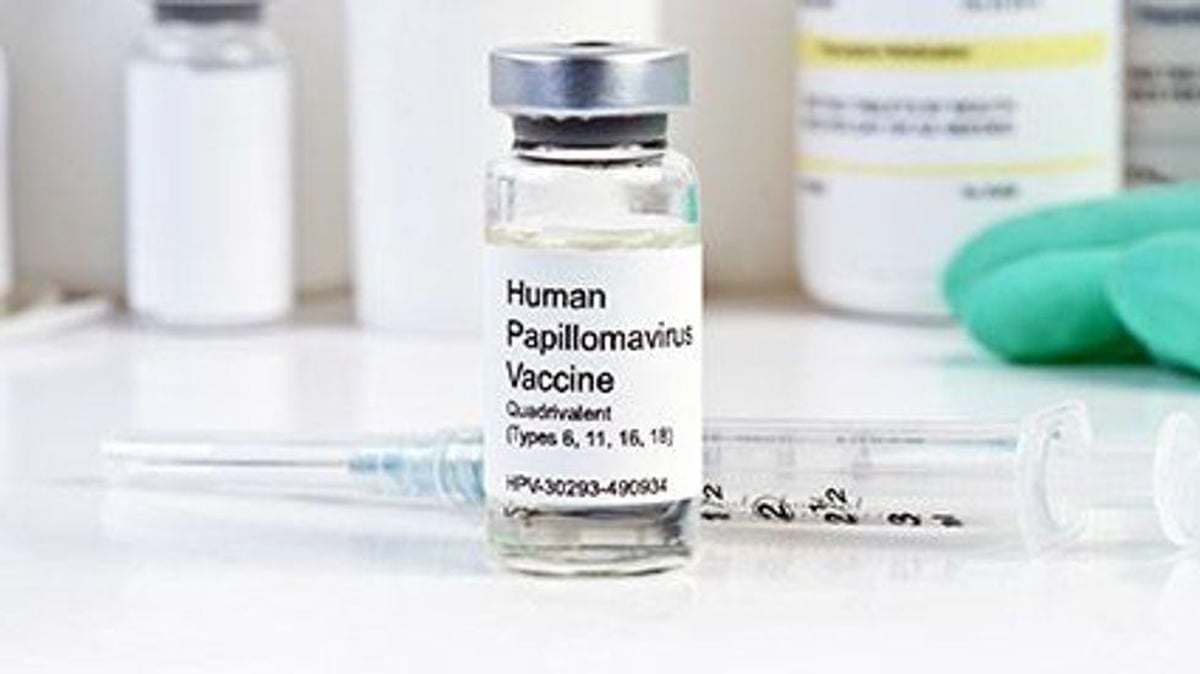
However, reductions in oropharynx cancer incidence should be seen among young and middle-aged adults
THURSDAY, Sept. 23, 2021 (HealthDay News) — Current human papillomavirus (HPV) vaccination rates will have a limited effect on the overall incidence of oropharynx cancer (OPC) through 2045 because older individuals who have not yet been vaccinated remain at high risk, according to a study published online Sept. 2 in JAMA Oncology.
Yuehan Zhang, from Johns Hopkins University in Baltimore, and colleagues modeled projected expected 2018 to 2045 OPC incidence under scenarios of no HPV vaccination and current levels of HPV vaccination.
The researchers found that under current HPV vaccination rates, between 2018 and 2045, OPC incidence is projected to decrease in younger individuals (36 to 45 years of age: from 1.4 to 0.8 per 100,000 population; 46 to 55 years of age: from 8.7 to 7.2 per 100,000 population) but will continue to increase among older individuals (70 to 83 years of age: from 16.8 to 29.0 per 100,000 population). The association of HPV vaccination with overall OPC incidence through 2045 will only be modestly affected by HPV vaccination (no vaccination versus vaccination: 14.3 versus 13.8 per 100,000 population in 2045). It is estimated that by 2045, a total of 6,334 OPC cases will be prevented with HPV vaccination, with 88.8 percent of the benefit to be seen in younger age groups (≤55 years of age).
“These findings forecast a continued shift in the landscape of OPC to an older population,” the authors write.
Abstract/Full Text (subscription or payment may be required)
 Nearly 3 in 4 Older Adults Express Interest in Vaccine to Prevent Dementia
  Updated COVID-19 Shot Beneficial for Those With Autoimmune Rheumatic Disease
  Trends Reported in Vaccination Coverage for Adolescents for 2025
  AAP Issues Recommendations for Pediatric RSV Vaccination in 2026-2027 Season
  4CMenB Vaccine Confers Modest Protection Against Gonorrhea in Teens
  AAP Releases Influenza Vaccine Recommendations for All Children 6 Months and Older
  Adverse Event Risk Not Up With Same Day COVID-19, Flu Vaccination


.jpg)

