


 Days alive and free from vasopressors greater for initiation within 24 hours versus >48 hours
THURSDAY, Sept. 17, 2020 (HealthDay News) — For patients with vasopressor-dependent septic shock, early hydrocortisone use is associated with improved outcomes, according to a study published online Sept. 2 in SHOCK.
Gretchen L. Sacha, Pharm.D., from the Cleveland Clinic, and colleagues compared clinical outcomes in 1,470 patients with septic shock who received hydrocortisone, based on timing of initiation after shock onset.
The researchers found that 38.6, 15.7, 17.7, 13.3, and 14.8 percent of patients received hydrocortisone at zero to six, six to 12, 12 to 24, 24 to 48, and >48 hours after shock onset, respectively. On univariate analysis, there was no significant difference in days alive and free from vasopressors among the timing groups; intensive care unit (ICU) mortality also did not differ. Timing of hydrocortisone was independently associated with more days alive and free from vasopressors when comparing initiation within zero to six, six to 12, and 12 to 24 hours with initiation within >48 hours (beta coefficients, 2.8, 2.5, and 2.3 days) on multivariable logistic regression. When comparing receipt within zero to six hours with receipt within >48 hours after shock onset, timing of hydrocortisone was associated with reduced ICU mortality (odds ratio, 0.6).
“If hydrocortisone is to be initiated in patients with septic shock, it should be initiated within at least the first 24 hours after shock onset, and ideally within the first 12 hours,” the authors write.
Abstract/Full Text (subscription or payment may be required)
 Withdrawal From Medetomidine Increasingly Seen in ICUs
 Multicomponent Interventions Offer Little Impact on Fall Risk
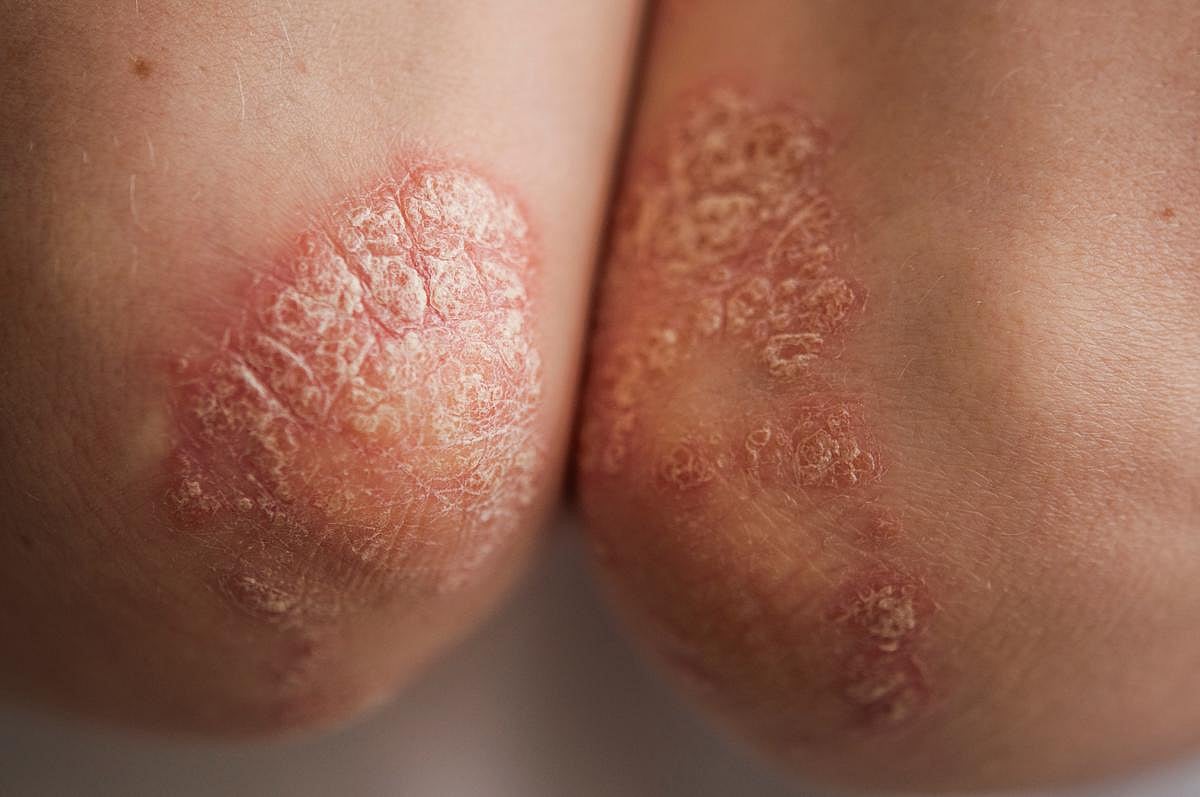 Mortality, Comorbidity Risk Increased With Generalized Pustular Psoriasis
 ED Visits for Gambling Disorder Spike After Canada Liberalizes Online Gambling
 Financial Incentives Boost Tobacco Abstinence in Underserved Adults
 Nearly 2 in 3 Poison Exposures in Young Children May Not Need the ED
 About 1 in 20 Hospitalized U.S. Adults With Firearm Injuries Develop Bacterial Infections
 Emergency Diagnosis Linked to Worse Outcomes for Range of Conditions



.jpg)

