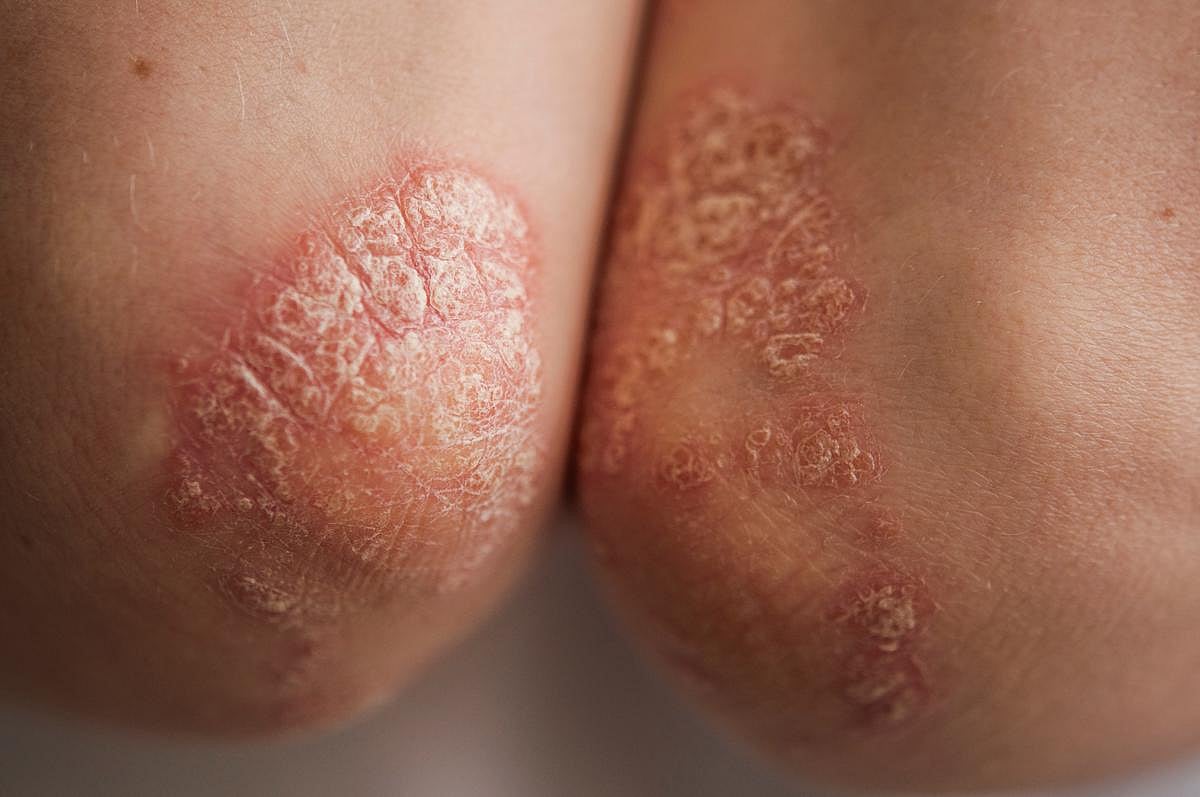
Response rate higher for anogenital versus extragenital lichen sclerosus
FRIDAY, July 26, 2024 (HealthDay News) — Hydroxychloroquine appears to be a safe and effective treatment option for anogenital lichen sclerosus that only has mild adverse effects, according to a study published online July 19 in the International Journal of Dermatology.
Christeebella O. Akpala, from the Mayo Clinic in Rochester, Minnesota, and colleagues analyzed the demographic characteristics, clinicopathological features, treatment response, and outcomes of 70 patients diagnosed with either anogenital or extragenital lichen sclerosus who received hydroxychloroquine therapy (2018 to 2023).
The researchers found that 36 percent of patients had a connective tissue disorder, prompting hydroxychloroquine therapy. Of the 30 patients treated solely for lichen sclerosus, 21 showed a response, and nine had no response. The overall response among those with anogenital lichen sclerosus was 84.6 percent compared to 50 percent in extragenital lichen sclerosus. Four months was the median time to initial response. Adverse effects were mostly mild and were seen in 14.3 percent of patients.
“Hydroxychloroquine demonstrates promise as a therapeutic option for anogenital lichen sclerosus because of its favorable response rates and low incidence of adverse effects,” the authors write. “However, further investigations, including larger-scale or prospective studies, are imperative to ascertain its definitive efficacy.”
Abstract/Full Text (subscription or payment may be required)
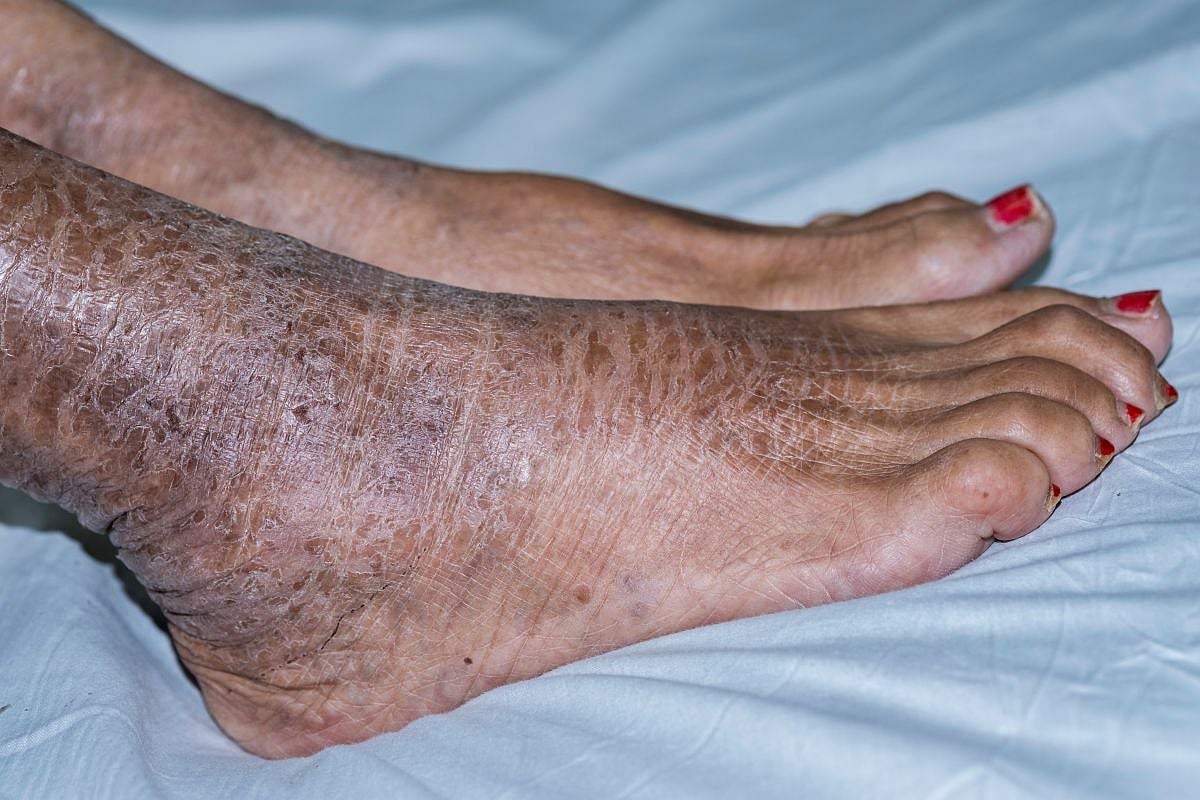 Congenital Ichthyosis Linked to Allergic Disorders
  Blinatumomab Improves Event-Free Survival in Children With High-Risk B-Cell ALL
  Study IDs Risk Factors for Ketoacidosis in Adults With T2D Receiving SGLT2 Inhibitors
  Anifrolumab Tied to Lower Hospitalization, Infection Risk in Lupus
  Therapies Compared for Newly Diagnosed Multiple Sclerosis
  Initial Rx Length Tied to Long-Term Use of Z-Drugs
  Distinct Characteristics ID"d for Patients With Rheumatoid Conditions, Opioid Use Disorder
  Azacitidine + Venetoclax Tied to Improved Event-Free Survival in Adults With AML