


Hypoglossal nerve stimulator implantation effective for children with Down syndrome aged younger than 13 years
FRIDAY, Aug. 15, 2025 (HealthDay News) — For children aged younger than 13 years with Down syndrome (DS) and severe obstructive sleep apnea (OSA), hypoglossal nerve stimulator (HGNS) implantation is safe and effective, according to a study published online in the September issue of the International Journal of Pediatric Otorhinolaryngology.
Minjee Kim, M.D., from Harvard Medical School in Boston, and colleagues conducted a retrospective cohort study at two academic institutions to examine the safety and efficacy of HGNS placement in children younger than 13 years of age with DS and severe OSA. The study included 29 children (median age, 10 years; 19 were male).
The researchers found that all children were safely implanted with no serious adverse events. One mild wound dehiscence occurred, which resolved with antibiotic ointment and pressure dressing; there were no adverse device effects. The median preop and postop obstructive apnea hypopnea index (OAHI) was 18.4 and 3.9, respectively. Twenty patients (95.2 percent) had an OAHI reduction of 50 percent or more at six months postop.
“This research has major implications, first being that the safety results can alleviate concerns about whether this procedure is possible in young children,” coauthors Christopher Hartnick, M.D., from Mass Eye and Ear in Boston, and Brian Skotko, M.D., from Massachusetts General Hospital in Boston, said in a statement. “We also feel this research offers a message of hope to parents of young children with Down syndrome who have worried about their children’s sleep apnea.”
Abstract/Full Text (subscription or payment may be required)
 Ultrasound-Guided Hydrodissection Yields Improvements in Carpal Tunnel
  Nearly 1 in 5 Patients Report Exposure to Ophthalmic Treatments Perceived as Bogus
  Smartwatches Significantly Overestimate How Many Calories Are Burned
 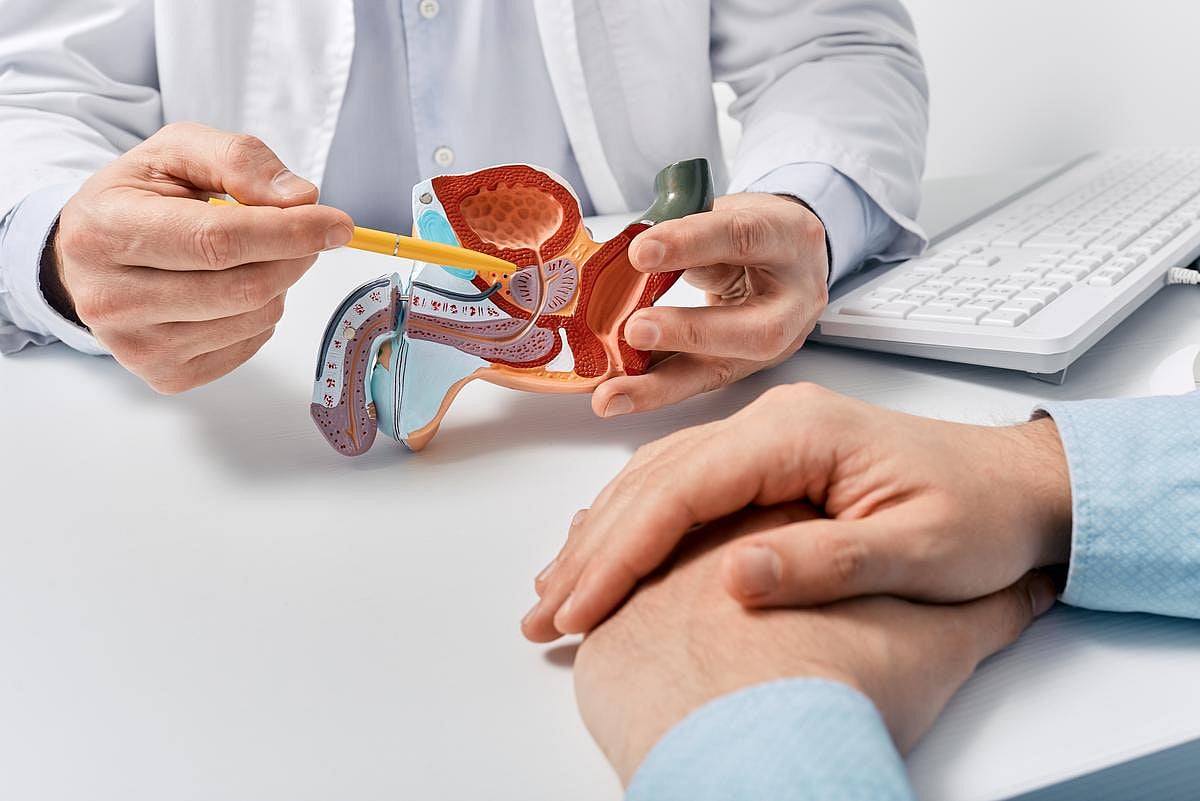 Focal Therapy Use Remains Uncommon in Nonmetastatic Prostate Cancer
 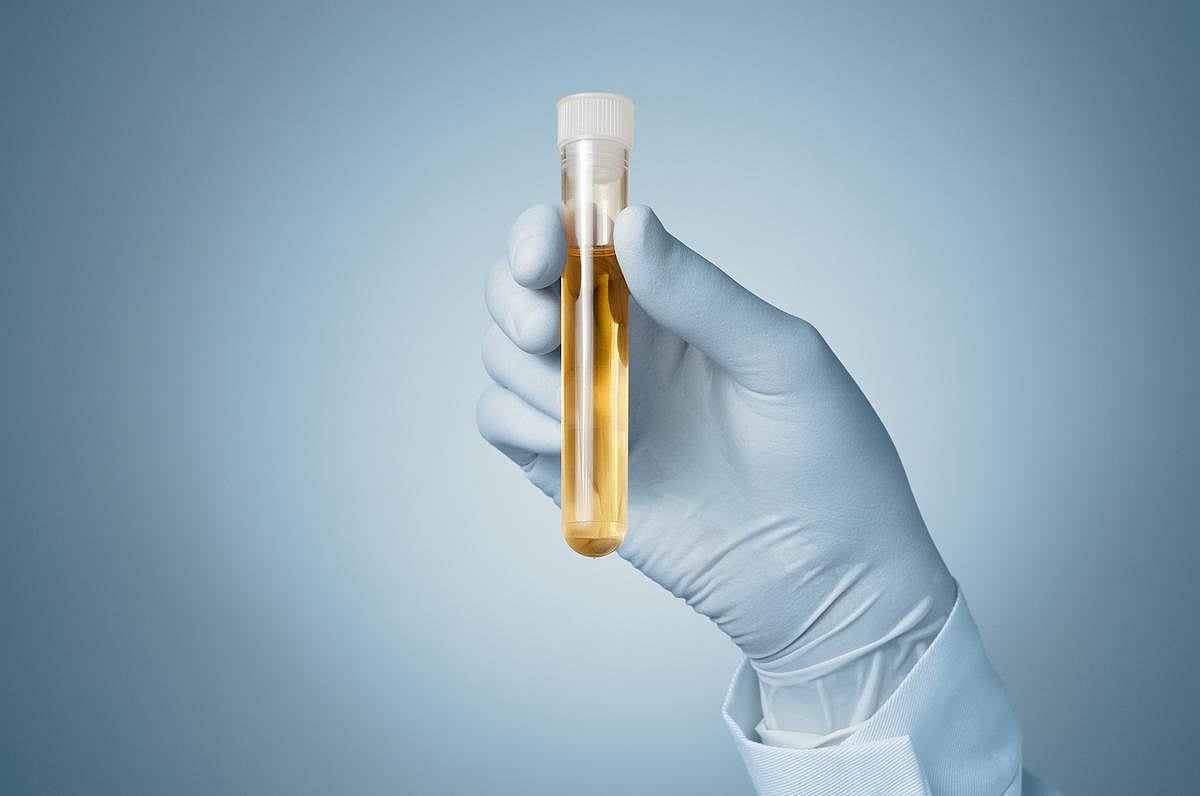 Urine Cell-Free RNA Shows Promise as Biomarker for Bladder Cancer
  Pre-Prostate Biopsy MRI Use Increased From 2017 to 2026
 .jpeg) Higher Intake of Saturated, Animal Fats May Increase Mortality in Prostate Cancer
Higher Intake of Saturated, Animal Fats May Increase Mortality in Prostate Cancer  Adverse Pathological Features Do Not Predict Benefit of Hormone Therapy in Prostate Cancer


.jpg)

