


In United States, positivity rate highest at private residences and outdoor environments versus public buildings
TUESDAY, Oct. 5, 2021 (HealthDay News) — Clostridioides difficile (C. difficile) is prevalent in non-health care settings, including on the soles of shoes, according to a study presented at the annual meeting of the Infectious Diseases Society of America (IDWeek), held virtually from Sept. 29 to Oct. 3.
Jinhee Jo, Pharm.D., from the University of Houston in Texas, and colleagues examined the prevalence and strain types of C. difficile using environmental swabs collected from public areas, health care settings, and shoe soles from 2014 to 2017. A total of 11,986 unique isolates were included from the United States (92 percent) and from 11 other countries.
The researchers found that C. difficile sample positivity was 26 percent worldwide and was similar at U.S. and non-U.S. sampling sites. In the United States, the highest positivity rate was seen at private residences and outdoor environments compared with public buildings (26.2 and 24.1 percent, respectively, versus 17.2 percent). In a subanalysis conducted in Texas with 8,571 samples, positivity rates were highest for outdoor samples and similar at private residences and health care buildings (27, 24, and 24 percent, respectively). Overall, the most prevalent fluorescent polymerase chain reaction ribotypings (RTs) were F014-020, F106, and FP310 (16.4, 14.9, and 11 percent, respectively). The highest positivity rate was seen for shoe soles (45 percent), with RT distribution similar between shoe soles and environmental samples.
“The results of this study shift our understanding of C. diff, including where it is found, how it is transmitted, and who it affects,” a coauthor said in a statement. “We can no longer think of C. diff as only existing in health care settings, and the population at risk is no longer just the very sick patient in the hospital.
One author disclosed financial ties to Summit Therapeutics.
 People With ADHD Experience 50 Percent More GI Symptoms
  Relapse Rare After Appendiceal Adenocarcinoma Resection
 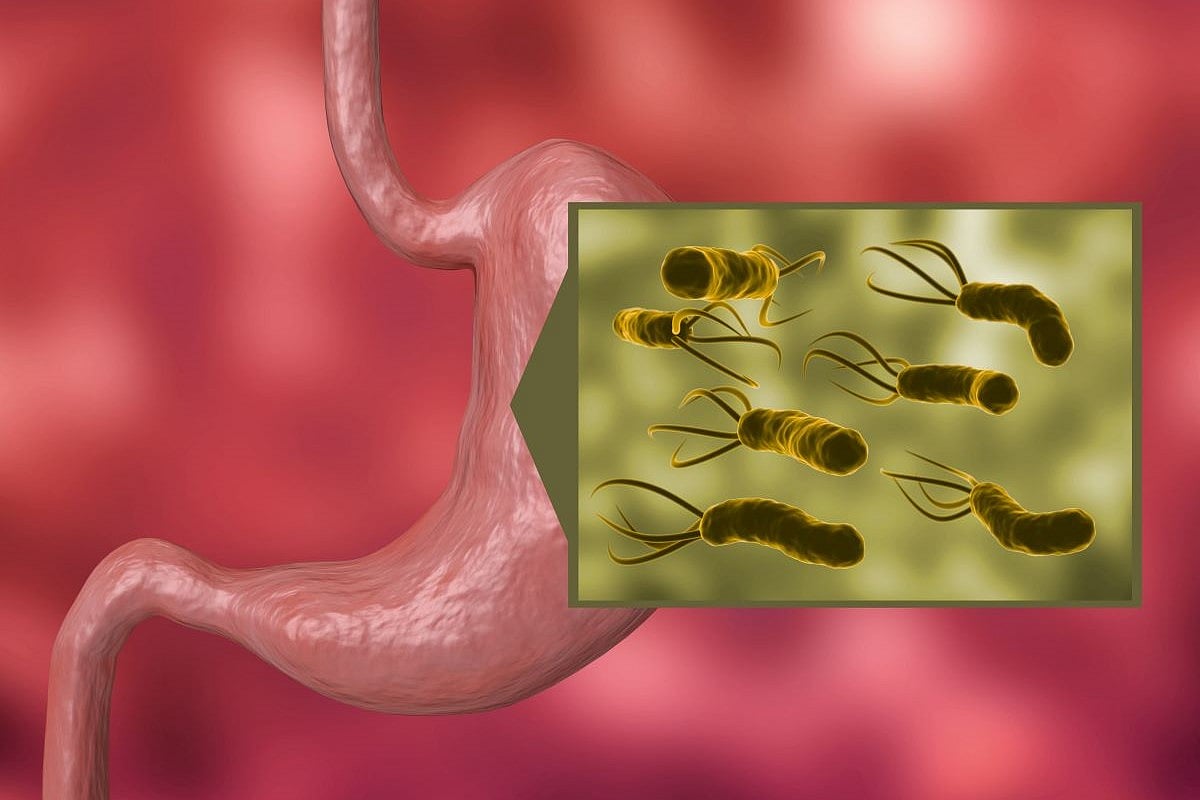 H. Pylori Exposure May Contribute to Global Burden of Colorectal Cancer
  Distinct Skin Microbiome Features Emerge Before Atopic Disease Onset in Infants
  Lower Dietary Diversity in First Year Linked to Atopic Dermatitis
 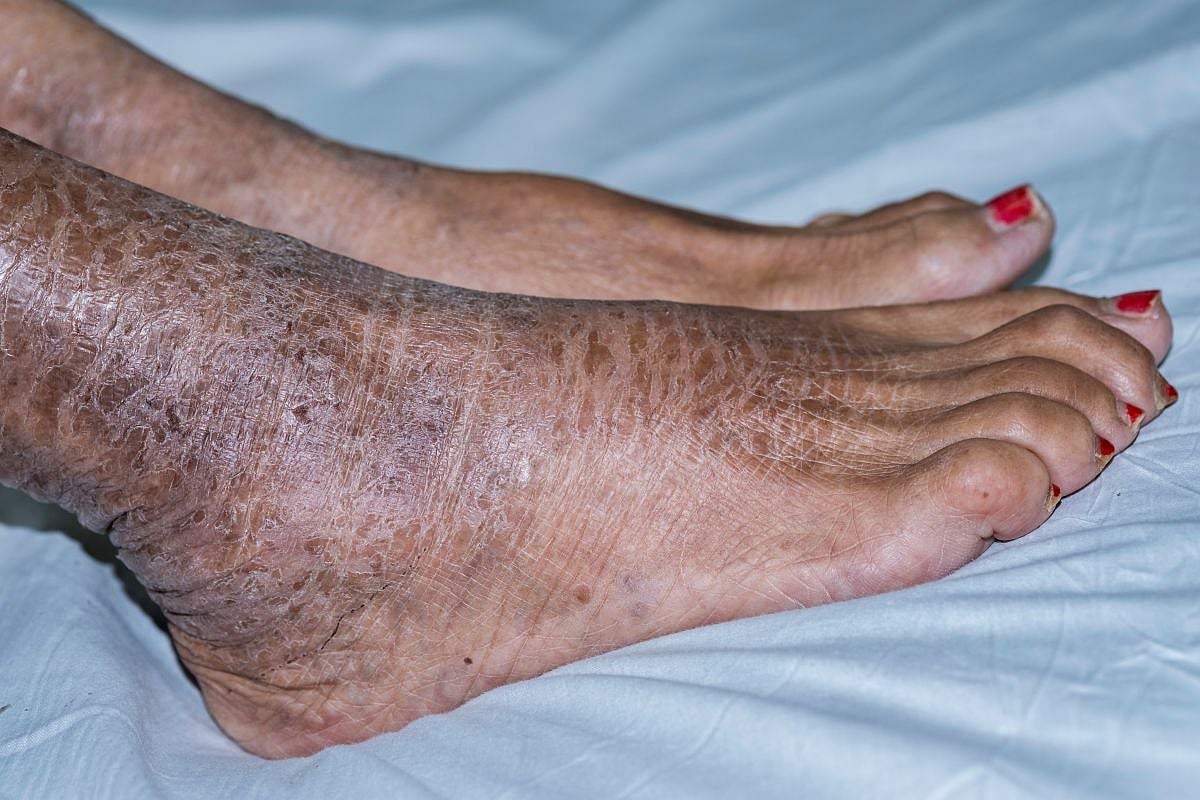 Congenital Ichthyosis Linked to Allergic Disorders
 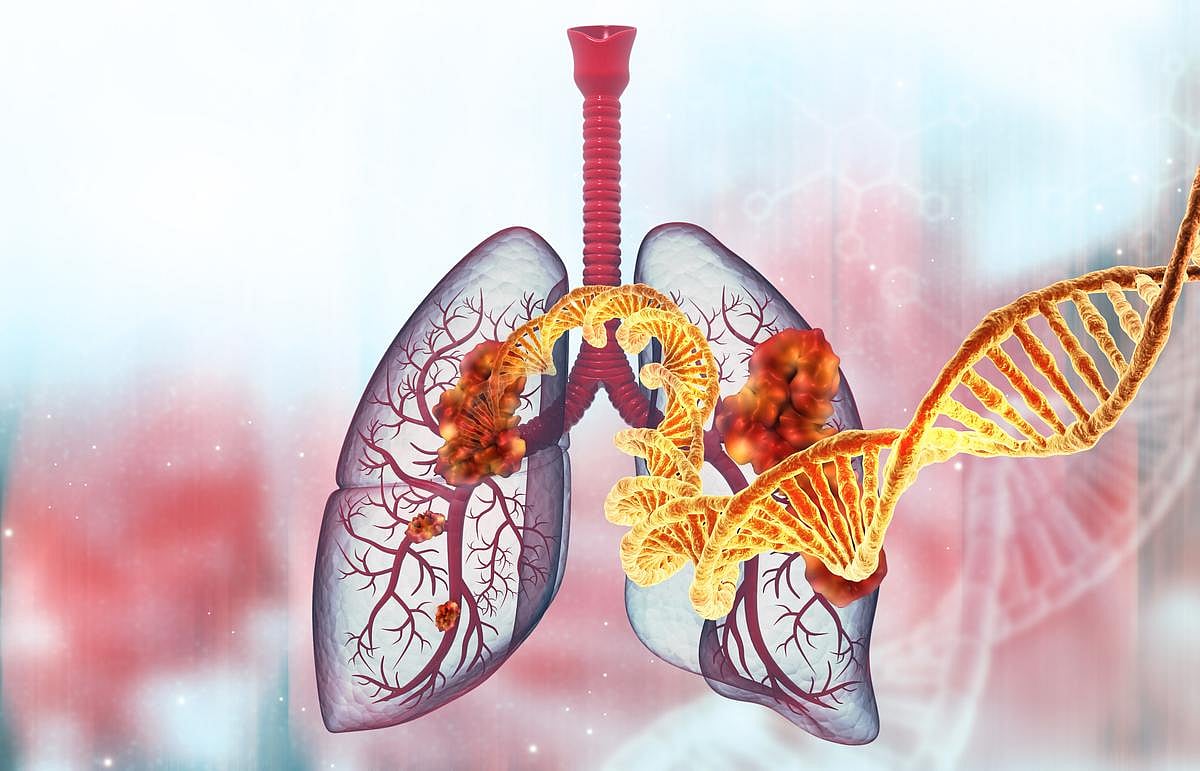 Gene Mutation Identified That Increases Lung Cancer Risk
  Freshwater Swimming Tied to Stomach Bugs, Skin Conditions
 .jpg)




