


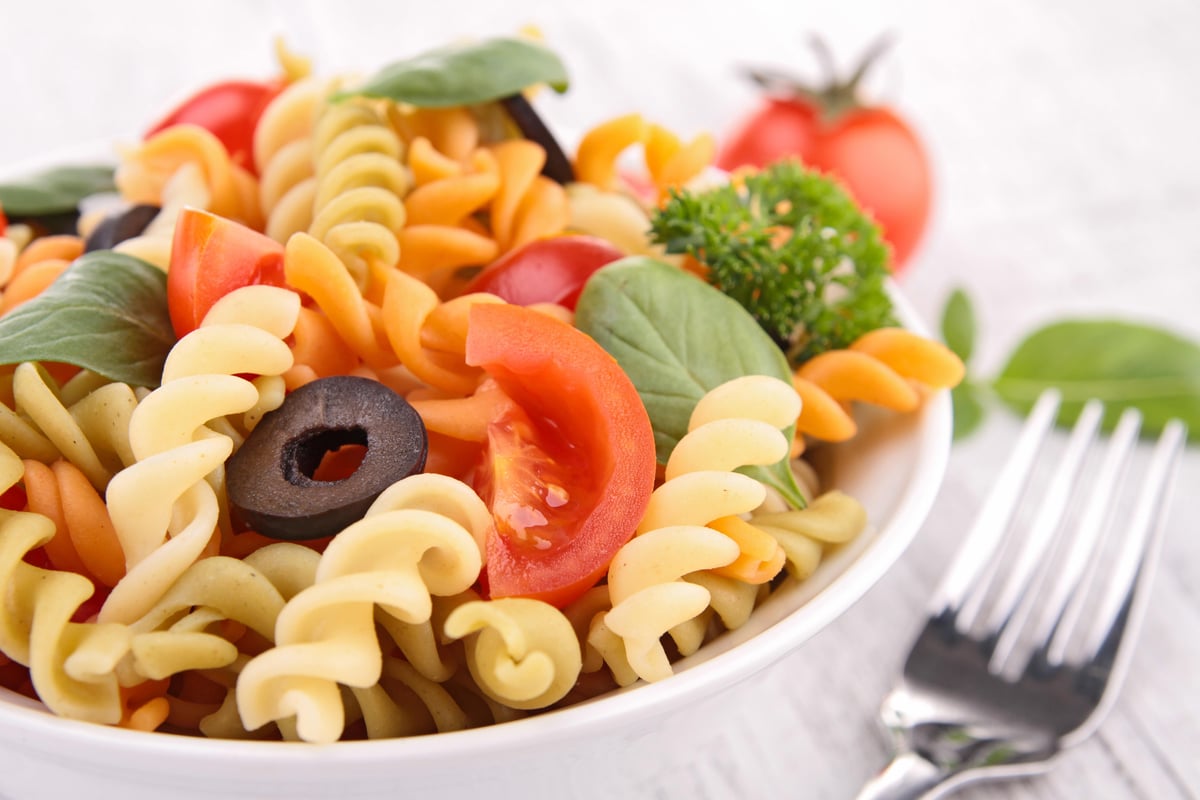
Significant protective impact of healthy diet only seen among White European women
THURSDAY, May 12, 2022 (HealthDay News) — Diet is consistently associated with gestational diabetes mellitus (GDM) risk in White European women, but not in other ethnic populations, according to a meta-analysis published online May 11 in PLOS Global Public Health.
Harriett Fuller, from the University of Leeds in the United Kingdom, and colleagues conducted a systematic literature review to examine the effects of unhealthy and healthy diets on GDM risk within distinct ethnic or cultural populations and geographic regions.
The researchers identified 38 studies with information on five population groups: White European (WE), Asian, Iranian, Mediterranean, and Australian. There were no associations observed between healthy diets and GDM incidence in randomized controlled trials (RCTs) in any population. In WE women, healthy diets reduced odds of GDM by 23 percent, while unhealthy diets increased odds of GDM by 61 percent. However, there were no consistent effects seen in other populations, even when adequately powered.
“Heterogenous use and reporting of ethnically and culturally appropriate diets and dietary assessment tools, particularly in RCTs, raises uncertainty regarding the lack of association found in non-WE populations,” the authors write. “Future studies require the use of culturally appropriate tools to confidently evaluate dietary and metabolic mediators of GDM and inform culturally-specific dietary prevention strategies.”
 Recommendations Issued for Use of Incretin-Based Meds in Pregnancy
  Pre-Prostate Biopsy MRI Use Increased From 2017 to 2026
  Eating More Ultraprocessed Foods Heightens Risk for Chronic Diseases
  Nutritional Deficiencies Seen in Youth Taking GLP-1 Receptor Agonists
 .jpg) Considerable Gaps Reported in Care for Youth With Opioid Use Disorder
Considerable Gaps Reported in Care for Youth With Opioid Use Disorder .jpg) Mortality Lowest at Hemoglobin Concentrations Above WHO Thresholds
Mortality Lowest at Hemoglobin Concentrations Above WHO Thresholds  Oral Vitamin C Active in Clonal Cytopenia of Undetermined Significance
  2009 to 2023 Saw Surge in Probiotic Supplement Use




.jpg)