


21.1 percent had incidental findings; in 3.7 and 0.2 percent, nonurgent and urgent referral, respectively, were recommended
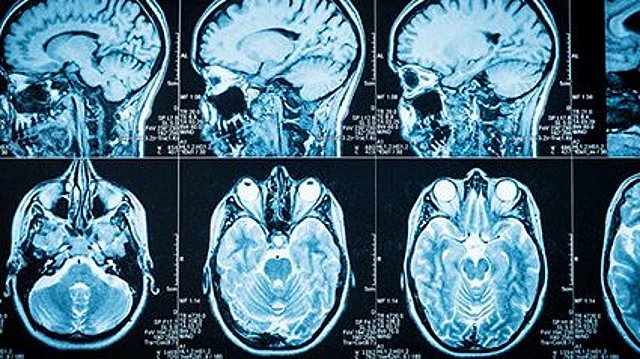
WEDNESDAY, March 31, 2021 (HealthDay News) — More than 20 percent of children have incidental findings (IFs) on brain magnetic resonance imaging (MRI) conducted at age 9 to 10 years, according to a study published online March 22 in JAMA Neurology.
Yi Li, M.D., from the University of California, San Francisco, and colleagues examined the overall prevalence of IFs in brain MRI in the nonclinical pediatric population using data for 11,810 children aged 9 to 10 years who were enrolled and completed baseline neuroimaging in the Adolescent Brain Cognitive Development study between Sept. 1, 2016, and Nov. 15, 2018. Baseline structural MRIs were reviewed for IFs and findings were described and categorized.
The researchers found that 11,679 children had interpretable baseline structural MRI results. Of these, 21.1 percent had IFs, including 17.2, 3.7, and 0.2 percent assigned to category 2 (no referral recommended), category 3 (consider referral), and category 4 (consider immediate referral), respectively. There was no significant difference noted in overall rates of IFs between singleton and twin gestations or between monozygotic and dizygotic twins; heritability for the presence or absence of IFs was seen in heritability analysis (h2 = 0.260).
“From examining brain MRIs in this large, demographically diverse sample of U.S. kids, now we know with good statistical reliability how common various brain abnormalities are in the general population,” a coauthor said in a statement.
Several authors disclosed financial ties to the medical device and medical technology industries; one author holds patents licensed to Siemens and General Electric.
Abstract/Full Text (subscription or payment may be required)
 Pre-Prostate Biopsy MRI Use Increased From 2017 to 2026
  Lower Vertebral Bone Mineral Density Linked to Cognitive Decline
  PET/MRI Offers Diagnostic, Prognostic Value in Pediatric Epilepsy
  Dense Breast Notification Linked to Increase in Use of Supplemental Ultrasound
 .jpg) Most Specialty Oral Anticancer Meds for Blood Cancers Are Initially Rejected by Insurers
Most Specialty Oral Anticancer Meds for Blood Cancers Are Initially Rejected by Insurers  Gap Found Between Awareness of Breast Cancer Risk and Risk-Reducing Behavior
  Exercise Intervention Linked to Improved Attention, Memory in Breast Cancer
  Mammography Trials Yield Excess-Incidence Patterns Consistent With Low Overdiagnosis



