


Risk of MRI global inflammation around thumb IP joint higher than in patients with undifferentiated inflammatory arthritis
THURSDAY, July 1, 2021 (HealthDay News) — Patients with psoriatic arthritis (PsA) more often have inflammation at the interphalangeal (IP) joint of the thumb compared to those with undifferentiated inflammatory arthritis (UIA), according to a study published online June 28 in the International Journal of Rheumatic Diseases.
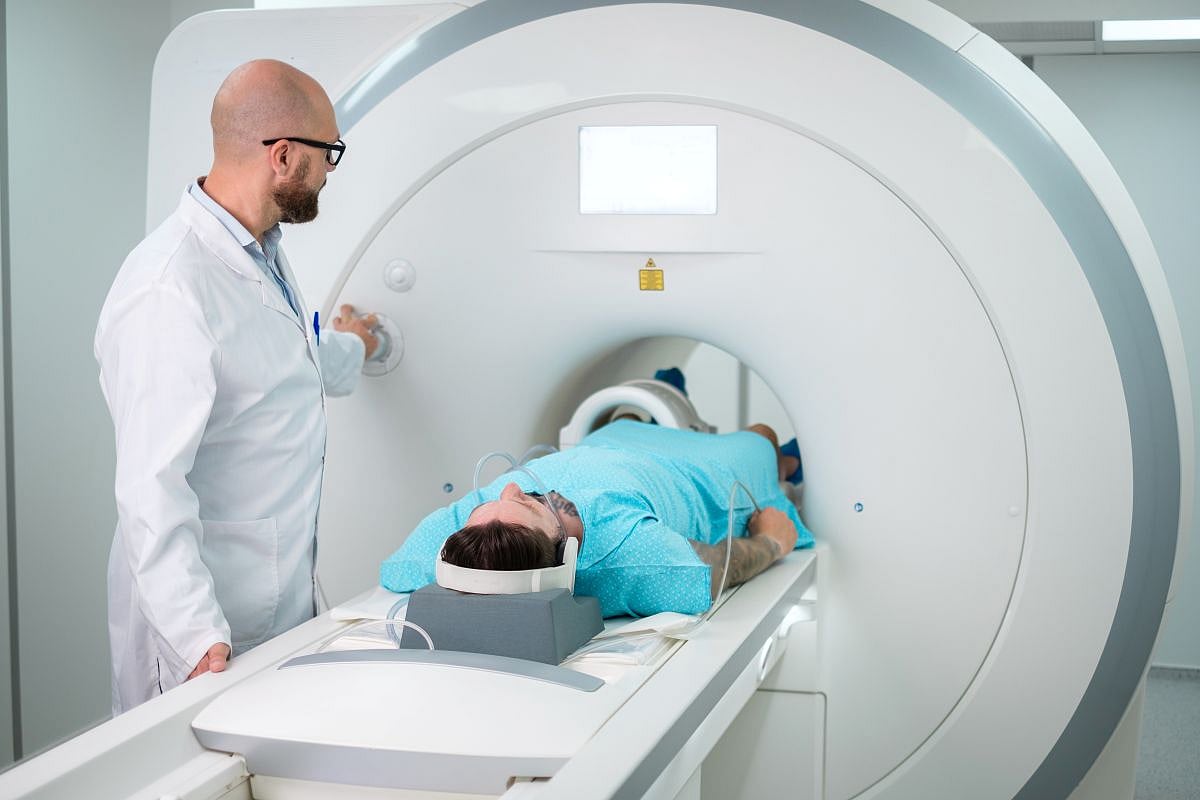
Ashish J. Mathew, M.B.B.S., D.M., from the Christian Medical College in Vellore, India, and colleagues compared inflammation at the IP joint of the thumb in 42 patients with PsA, 28 with rheumatoid arthritis (RA), 29 with UIA, and 62 psoriasis patients without clinical arthritis who had undergone magnetic resonance imaging (MRI) of the hands. Three independent readers assessed the presence or absence of MRI inflammatory lesions including synovitis, tenosynovitis, and bone marrow edema.
The researchers found that 33.3 percent of the PsA patients had global MRI inflammation at the IP joint of the thumb compared with 14.3 and 10.3 percent in RA and UIA, respectively. Of the psoriasis patients without clinical arthritis, 8.1 percent had subclinical MRI inflammation. The risk ratios of global MRI inflammation at the IP joint of the thumb were 2.3 (95 percent confidence interval, 0.86 to 6.36) and 3.2 (95 percent confidence interval, 1.02 to 10.21) for PsA patients compared with RA and UIA patients, respectively.
“Our present study has, therefore, validated a bedside clinical observation that can be used for early diagnosis of PsA and for differential diagnosis,” the authors write.
Abstract/Full Text (subscription or payment may be required)
 Holding DMARDs at Time of COVID-19 Vaccine Not Warranted in Those With Inflammatory Arthritis
  Pre-Prostate Biopsy MRI Use Increased From 2017 to 2026
  Age-, Joint-Specific Ultrasound Reference Values Set for Healthy Joints
 .jpg) ASH Issues Guidance on Serum Ferritin Thresholds for Diagnosing Iron Deficiency
ASH Issues Guidance on Serum Ferritin Thresholds for Diagnosing Iron Deficiency  Elevated C-Reactive Protein Linked to Increased Risk for Incident Heart Failure, All-Cause Mortality
  Nutritional Deficiencies Seen in Youth Taking GLP-1 Receptor Agonists
  Better Cardiovascular Health Inversely Linked to Overactive Bladder




