



Middle-aged and older adults with insomnia more likely to report memory decline over subsequent three years
FRIDAY, Sept. 23, 2022 (HealthDay News) — Insomnia may increase the likelihood of subjective memory decline in middle-aged and older adults, according to a study published online July 25 in SLEEP.
Jean-Louis Zhao, from the University of Montreal, and colleagues examined the longitudinal association between probable insomnia status and both subjective and objective memory decline in middle-aged and older adults (45 years and older). The analysis included 26,363 participants followed for three years.
The researchers observed an increased odds of self-reported memory worsening for participants free of insomnia at baseline who developed probable insomnia disorder at follow-up versus those who developed insomnia symptoms only or remained free of insomnia symptoms (odds ratio, 1.70). Increased odds also were observed for subjective memory worsening at follow-up among participants whose sleep worsened from baseline to follow-up (odds ratio, 1.22) versus those who remained insomnia-free or improved their sleep. On neuropsychological tests, there were no significant associations noted between the development of probable insomnia disorder or worsening sleep and performance.
“These findings of an increased odds for subjective memory decline in middle-aged and older adults with insomnia disorder suggest insomnia may be an important target for early interventions addressing age-related cognitive decline,” the authors write.
Several authors disclosed financial ties to pharmaceutical and health-related companies.
 Lower Cognitive Functioning During 60s Linked to Subsequent Stroke Risk
  Insomnia Linked to Increased Risk for Stroke, Odds of Admission
  Initial Rx Length Tied to Long-Term Use of Z-Drugs
  Menopausal Hormone Therapy Use Linked to Lower Risk for Alzheimer Disease
 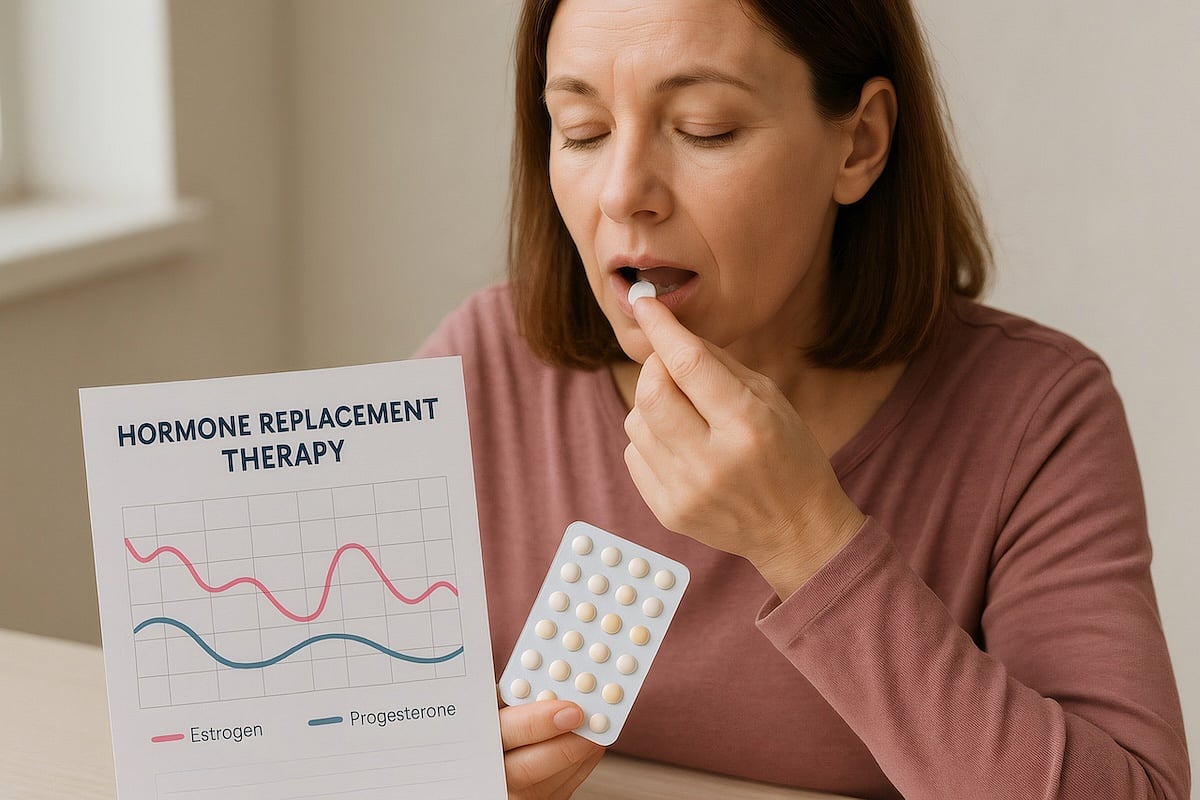 Oral Menopausal Hormone Therapy Linked to Venous Thromboembolic Risk
  Increased Dementia Risk Seen After Transient Ischemic Attack
  Nearly 3 in 4 Older Adults Express Interest in Vaccine to Prevent Dementia
  MHT Initiation May Reduce Cardiovascular Risk in Women With Vasomotor Symptoms




.jpg)