


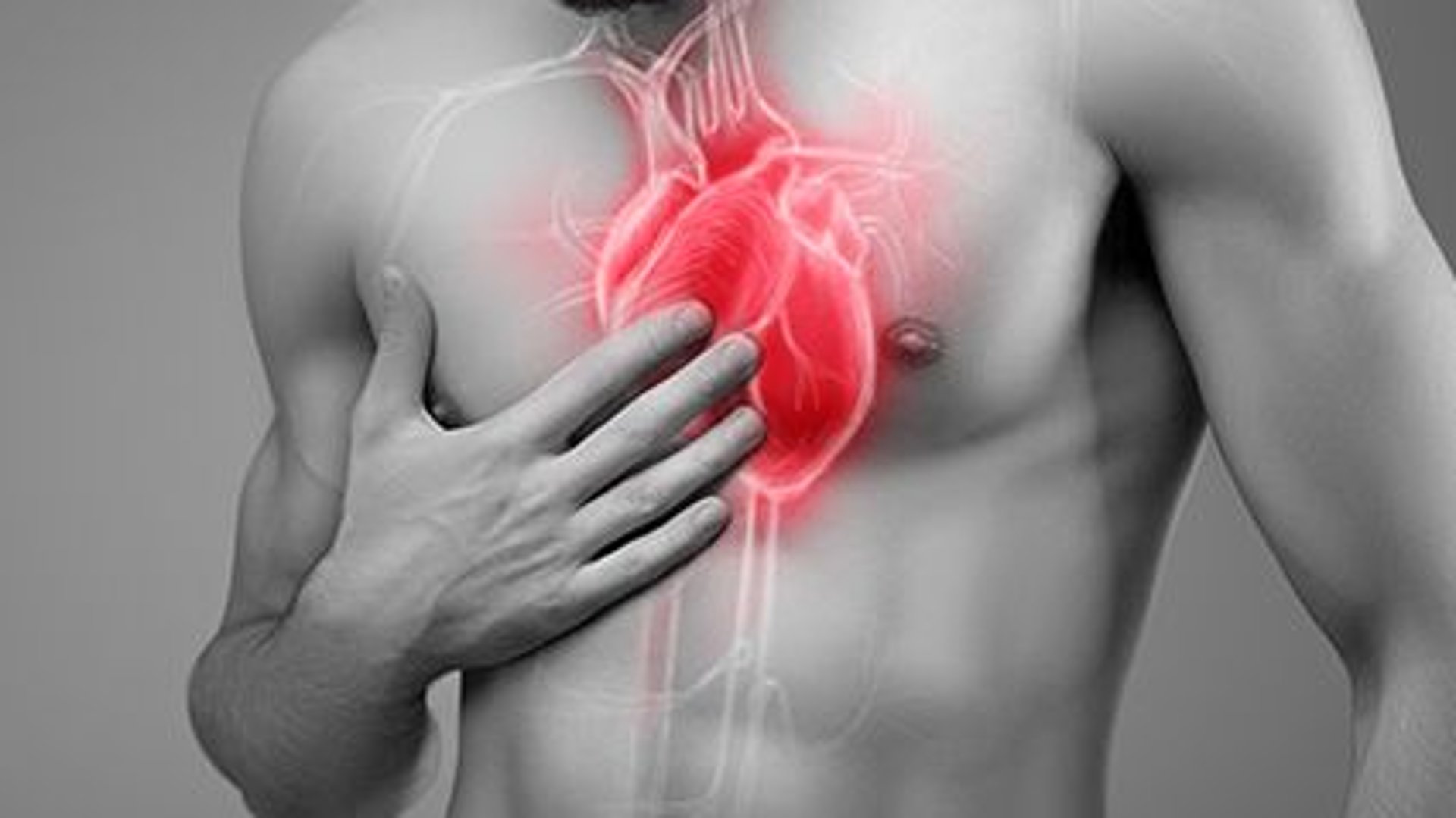
Greatest CAN prevention effect seen among type 2 diabetes patients without cardiovascular disease history
MONDAY, Dec. 21, 2020 (HealthDay News) — Cardiovascular autonomic neuropathy (CAN) risk may be reduced among type 2 diabetes patients undergoing intensive glycemic therapy, according to a study to be published in the January issue of Diabetes Care.
Yaling Tang, from Harvard University in Boston, and colleagues examined the effect of intensively treating traditional risk factors for CAN (hyperglycemia, hypertension, and dyslipidemia) among 7,275 individuals with type 2 diabetes and high cardiovascular risk participating in the Action to Control Cardiovascular Risk in Diabetes trial.
The researchers found that compared with standard intervention, intensive glucose treatment reduced CAN risk (odds ratio [OR], 0.84; 95 percent confidence interval [CI], 0.75 to 0.94; P = 0.003), an effect driven by individuals without cardiovascular disease (CVD) at baseline (OR, 0.73; 95 percent CI, 0.63 to 0.85; P < 0.0001) rather than those with CVD (OR, 1.10, 95 percent CI, 0.91 to 1.34, P = 0.34). CAN risk was decreased by intensive blood pressure (BP) intervention (OR, 0.75; 95 percent CI, 0.63 to 0.89; P = 0.001), particularly in patients 65 years of age and older (OR, 0.66; 95 percent CI, 0.49 to 0.88; P = 0.005). There was no significant effect observed between fenofibrate and CAN (OR, 0.91; 95 percent CI, 0.78 to 1.07; P = 0.26).
“The finding of possible heterogeneity in the effectiveness of intensive glycemic control based on CVD history, and of BP control based on age, may allow personalization of this treatment to maximize its cost-effectiveness,” the authors write.
Several authors disclosed financial ties to the pharmaceutical industry.
Abstract/Full Text (subscription or payment may be required)
.jpg) Pregnancy Complications Linked to Subsequent Risk for Cardiometabolic-Renal Conditions
Pregnancy Complications Linked to Subsequent Risk for Cardiometabolic-Renal Conditions  GLP-1 Receptor Agonists, SGLT-2is Slow Renal Function Decline in T2D With Albuminuria
  Genetics, Diabetes Tied to MASLD-Associated Cirrhosis Before Age 50
  Study IDs Risk Factors for Ketoacidosis in Adults With T2D Receiving SGLT2 Inhibitors
 .jpg) Most Specialty Oral Anticancer Meds for Blood Cancers Are Initially Rejected by Insurers
Most Specialty Oral Anticancer Meds for Blood Cancers Are Initially Rejected by Insurers  Drug Interactions Reducing Contraceptive Effectiveness Common in Epilepsy
  Holding DMARDs at Time of COVID-19 Vaccine Not Warranted in Those With Inflammatory Arthritis
  1 in 3 With Lupus Take Supplements, Medications With Potential for Interactions


