


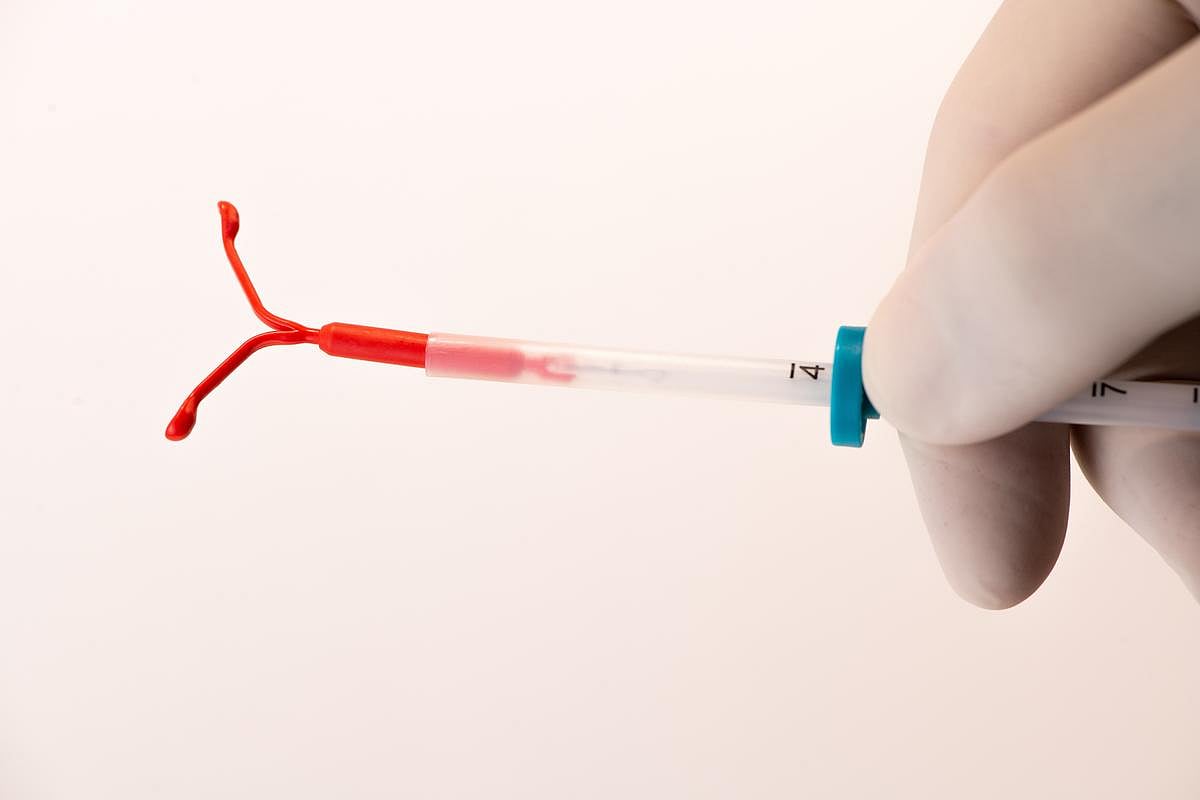
Percent of patients reporting tolerable pain increased with mepivacaine versus placebo
MONDAY, Sept. 21, 2026 (HealthDay News) — For patients undergoing intrauterine device (IUD) placement, intrauterine instillation of 10 mL of mepivacaine significantly reduces pain, according to a study published online Sept. 17 in the Journal of the American Medical Association.
Karin Elgemark, M.D., from the Karolinska Institutet in Stockholm, and colleagues conducted a randomized, placebo-controlled trial at 11 outpatient gynecology, maternal health, and youth clinics in Sweden to examine whether intrauterine instillation of mepivacaine reduces pain during IUD placement in nulliparous individuals aged 18 to 31 years. A total of 370 participants were randomly assigned to intrauterine instillation of 10 mL of mepivacaine (20 mg/mL) or sodium chloride (9 mg/mL) via a hydrosonography catheter two minutes before IUD placement (185 participants per group).
The researchers found that the mean pain score during IUD placement was 43.8 and 58.6 mm in the mepivacaine and placebo groups, respectively (mean difference, 14.8 mm). Similar results were yielded after adjustment for individual clinicians (mean difference, 14.2 mm). Tolerable pain was reported by 98.3 and 91.4 percent of participants in the mepivacaine and placebo groups, respectively (relative risk, 1.08; number needed to treat, 15).
“We can see that the method not only reduces pain, but also means that more people find the procedure acceptable,” coauthor Helena Kopp Kallner, M.D., Ph.D., also from the Karolinska Institutet, said in a statement.
Several authors disclosed ties to the biopharmaceutical industry.
Abstract/Full Text (subscription or payment may be required)
 Ultrasound-Guided Hydrodissection Yields Improvements in Carpal Tunnel
  Physical Therapist-Supervised Exercise Improves Outcomes After ACL Reconstruction
  2013 to 2024 Saw Decrease in Benzodiazepine Prescribing
  2016 to 2024 Saw Increase in Patients Using Medical Cannabis
  Financial Incentives Boost Tobacco Abstinence in Underserved Adults
  Nearly 1 in 10 Older Adults Used Cannabis in the Past Year
  Childhood Cancer Survivors Often Have Mental Distress in Adulthood
  Sugar Exposure in Early Life Linked to Anxiety in Adulthood
.jpg)



