


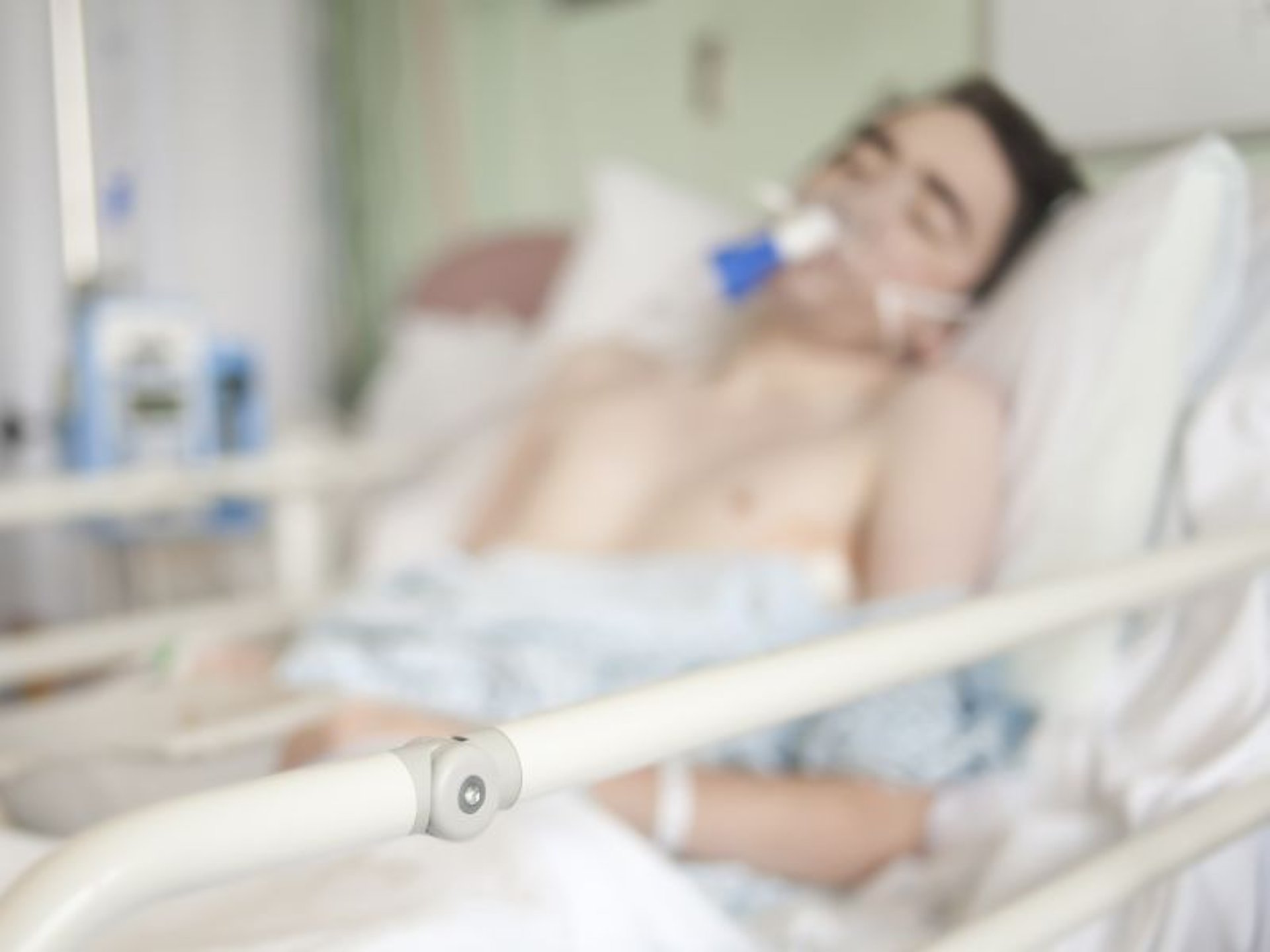
Treating, monitoring irritated skin may prevent pressure injuries
FRIDAY, Nov. 6, 2020 (HealthDay News) — Irritated skin is a risk factor for pressure injuries in surgical critical care patients, according to a study published in the Nov. 1 issue of the American Journal of Critical Care.
Jenny Alderden, Ph.D., from the University of Utah College of Nursing in Salt Lake City, and colleagues retrospectively reviewed medical records for 5,101 surgical critical care patients at a level I trauma center and academic medical center to identify factors associated with hospital-acquired pressure injuries among surgical critical care patients.
The researchers found that independent risk factors for hospital-acquired pressure injuries included skin irritation (rash or diffuse, nonlocalized redness; odds ratio, 1.788), minimum Braden Scale score (odds ratio, 0.858), and duration of intensive care unit stay before the pressure injury developed (odds ratio, 1.003).
“This study demonstrates the power of using informatics to analyze the vast amounts of data in electronic health records,” Alderden said in a statement. “Critical care nurses routinely conduct head-to-toe skin assessments every 12 hours and document changes in condition in the [electronic health record]. Modern informatics approaches enable us to more easily examine large-scale, real-world data available in the health record to gain insights and improve outcomes.”
 Withdrawal From Medetomidine Increasingly Seen in ICUs
  Congenital Ichthyosis Linked to Allergic Disorders
  Distinct Skin Microbiome Features Emerge Before Atopic Disease Onset in Infants
  Screening + Online Cognitive Behavioral Therapy Program Aids Nurses" Mental Health
  2013 to 2024 Saw Decrease in Benzodiazepine Prescribing
  Childhood Cancer Survivors Often Have Mental Distress in Adulthood
  Air Pollution Tied to Higher Risk for Suicide
  Psychiatrists Only Agree 55 Percent of the Time on Diagnoses


.jpg)

