Updated AAP policy says pasteurized dairy offers the same nutrition without the danger
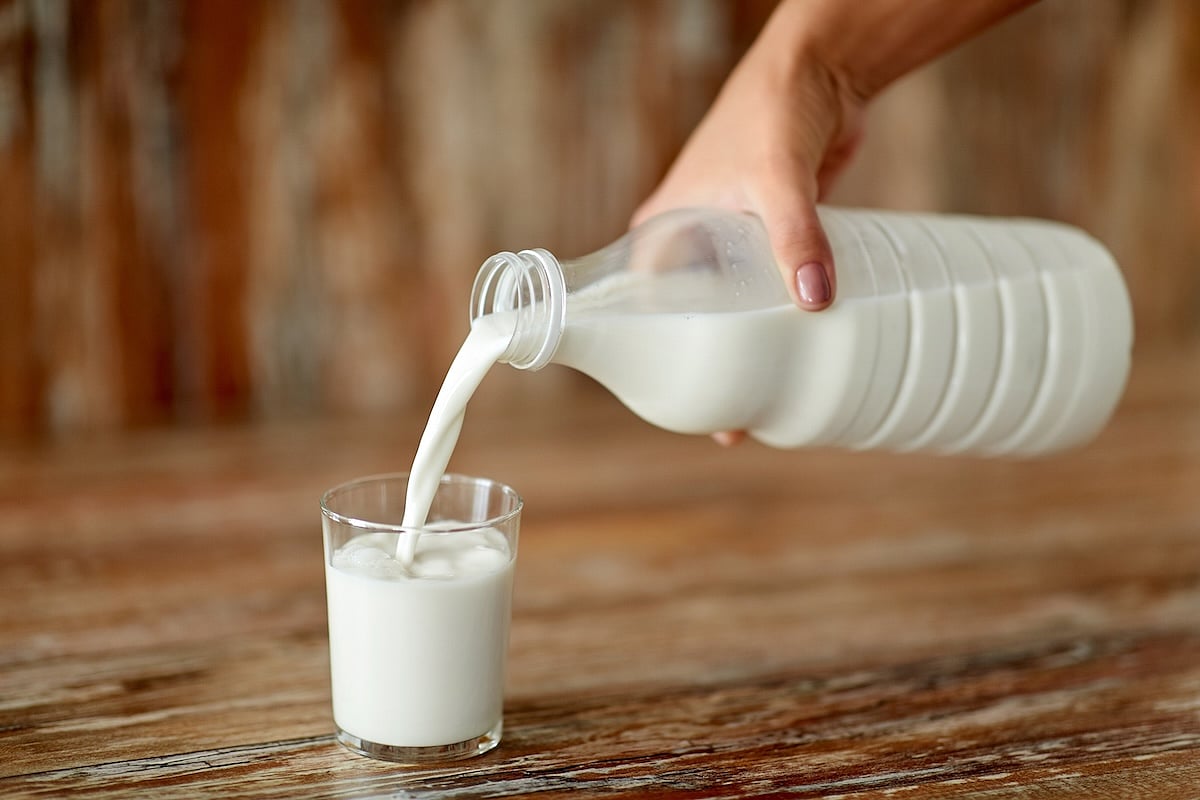
THURSDAY, Oct. 8, 2026 (HealthDay News) — Raw milk can make children and pregnant people seriously ill, and the nation”s pediatricians want families to know the risks.
The American Academy of Pediatrics (AAP) has updated its policy statement on unpasteurized, or “raw,” milk and the cheese, yogurt and other foods made from it. The statement will be published in the November issue of Pediatrics.
Pasteurization heats milk to a set temperature for a minimum amount of time. That heat kills bacteria, viruses and parasites that once made milk a leading source of food poisoning and infant deaths.
Some people think raw milk is heathier or less likely to trigger allergies. The AAP says those claims are false. Pasteurized milk provides the same protein, fat and vitamins.
Illness outbreaks tied to raw milk have become more common over the past 20 years. Children account for nearly half of those who get sick, the AAP says.
Raw milk can carry germs such as Salmonella, Listeria, Campylobacter and a type of E. coli that can cause hemolytic uremic syndrome, a serious complication more common in young children that can lead to kidney failure or death.
Babies, young children, pregnant people and anyone with a weakened immune system face the greatest danger.
During pregnancy, infections from raw dairy, including listeriosis and toxoplasmosis, can pass to the baby. Listeria can cause miscarriage or serious illness or death in a newborn, the U.S. Food and Drug Administration (FDA) warns. It can harm the baby even when the mother has no symptoms.
The updated policy also looks at bird flu. When the H5N1 virus spread through dairy cattle in 2024, it appeared in raw milk samples, and some farm workers got sick after being exposed on the job.
So far, illness from drinking infected milk has shown up only in animals. But the AAP still regards the chance of cows passing the virus to people through raw milk as a concern.
The FDA bans shipping raw milk across state lines, but some states allow local sales. Most single-state outbreaks happened where those sales are legal, the AAP says.
Dr. Anne Sardi, co-author of the policy statement, and Dr. Adam Ratner, member of the AAP Committee on Infectious Diseases, laid out next steps for pediatricians in AAP News.
They urge doctors to ask families about raw dairy as part of routine diet questions and steer them toward pasteurized products, including goat and sheep milk. The AAP also calls for state laws banning raw dairy sales.
For shoppers, the FDA offers simple advice:
-
Check labels for the word “pasteurized.” If it”s missing, the product may contain raw milk.
-
At farmers markets and roadside stands, skip milk, cheese and other dairy unless the seller can confirm it”s pasteurized.
Anyone who gets sick after having raw dairy, or who is pregnant and may have had it, should see a healthcare provider right away, the FDA advises.
More information
Visit the U.S. Food and Drug Administration for more information about the risks of raw milk.
SOURCES: American Academy of Pediatrics, AAP News, Oct. 5, 2026; U.S. Food and Drug Administration, May 30, 2024
 U.S. Poison Centers Save $3.1 Billion in Health Spending Annually
  FDA Now Providing Daily Updates on Adverse Events
  FDA Suspends U.S. License of Chikungunya Vaccine
  Instant Coffee Recalled Due to Possible Presence of Glass
  CDC, FDA Warn of Possible Salmonella Risk From Frozen Sprouted Beans
  FDA Plans to Revoke 52 Food Standards
  CDC, FDA Warn of Salmonella Outbreak Linked to Pistachio Cream
  FDA Launches Postmarket Chemical Review Program to Ensure Food Safety