


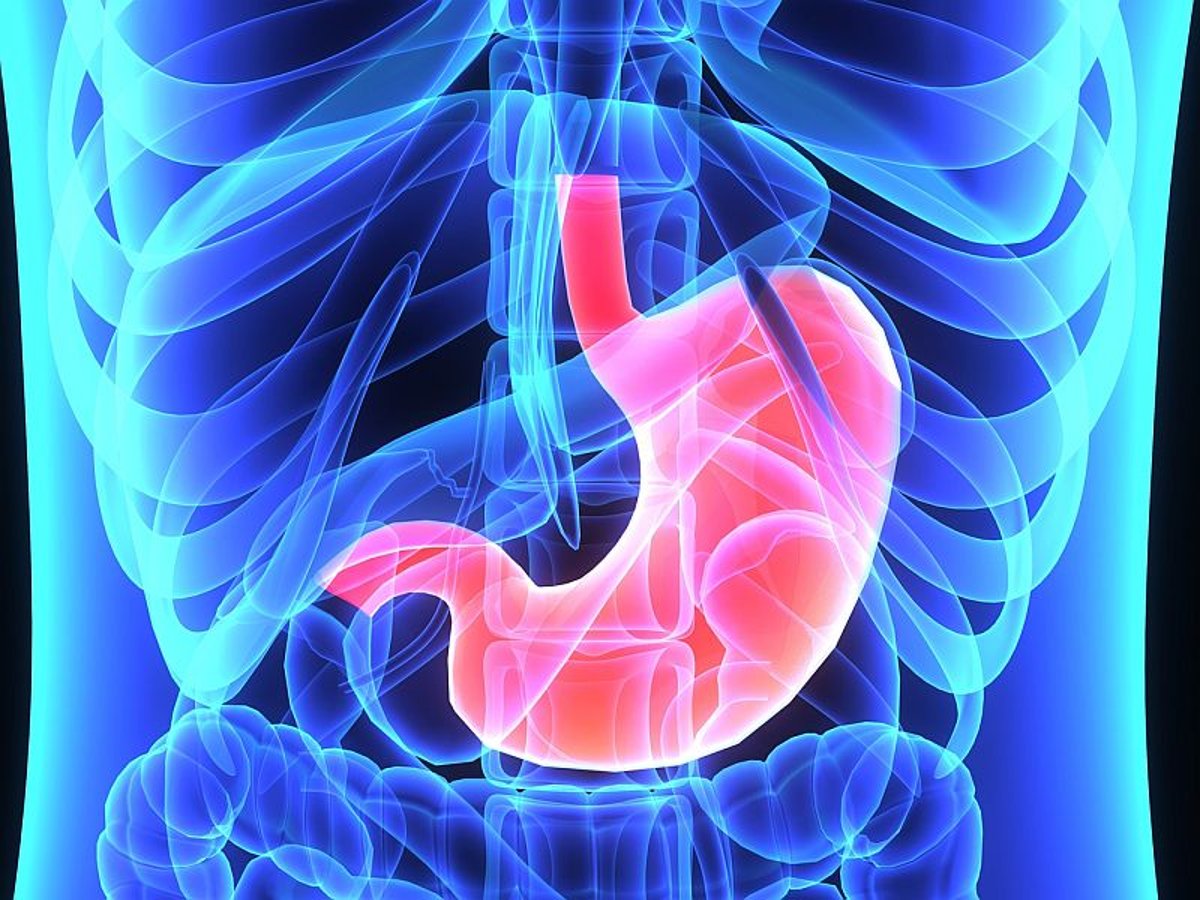
 More neoplastic lesions initially diagnosed in the examination group undergoing LCI first
TUESDAY, Oct. 20, 2020 (HealthDay News) — Linked color imaging (LCI) can detect neoplastic lesions in the upper gastrointestinal tract more frequently than white-light imaging (WLI), according to a study published online Oct. 20 in the Annals of Internal Medicine.
Shoko Ono, M.D., Ph.D., from Hokkaido University Hospital in Sapporo, Japan, and colleagues compared the performance of LCI with that of WLI in detecting neoplastic lesions in the upper gastrointestinal tract in a controlled multicenter trial with randomization using minimization. A total of 1,502 patients with known previous or current cancer of the gastrointestinal tract were included: 752 were assigned to the WLI group (WLI followed by LCI examination) and 750 were assigned to the LCI group (LCI followed by WLI).
The researchers found that the proportion of patients with one or more neoplastic lesions diagnosed in the first examination was higher with LCI than WLI (8.0 versus 4.8 percent; risk ratio, 1.67). The LCI group had a lower proportion with overlooked neoplasms compared with the WLI group (0.67 versus 3.5 percent; risk ratio, 0.19).
“This result indicates that many neoplastic lesions are being overlooked by conventional white light endoscopy performed in routine clinical practice. To reduce the rate of overlooking neoplasms, LCI should ideally be applied in clinical practice,” the authors write.
Abstract/Full Text (subscription or payment may be required)
 PET/MRI Offers Diagnostic, Prognostic Value in Pediatric Epilepsy
  People With ADHD Experience 50 Percent More GI Symptoms
  Relapse Rare After Appendiceal Adenocarcinoma Resection
  Odds of Imaging Order Higher When Clinicians Self-Interpret
  2013 to 2024 Saw Decrease in Benzodiazepine Prescribing
  Factors Identified in Disparities of Response to Patient Messages
  Physical Exams May Not Reliably Diagnose Pediatric Pneumonia
  Number of Health Care Workers Has Increased 198.5 Percent Since 1990


.jpg)

