


Lower baseline BMI and greater increase in BMI appear to be protective against postmenopausal bone loss
WEDNESDAY, Oct. 20, 2021 (HealthDay News) — Postmenopausal bone loss averaged about 10 percent during 25 years of follow-up in a random sample of women, according to a study published online Oct. 20 in the Journal of Bone and Mineral Research.
Anna Moilanen, from the University of Eastern Finland in Kuopio, and colleagues examined long-term changes in bone mineral density (BMD) after menopause in a random sample of 3,222 women from the Kuopio Osteoporosis Risk Factor and Prevention study, of whom 62.1 percent were postmenopausal at study initiation. These women underwent dual-energy X-ray absorptiometry measurements at the femoral neck every five years from baseline in 1989 and responded to questionnaires assessing risk factors at five-year intervals. The baseline cohort decreased to 686 women during the 25-year follow-up.
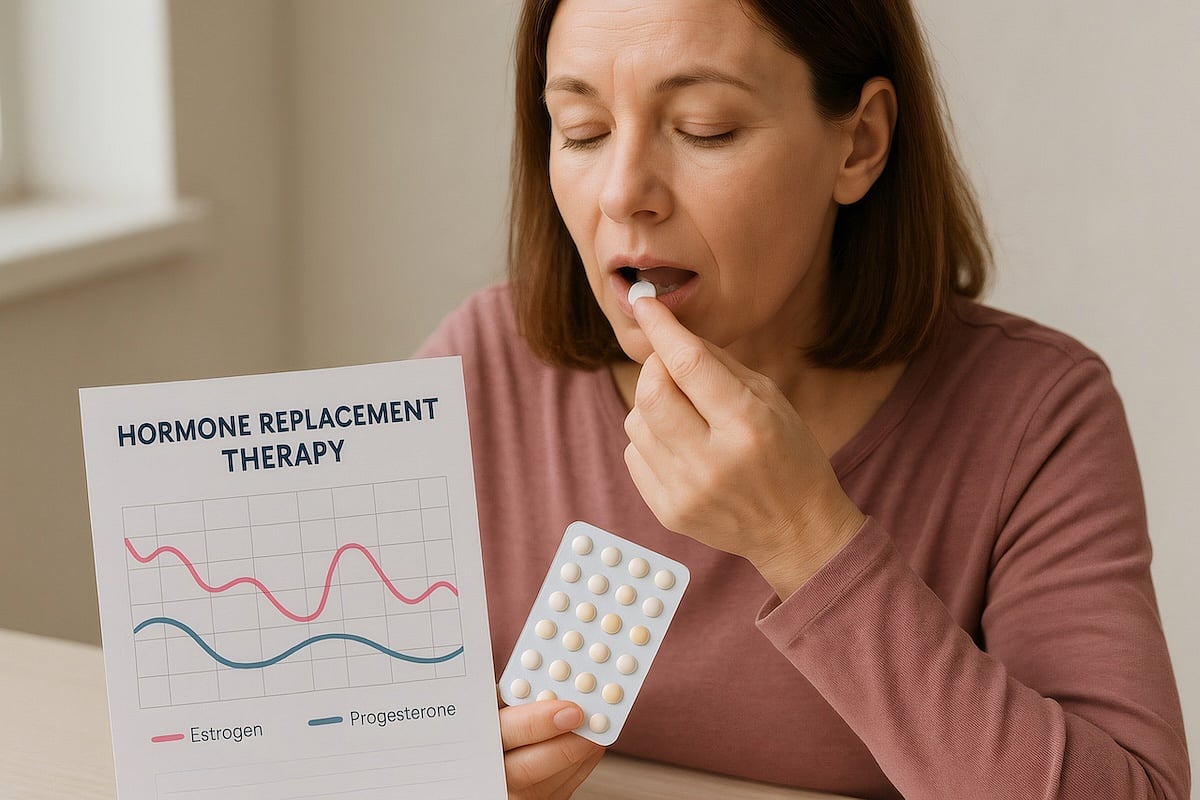
The researchers found that the mean 25-year change in BMD was −10.1 percent. Higher baseline BMD was associated with a higher rate of bone loss; the reductions in the highest and the lowest quartiles of BMD were 11.1 and 7.4 percent, respectively. Lower baseline body mass index (BMI) and a greater increase in BMI appeared to be protective against bone loss. There were 15.2 percent more hormone replacement therapy users in the lowest bone loss quartile versus the highest bone loss quartile.
“Postmenopausal bone loss was found to be constant and appeared to be approximately 10 percent over 25 years,” the authors write. “Our findings suggest significantly lower bone loss in postmenopausal women than previously suggested.”
 Oral Menopausal Hormone Therapy Linked to Venous Thromboembolic Risk
  Age-, Joint-Specific Ultrasound Reference Values Set for Healthy Joints
  Lower Vertebral Bone Mineral Density Linked to Cognitive Decline
  MHT Initiation May Reduce Cardiovascular Risk in Women With Vasomotor Symptoms
  Pre-Prostate Biopsy MRI Use Increased From 2017 to 2026
  Longer Reproductive Lifespan Tied to Lower Bronchiectasis Risk in Postmenopausal Women
  Midlife Onset of Increasing Pulse Pressure Not Linked to Menopause
  Residential Context Has Larger Impact on Ovarian Cancer Survival in Black Women




.jpg)