


Authors say low-field portable magnetic resonance imaging may be useful in resource-limited settings
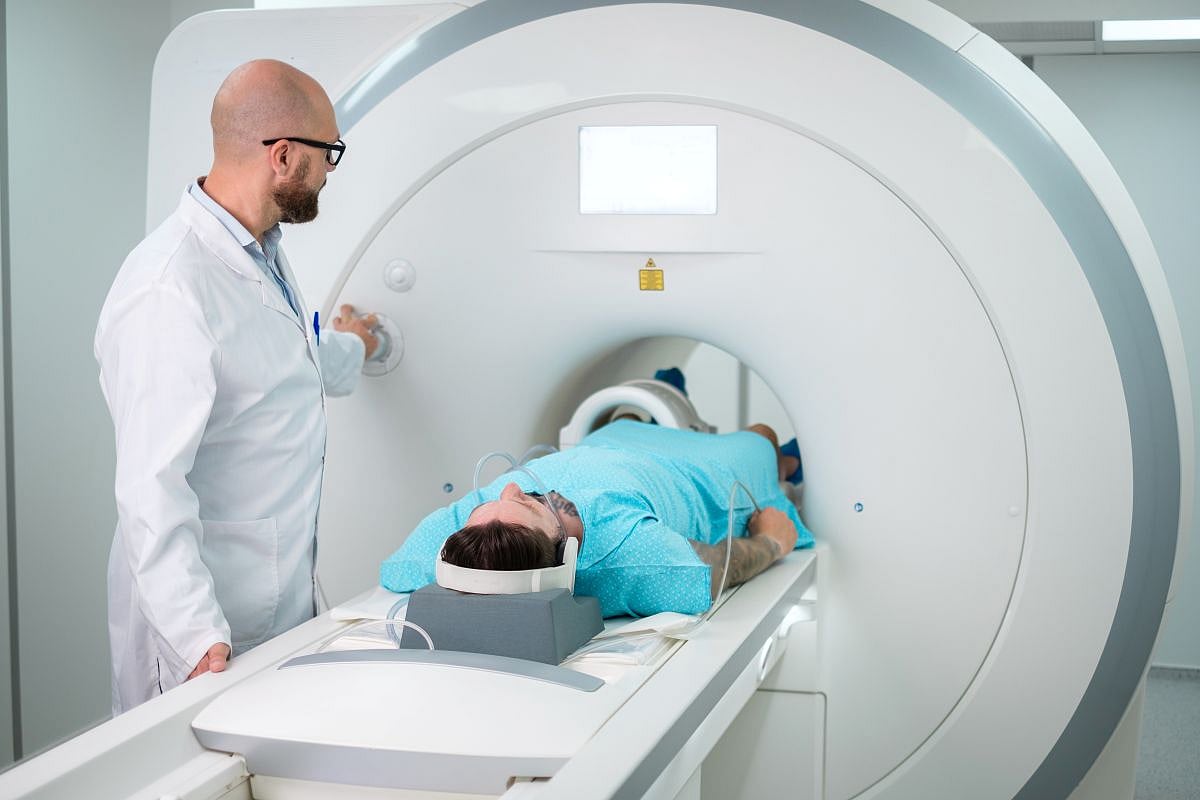
WEDNESDAY, Sept. 1, 2021 (HealthDay News) — Low-field portable magnetic resonance imaging (pMRI) has a sensitivity of 80.4 percent for detecting intracerebral hemorrhages (ICHs), according to a study published online Aug. 25 in Nature Communications.
Mercy H. Mazurek, from the Yale School of Medicine in New Haven, Connecticut, and colleagues examined use of a low-field MRI (0.064 T) for evaluation of ICH. Patients were imaged using conventional neuroimaging (noncontrast computed tomography or 1.5/3 T MRI) or pMRI from July 2018 to November 2020. A total of 144 pMRI examinations (56 ICH, 48 acute ischemic stroke, and 40 healthy controls) were examined by two neuroradiologists; cases of disagreement were reviewed by an ICH imaging core lab researcher.
The researchers found that ICH was correctly detected in 45 of 56 cases (80.4 percent sensitivity). In 85 of 88 cases, blood-negative cases were identified (96.6 percent specificity). There was an association for manually segmented hematoma volumes and ABC/2 estimated volumes on pMRI with conventional imaging volume. For manual and ABC/2 volumes, hematoma volumes measured on pMRI were associated with the National Institutes of Health stroke scale and clinical outcome at discharge.
“There is no question this device can help save lives in resource-limited settings, such as rural hospitals or developing countries,” a coauthor said in a statement. “It is of critical importance to continue to collect more data across a range of stroke characteristics so that we can maximize the potential benefit of this approach.”
Several authors disclosed financial ties to the biopharmaceutical and medical technology industries, including Hyperfine Research, which partially funded the study.
 Pre-Prostate Biopsy MRI Use Increased From 2017 to 2026
  Lower Cognitive Functioning During 60s Linked to Subsequent Stroke Risk
  Insomnia Linked to Increased Risk for Stroke, Odds of Admission
  Lower Vertebral Bone Mineral Density Linked to Cognitive Decline
  Age-, Joint-Specific Ultrasound Reference Values Set for Healthy Joints
  Polypharmacy of Prescription Medications Increased for U.S. Older Adults
  Nearly 1 in 10 Older Adults Used Cannabis in the Past Year
  Pharmacist-Led Med Review Improves Medication Quality in Older Patients With Cancer




.jpg)