


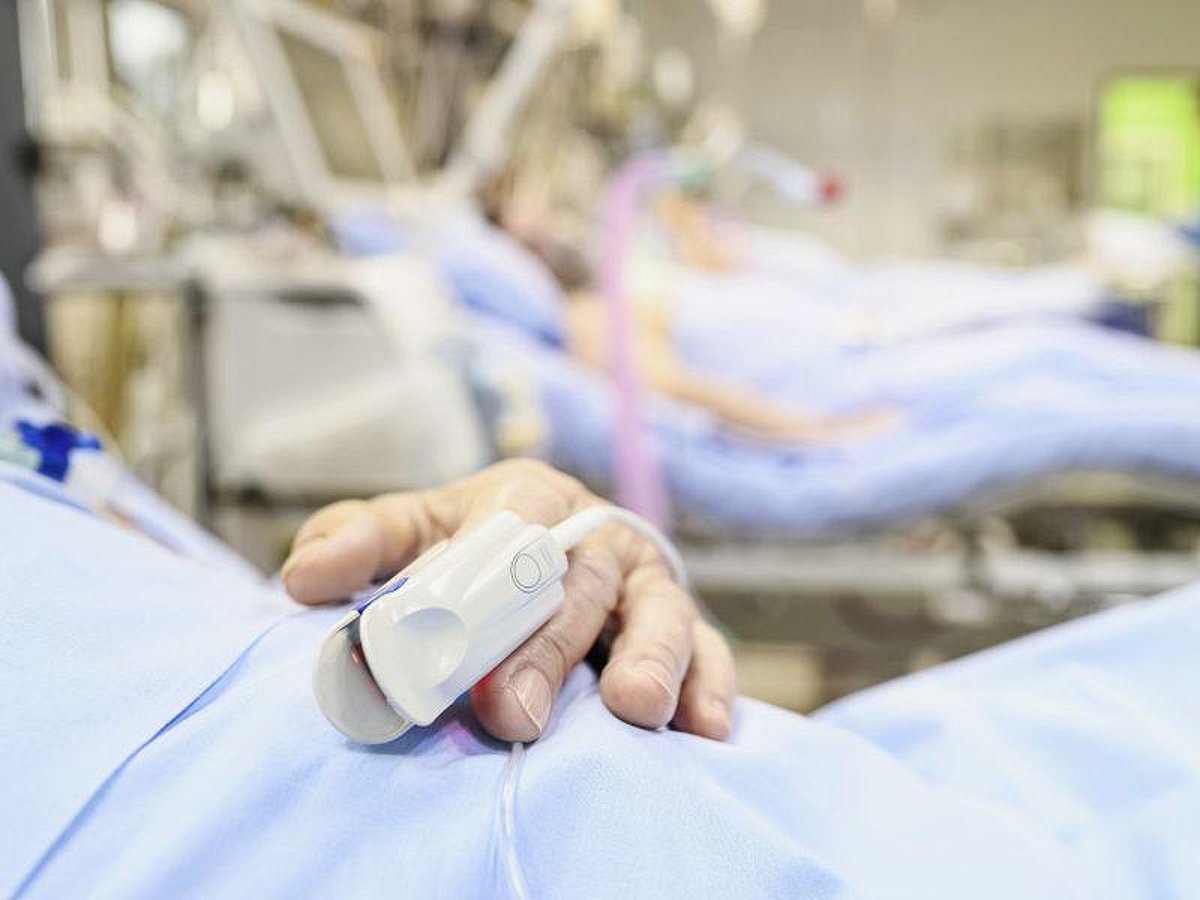
Findings show no difference in mortality for lower-, higher-oxygenation target in adults with acute hypoxemic respiratory failure
MONDAY, Jan. 25, 2021 (HealthDay News) — For adult patients with acute hypoxemic respiratory failure, mortality is similar with a lower- or higher-oxygenation target, according to a study published online Jan. 20 in the New England Journal of Medicine.
Olav L. Schjørring, M.D., Ph.D., from Aalborg University Hospital in Denmark, and colleagues randomly assigned 2,928 adults who had recently been admitted to the intensive care unit with acute hypoxemic respiratory failure to receive oxygen therapy targeting a partial pressure of arterial oxygen of either 60 mm Hg or 90 mm Hg (lower- and higher-oxygenation groups [1,441 and 1,447 patients, respectively]) for a maximum of 90 days.
The researchers found that at 90 days, 42.9 and 42.4 percent of patients in the lower- and higher-oxygenation groups had died (adjusted risk ratio, 1.02; 95 percent confidence interval, 0.94 to 1.11; P = 0.64). There was no significant difference between the groups at 90 days in the percentage of days that patients were alive without life support or in the percentage of days alive after hospital discharge. The two groups had similar percentages of patients with new episodes of shock, myocardial ischemia, ischemic stroke, or intestinal ischemia (P = 0.24).
“Our findings lend weight to the utility of conservative oxygen therapy in patients with acute hypoxemic respiratory failure,” the authors write.
Several authors disclosed financial ties to the pharmaceutical industry.
Abstract/Full Text (subscription or payment may be required)
 Lung Ultrasound Predicts Progression of Interstitial Lung Abnormalities in RA
 Withdrawal From Medetomidine Increasingly Seen in ICUs
 Longer Reproductive Lifespan Tied to Lower Bronchiectasis Risk in Postmenopausal Women
 Adenotonsillectomy Tied to Increase in Respiratory Tract Infections in Children
 Adoption of Emergency General Surgery Verification Program Is Beneficial
 Local Recurrence Rate Low After R0 Resection of Soft Tissue Sarcoma Tumors
 Postoperative Complications Elevated for Patients With Systemic Lupus Erythematosus
 Implant, Patient Survival Do Not Differ for Robotic and Conventional Total Joint Replacement

.jpg)


