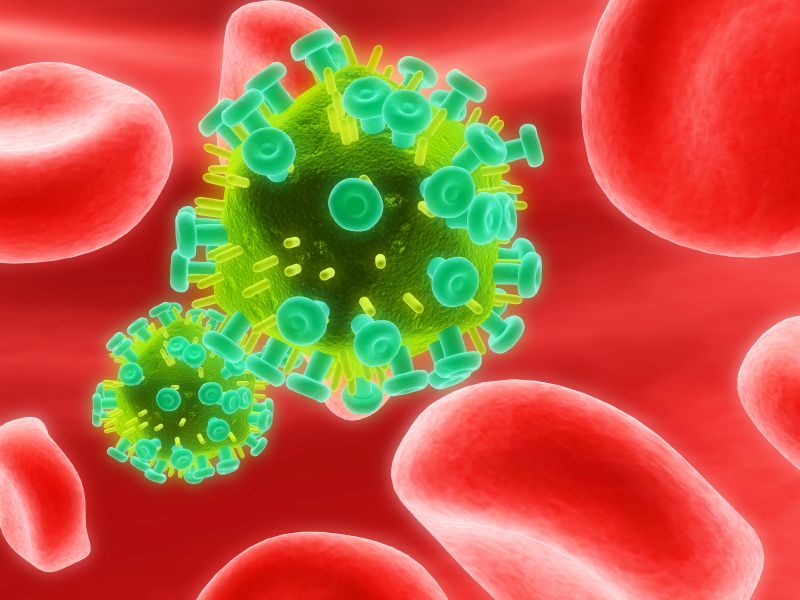
 Population-based study in Tanzania shows lymphatic filariasis is an independent risk factor for HIV infection
THURSDAY, Aug. 4, 2016 (HealthDay News) — Lymphatic filariasis, a chronic helminth disease elicited by Wuchereria bancrofti, is associated with increased incidence of HIV infection, according to a study published online Aug. 2 in The Lancet.
Inge Kroidl, M.D., from the Medical Center of the University of Munich, and colleagues conducted a population-based cohort study to examine the incidence of HIV in participants from southwest Tanzania with or without lymphatic filariasis. All household members were followed-up and tested for HIV and circulating filarial antigen, which is an indicator of W. bancrofti adult worm burden.
The researchers enrolled 4,283 households with about 18,000 participants between May 29, 2006, and June 16, 2011. Thirty-two new HIV infections were observed in 2,626 person-years among the 1,055 initially HIV-negative adolescents and adults with clearly defined lymphatic filariasis status. HIV incidence was significantly higher in lymphatic filariasis-positive versus lymphatic filariasis-negative participants (1.91 versus 0.80 cases per 100 person-years), for an age- and sex-adjusted incidence rate ratio of 2.17. After adjustment for other known risk factors such as sexual behavior and socioeconomic factors, lymphatic filariasis status remained an independent and significantly relevant risk factor for HIV infection.
“To our knowledge, this is the first prospective study demonstrating a significantly increased risk of acquiring HIV for lymphatic filariasis-infected individuals,” the authors write. “Immunological studies and interventional treatment studies that eliminate the adult worms and not only the microfilariae are needed to follow up on the results presented.”
Full Text (subscription or payment may be required)
Editorial (subscription or payment may be required)
 FDA Could Ease Blood Donation Rules for Gay Men
  Another Significant HIV Vaccine Trial Fails
  Women Experiencing Intimate Partner Violence More Likely to Contract HIV
  Cognitive Behavioral Intervention Ups ART Adherence in Adolescents, Young Adults
  December 2024 to 2025 Saw Significant Increase in Leucovorin Dispensing
  Digital Behavioral Health Game Reduces Depressive Symptoms in Teens
  Dexrazoxane Offers Lasting Doxorubicin Cardioprotective Effect in Childhood Cancer Survivors
 .jpeg) Flu Treatment With Oseltamivir Linked to Reduced Risk for Pediatric ICU Admissions, Length of Stay
Flu Treatment With Oseltamivir Linked to Reduced Risk for Pediatric ICU Admissions, Length of Stay