


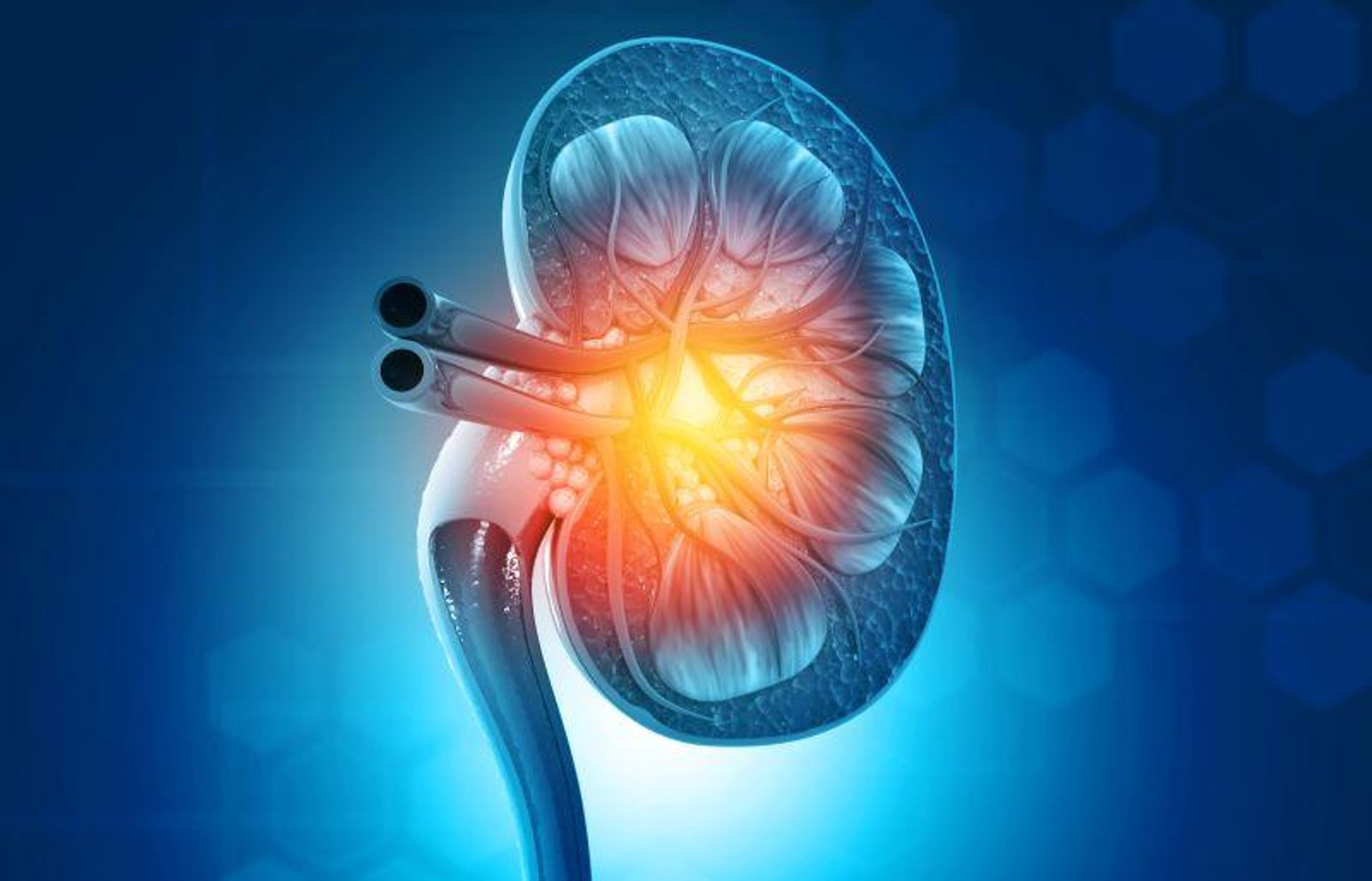
Outcomes after transplant better with machine perfusion, combination therapy than with therapeutic hypothermia among brain-dead kidney donors
THURSDAY, Feb. 2, 2023 (HealthDay News) — For brain-dead organ donors, therapeutic hypothermia is inferior to machine perfusion of the kidneys for reducing delayed graft function after transplantation, according to a study published in the Feb. 2 issue of the New England Journal of Medicine.
Darren Malinoski, M.D., from the Oregon Health & Science University in Portland, and colleagues randomly assigned brain-dead kidney donors to undergo therapeutic hypothermia, ex-situ hypothermic machine perfusion, or both to examine the impact on outcomes after kidney transplantation. A total of 1,349 kidneys from 725 enrolled donors were transplanted: 359, 511, and 479 kidneys in the hypothermia, machine-perfusion, and combined-therapy groups, respectively.
The researchers found that delayed graft function occurred in 30, 19, and 22 percent of patients in the hypothermia, machine-perfusion, and combined-therapy groups, respectively. The adjusted risk ratios for delayed graft function were 1.72 (95 percent confidence interval, 1.35 to 2.17) and 1.57 (95 percent confidence interval, 1.26 to 1.96) for hypothermia versus machine perfusion and combined therapy, respectively, and 1.09 (95 percent confidence interval, 0.85 to 1.40) for combination therapy versus machine perfusion. The frequency of graft survival was similar in the three groups at one year.
“We found that machine perfusion of kidneys obtained from brain-dead donors provided better protection against delayed graft function than targeted mild hypothermia alone,” the authors write.
The study was funded by a grant from Arnold Ventures.
Abstract/Full Text (subscription or payment may be required)
 GLP-1 Receptor Agonists, SGLT-2is Slow Renal Function Decline in T2D With Albuminuria
  Early Complications Common in Older Kidney Transplant Recipients
 .jpeg) 1997 to 2022 Saw Increase in Pediatric Hospitalizations With AKI
1997 to 2022 Saw Increase in Pediatric Hospitalizations With AKI  Frailty Linked to Incident Cognitive Decline in Men With CKD
  UACR, UPCR Provide Indistinguishable Prognostic Information in CKD
 .jpg) Recommendations Updated for Management of Anemia in CKD
Recommendations Updated for Management of Anemia in CKD  More Advanced CKM Syndrome Linked to Worse Cardiovascular Health
  Biomarkers Plus Kidney Donor Profile Index Improve Prediction of Concordant Allograft Outcomes



.jpg)