



However, no corresponding increase seen in mental health treatment
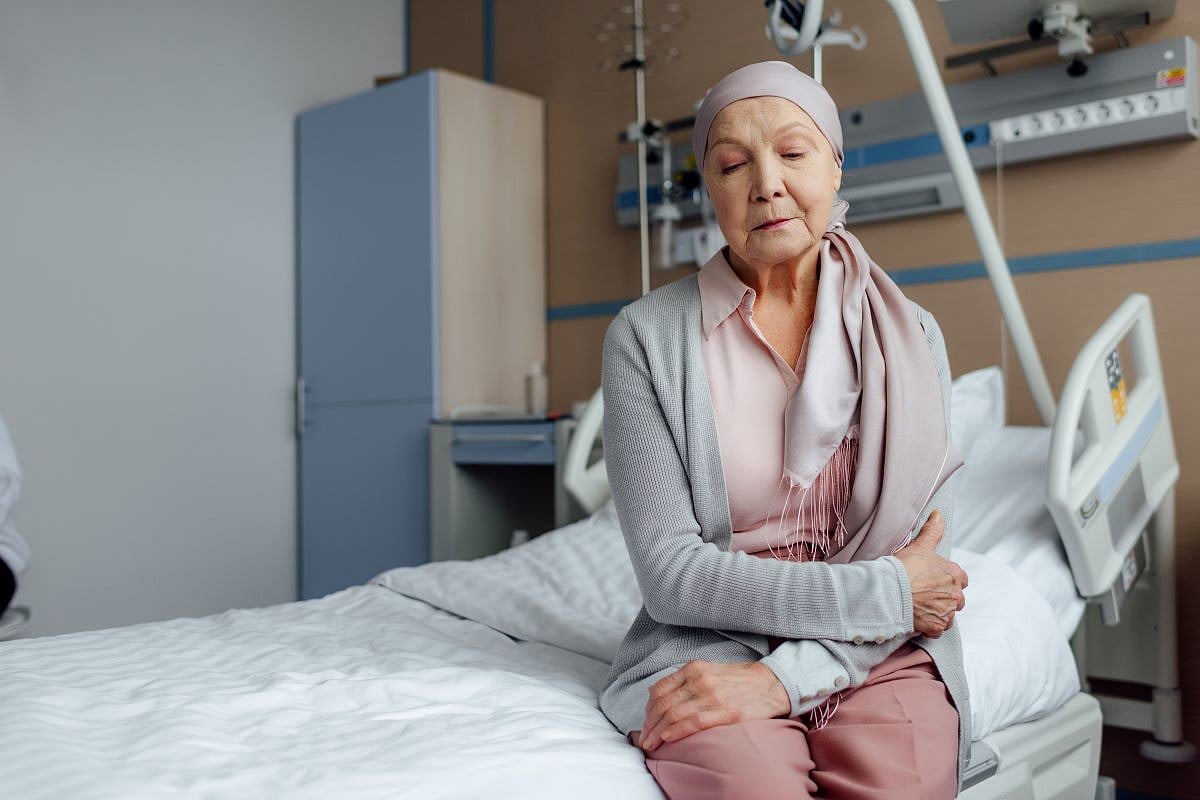
THURSDAY, Sept. 29, 2022 (HealthDay News) — The prevalence of depression is increasing among older adults, but there has not been a proportional increase in mental health treatment, according to a study published online Sept. 9 in the Journal of Affective Disorders.
Kevin H. Yang, M.D., from the University of California in San Diego, and colleagues used data from 31,502 participants in the U.S. National Survey on Drug Use and Health (2010 to 2019) to examine trends in depression and mental health treatment among older adults (aged 65 years and older).
The researchers found that during the study period, the estimated prevalence of past-year major depressive episodes among older adults increased from 2.0 to 3.2 percent, a 60 percent increase. Increases were identified among men, White individuals, widows, individuals with an annual household income of <$20,000 or $20,000 to $49,000, and those with a college degree. There were no significant changes observed for any form of past-year mental health treatment among those with a major depressive episode.
“These findings call for urgent expansion of treatment services and training of mental health professionals with expertise in older adults to meet the needs of this growing, vulnerable population,” the authors write.
Abstract/Full Text (subscription or payment may be required)
 Better Youth Fitness May Lower Risk for Depression in Adulthood
 .jpg) Pregnancy Complications Linked to Subsequent Risk for Cardiometabolic-Renal Conditions
Pregnancy Complications Linked to Subsequent Risk for Cardiometabolic-Renal Conditions  Lower Cognitive Functioning During 60s Linked to Subsequent Stroke Risk
  Nearly 1 in 10 Older Adults Used Cannabis in the Past Year
  Polypharmacy of Prescription Medications Increased for U.S. Older Adults
  2016 to 2024 Saw Increase in Patients Using Medical Cannabis
  Lower Vertebral Bone Mineral Density Linked to Cognitive Decline
  Pharmacist-Led Med Review Improves Medication Quality in Older Patients With Cancer
 .jpg)




