


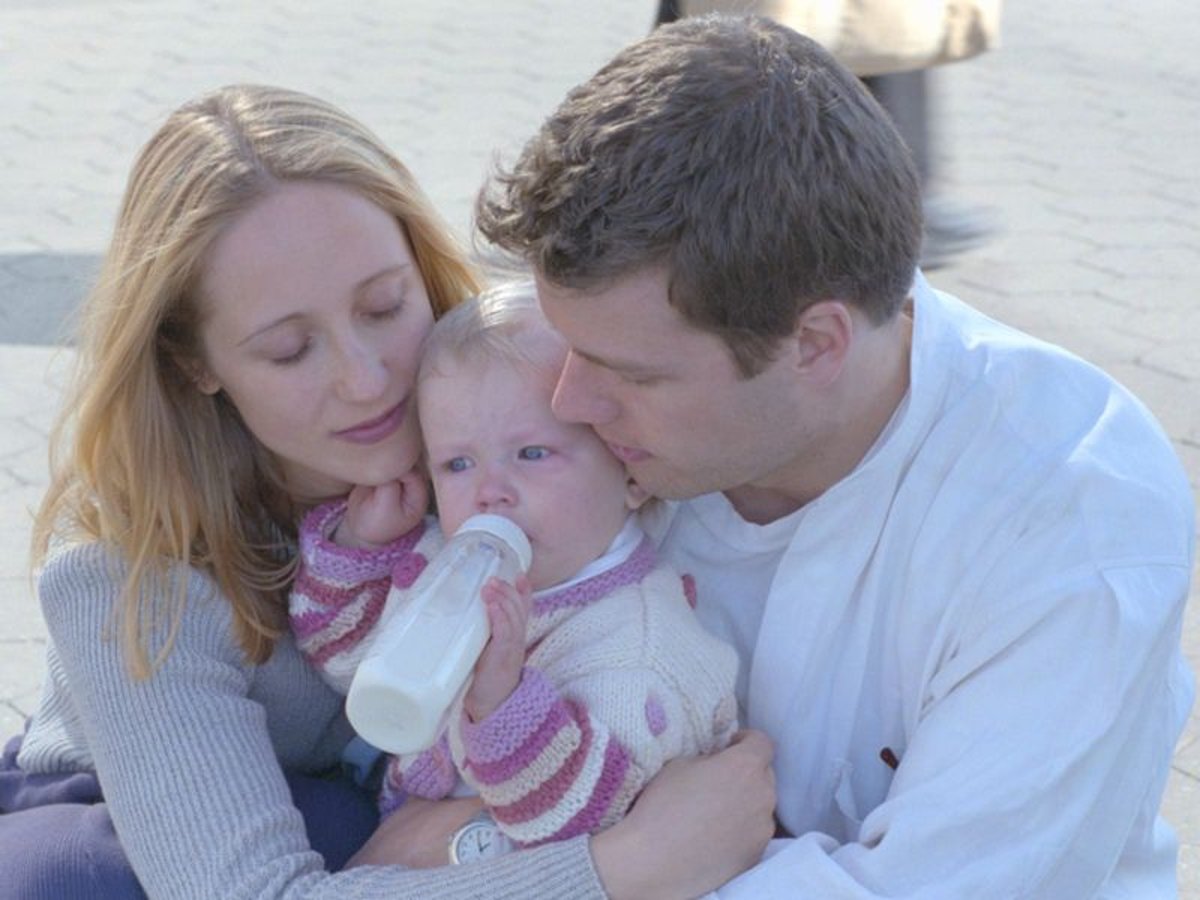
 By the time the child is 6 years old, mother’s and father’s history present similar risk
MONDAY, July 13, 2020 (HealthDay News) — In early life, maternal history of allergies and asthma confers a stronger effect on a child’s risk for developing the same traits compared with the father’s history, according to a study published online July 7 in Clinical & Experimental Allergy.
Ann-Marie Malby Schoos, M.D., Ph.D., from the University of Copenhagen in Denmark, and colleagues investigated parent-specific effects on risk for developing allergic sensitization and asthma in childhood using data from 685 parent-child trios participating in the Copenhagen Prospective Studies on Asthma in Childhood 2010.
The researchers found that maternal elevated specific immunoglobulin (Ig)E increased the child’s risk for elevated specific IgE from 0 to 6 years compared with paternal IgE (adjusted odds ratio [aOR] for mother, 1.49 [95 percent confidence interval (CI), 1.09 to 2.03; P = 0.01]; aOR for father, 1.32 [95 percent CI, 0.96 to 1.82; P = 0.08]). There was also an association seen between maternal elevated total IgE and increased child’s risk for elevated total IgE (aOR, 4.32; 95 percent CI, 1.51 to 10.8; P < 0.01), and a trend was seen for paternal total IgE (aOR, 2.01; 95 percent CI, 0.76 to 4.82; P = 0.13). The maternal effect was strongest in early life, whereas at age 6 years, the parental effects were comparable. A similar pattern was seen for the child’s risk for asthma.
“This suggests that maternal nongenetic factors seem to confer an added disease risk to the child, particularly in early life,” the authors write.
Abstract/Full Text (subscription or payment may be required)
 Distinct Skin Microbiome Features Emerge Before Atopic Disease Onset in Infants
  Higher Parental Vitamin B12 Tied to Lower Prevalence of Birth Defects
  Adult Children of Divorced, Unmarried Parents Face More Mental Health Issues
  Barriers to Pediatric Cancer Clinical Trial Participation Identified
  Pediatricians Report Immigrant Families Avoiding Care for Their Children
  2021 to 2025 Saw Reduction in Burnout Indicators Among Pediatricians
  Physical Exams May Not Reliably Diagnose Pediatric Pneumonia
  Many Young Adults Not Prepared to Manage Their Own Health Care



.jpg)