Increased odds seen for giving birth to a child diagnosed with congenital heart disease within five years of birth
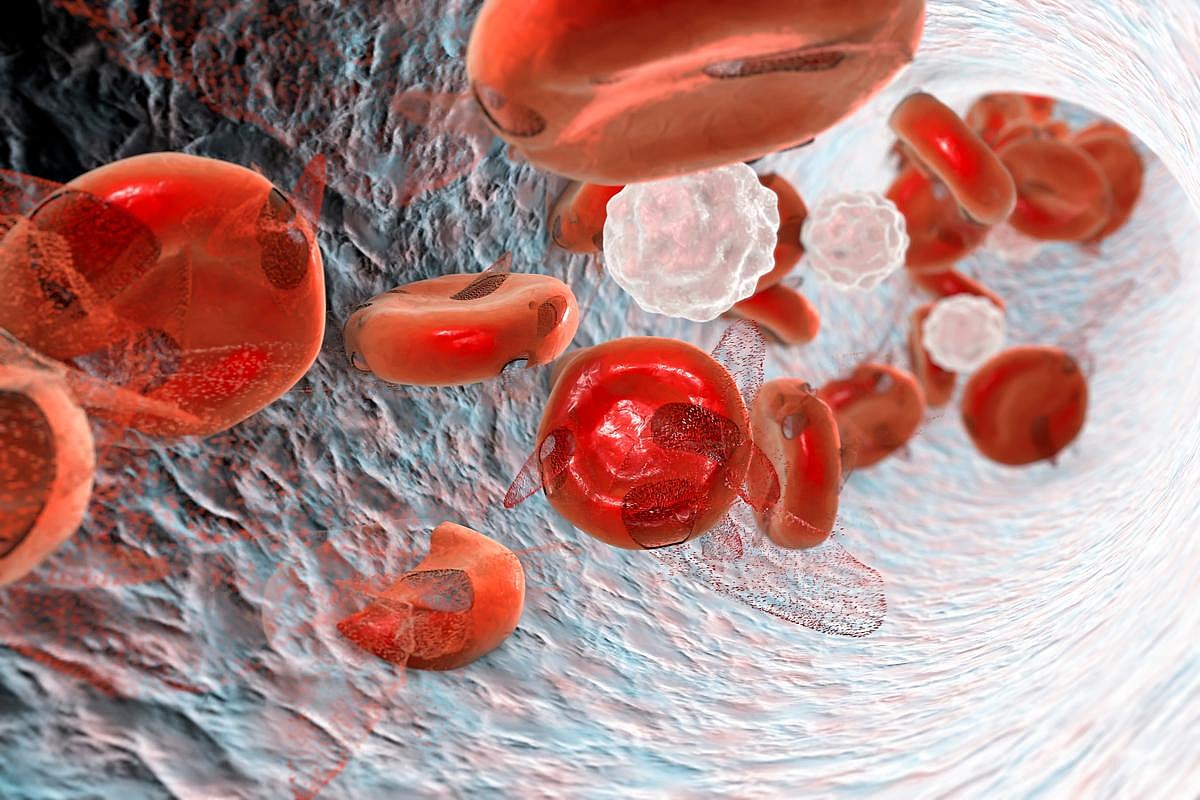
WEDNESDAY, April 23, 2025 (HealthDay News) — Maternal anemia in early pregnancy is associated with an increased risk for congenital heart disease (CHD) in offspring, according to a study published online April 23 in BJOG: An International Journal of Obstetrics and Gynaecology.
Manisha Nair, M.B.B.S., from the University of Oxford in the United Kingdom, and colleagues conducted a matched case-control study from January 1998 to October 2020 to examine whether maternal anemia in early pregnancy is associated with CHD in offspring. Cases were 2,776 women with a child diagnosed with CHD within five years of birth; these women were compared to 13,880 matched control women without a child diagnosed with CHD.
Overall, 123 cases and 390 controls (4.4 and 2.8 percent, respectively) had anemia. The researchers found that the odds of giving birth to a child diagnosed with CHD were significantly higher among mothers with anemia, after adjustment for potential confounders (adjusted odds ratio, 1.47).
“The preliminary evidence generated by our research about the association of maternal anemia in early pregnancy with increased rates of CHD in the baby has the potential to substantially reduce the number of children born with CHD, currently estimated as ~2.5 million annually,” the authors write.
 Preoperative IV Iron Beneficial for Patients With Anemia Undergoing Cardiac Surgery
 .jpg) Pregnancy Complications Rare for Women Receiving CAR T-Cell Therapy
Pregnancy Complications Rare for Women Receiving CAR T-Cell Therapy  Higher Parental Vitamin B12 Tied to Lower Prevalence of Birth Defects
  Paternal Exposure to Valproate Not Linked to Offspring Neurodevelopmental Disorders
  Updated Recommendations Address Medications to Prevent Migraine in Adults
  Probable Postictal Psychosis Linked to Risk for Subsequent Primary Psychotic Disorders
  December 2024 to 2025 Saw Significant Increase in Leucovorin Dispensing
  Childhood-Onset Epilepsy Tied to Lower Rate of Educational Attainment