


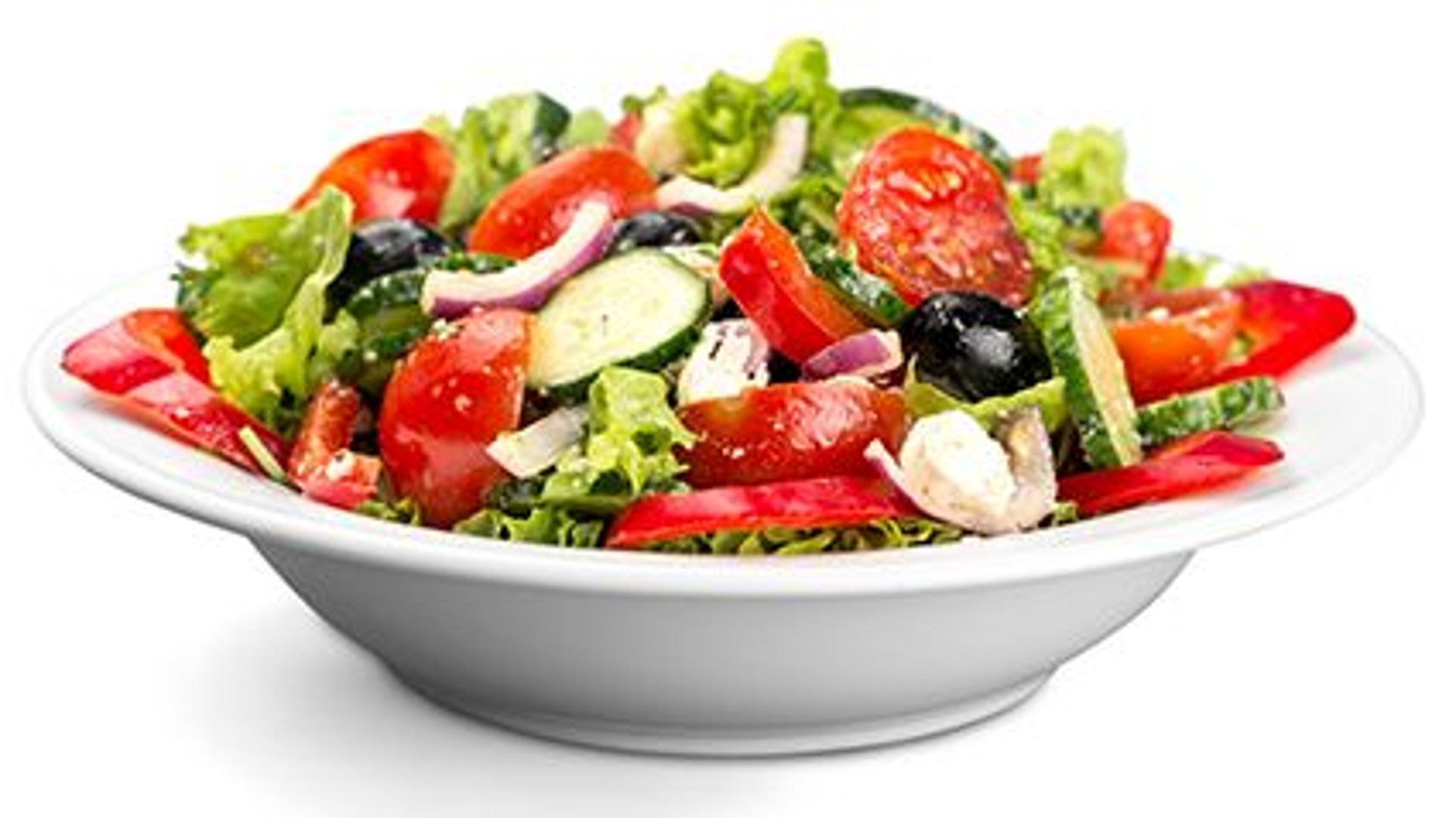
Risk reduction driven by improvement in insulin resistance, lipoprotein metabolism, and inflammation
TUESDAY, Nov. 24, 2020 (HealthDay News) — Higher adherence to a Mediterranean diet (MED) is associated with a 30 percent risk reduction in type 2 diabetes in women, according to a study published online Nov. 19 in JAMA Network Open.
Shafqat Ahmad, Ph.D., from Brigham and Women’s Hospital in Boston, and colleagues assessed the relative contribution of conventional and novel biomarkers in MED-associated type 2 diabetes risk reduction among 25,317 seemingly healthy women (mean age, 52.9 years). Baseline assessment took place during September 1992 to May 1995. Data were collected from November 1992 to December 2017 (mean follow-up, 19.8 years).
The researchers found that higher baseline MED intake (score ≥6 versus ≤3) was associated with a lower type 2 diabetes risk (age-adjusted and energy-adjusted hazard ratio [HR], 0.70; HR further adjusted for body mass index [BMI], 0.85). Lower risk was most driven by biomarkers of insulin resistance (65.5 percent of the MED-type 2 diabetes association), followed by BMI (55.5 percent), high-density lipoprotein measures (53 percent), and inflammation (52.5 percent), with lesser contributions from branched-chain amino acids (34.5 percent), very low-density lipoprotein measures (32 percent), low-density lipoprotein measures (31 percent), blood pressure (29 percent), and apolipoproteins (23.5 percent). The contribution from hemoglobin A1c was minimal (≤2 percent).
“These findings suggest that the MED diet may be protective against diabetes by improving insulin resistance, lipoprotein metabolism, and inflammation,” the authors write.
Several authors disclosed financial ties to the pharmaceutical industry.
.jpg) Pregnancy Complications Linked to Subsequent Risk for Cardiometabolic-Renal Conditions
Pregnancy Complications Linked to Subsequent Risk for Cardiometabolic-Renal Conditions  GLP-1 Receptor Agonists, SGLT-2is Slow Renal Function Decline in T2D With Albuminuria
  Genetics, Diabetes Tied to MASLD-Associated Cirrhosis Before Age 50
  Study IDs Risk Factors for Ketoacidosis in Adults With T2D Receiving SGLT2 Inhibitors
 .jpg) Most Specialty Oral Anticancer Meds for Blood Cancers Are Initially Rejected by Insurers
Most Specialty Oral Anticancer Meds for Blood Cancers Are Initially Rejected by Insurers  Drug Interactions Reducing Contraceptive Effectiveness Common in Epilepsy
  Holding DMARDs at Time of COVID-19 Vaccine Not Warranted in Those With Inflammatory Arthritis
  1 in 3 With Lupus Take Supplements, Medications With Potential for Interactions


