Correlation stronger in the late menopausal transition than other time points
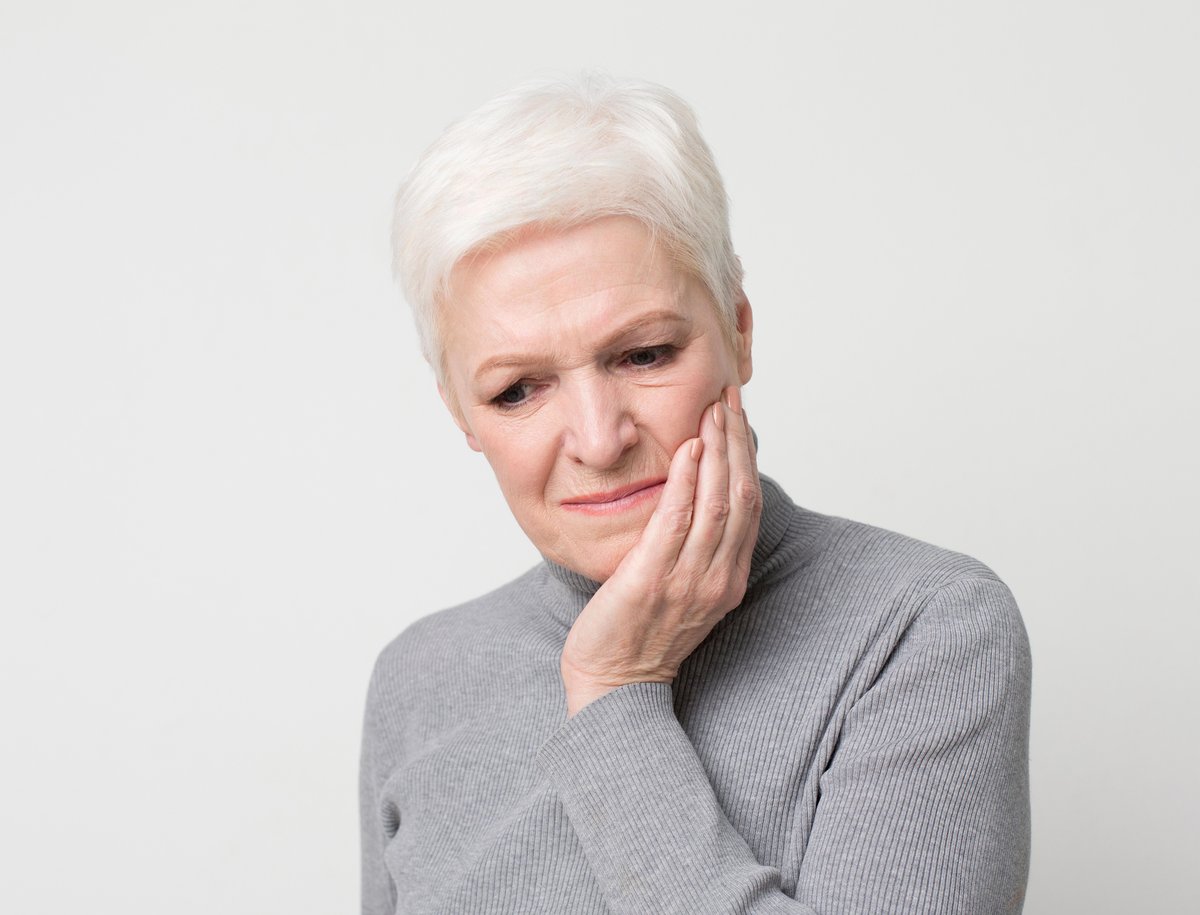
MONDAY, May 16, 2022 (HealthDay News) — Temporomandibular disorder (TMD)-induced pain and menopausal symptoms are correlated, according to a study published May 10 in Menopause.
Alessandra Pucci Mantelli Galhardo, Ph.D., from Universidade de São Paulo in Brazil, and colleagues examined the relationship between menopausal symptoms and pain caused by TMD. The analysis included 74 women with TMD symptoms.
The researchers found that TMD-induced pain was more intense in late menopausal transition than in late postmenopause. Menopausal symptoms correlated with the intensity of TMD-induced pain, and this correlation was more significant during the late menopausal transition. In early postmenopause, women with fewer than four years of schooling had a higher total Blatt-Kupperman menopausal index score and craniomandibular index versus women with more than four years of schooling.
“This study reinforces the known relationship between sex steroids, specifically estrogen, and the experience of pain. These results are unique in showing that TMD symptoms are linked with menopause symptoms and manifest differently across the menopause stages, with more prominent TMD and menopause symptoms occurring in the menopause transition compared with the years postmenopause,” Stephanie Faubion, M.D., medical director of the North American Menopause Society, said in a statement. “More study is needed to identify factors, such as low education, that influence these associations as well as strategies to mitigate bothersome TMD and menopause symptoms in midlife women.”
Abstract/Full Text (subscription or payment may be required)
 Type 2 Diabetes Linked to Worse Menopausal Symptoms
  Botox Helpful in Alleviating Chronic Migraine in Pediatric Patients
  Premature Menopause Linked to Increased Risk for Hypertension
  Platelet-Rich Plasma, Shockwave Therapy Show Therapeutic Efficacy in Interstitial Cystitis
 .jpg) Tadalafil Linked to Glaucoma in Men With Lower Urinary Tract Symptoms
Tadalafil Linked to Glaucoma in Men With Lower Urinary Tract Symptoms  Review Reveals Limited Effects of Exercise on Hip Osteoarthritis
  Data Reveal No Hypersensitivity Due to Axillary Brachial Plexus Block Alone
  Adding Cognitive Behavioral Therapy, Self-Management Does Not Improve Opioid Taper Success