


Mental health hospitalizations for suicide attempt or self-injury increased 41.7 percent by fall 2020, with a 49 percent increase seen among girls
FRIDAY, June 3, 2022 (HealthDay News) — Suicide or self-injury and depressive disorders continued to account for a majority of acute mental health care encounters in U.S. children’s hospitals after COVID-19-related school closures, according to a study published online May 25 in Psychiatric Services.
Bonnie T. Zima, M.D., M.P.H., from the University of California in Los Angeles, and colleagues conducted a retrospective, cross-sectional cohort study using the Pediatric Health Information System database to assess percent changes in emergency department discharges and hospitalizations among children aged 3 to 17 years in 44 U.S. hospitals in 2020 (after statewide COVID-19-related school closure orders) compared with 2019. Data were included for 2,658,474 total encounters in 2020.
The researchers found that the decrease in mental health emergency department discharges was smaller than the decline in emergency department discharges and hospitalizations for primary general medical disorders (−24.8 versus −49.1 percent) and mental health hospitalizations decreased less (−8.0 versus −26.8 percent) in 2020. More than 50 percent of acute mental health care encounters before and after the statewide school closure were suicide attempt or self-injury and depressive disorders. There was a 5.1 percentage point increase in both emergency department discharges and hospitalization for suicide attempt or self-injury. By fall 2020, there was a 41.7 percent increase in mental health hospitalizations for suicide attempt or self-injury, with increases of 43.8 and 49.2 percent among adolescents and girls, respectively.
“Adolescent girls were particularly vulnerable after the statewide school closures, as evidenced by a disproportionate rise in acute MH encounters for suicide or self-injury in summer and fall 2020,” the authors write.
.jpg) Considerable Gaps Reported in Care for Youth With Opioid Use Disorder
Considerable Gaps Reported in Care for Youth With Opioid Use Disorder  2013 to 2024 Saw Decrease in Benzodiazepine Prescribing
  Childhood Cancer Survivors Often Have Mental Distress in Adulthood
  Nutritional Deficiencies Seen in Youth Taking GLP-1 Receptor Agonists
 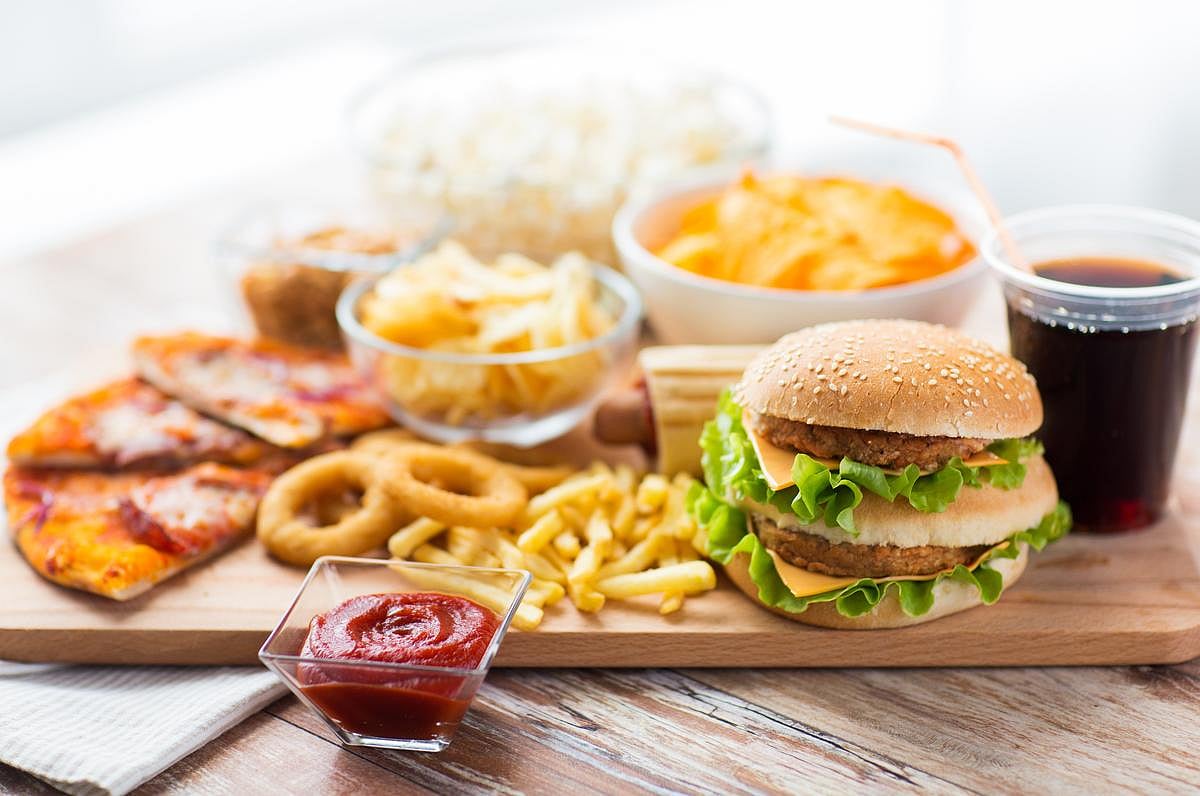 Eating More Ultraprocessed Foods Heightens Risk for Chronic Diseases
 .jpg) Mortality Lowest at Hemoglobin Concentrations Above WHO Thresholds
Mortality Lowest at Hemoglobin Concentrations Above WHO Thresholds 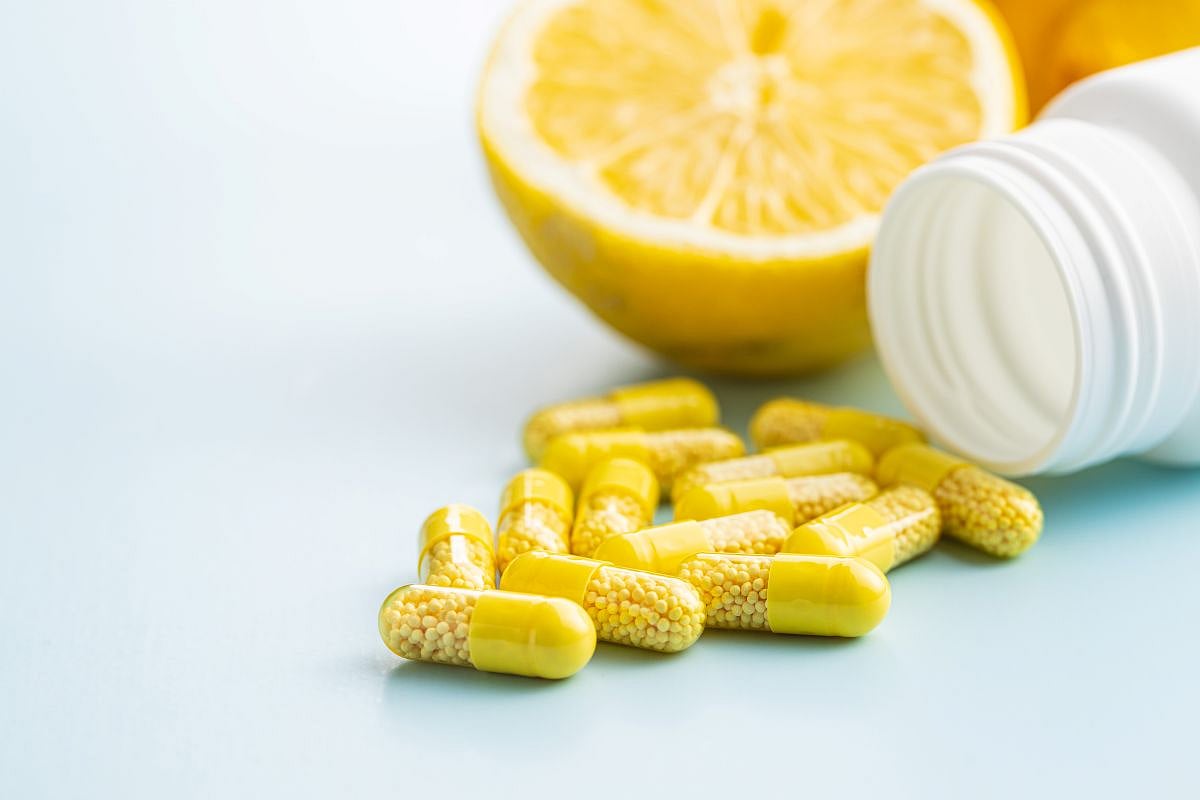 Oral Vitamin C Active in Clonal Cytopenia of Undetermined Significance
 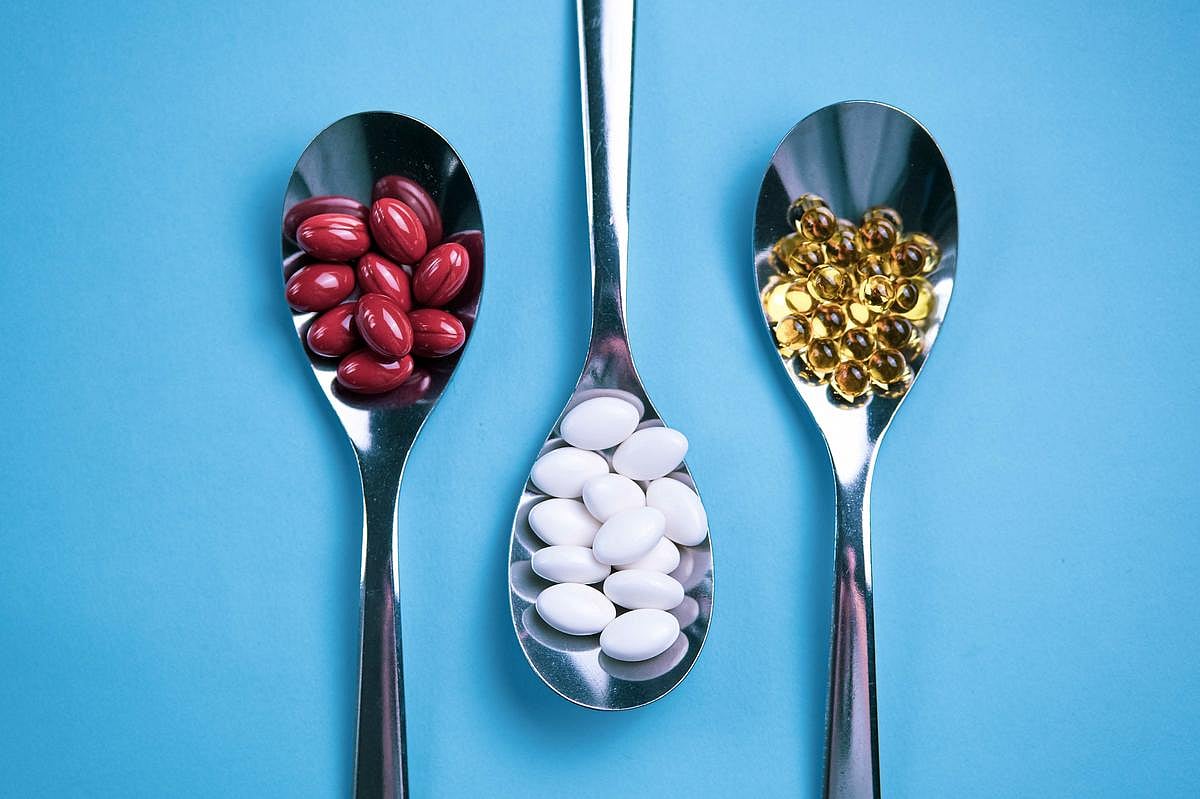 2009 to 2023 Saw Surge in Probiotic Supplement Use




.jpg)