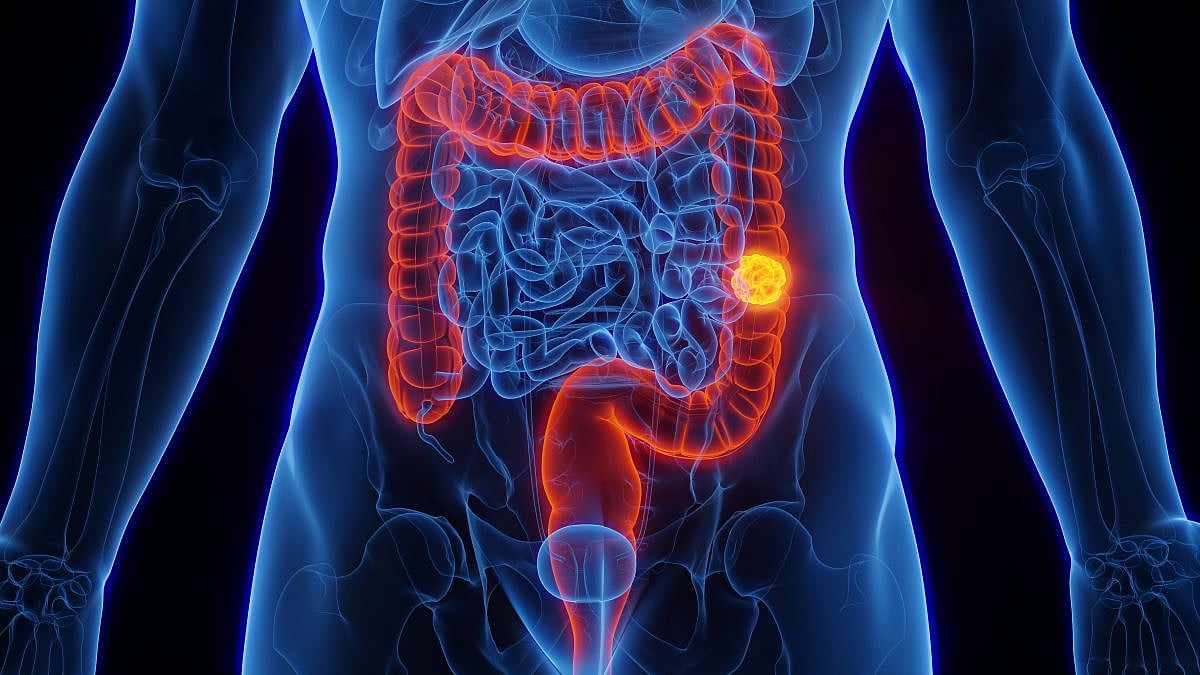
MDT associated with improved progression-free, radiographic progression-free, castration resistance-free survival
MONDAY, Feb. 9, 2026 (HealthDay News) — For patients with oligometastatic prostate cancer, metastasis-directed therapy (MDT) is beneficial for progression-free, radiological progression-free, and castration resistance-free survival, according to research published in the February issue of The Lancet Oncology.
Chad Tang, M.D., from The University of Texas MD Anderson Cancer Center in Houston, and colleagues conducted a systematic review and individual patient data meta-analysis to examine the effectiveness of MDT for oligometastatic prostate cancer. A total of 2,975 studies were identified for screening; seven phase 2 studies were included in the review, with 574 participants.
MDT was evaluated in six trials, which randomly assigned 472 patients to MDT plus standard of care (SOC) versus SOC (248 and 224, respectively); the median follow-up was 40.7 months. The researchers observed an association for MDT with improved progression-free survival (trial-level hazard ratio, 0.44; patient-level hazard ratio, 0.45), radiographic progression-free survival (trial-level hazard ratio, 0.60; patient-level hazard ratio, 0.59), and castration resistance-free survival (trial-level hazard ratio, 0.58; patient-level hazard ratio, 0.58). The hazard ratios for the association between MDT and overall survival (0.63 and 0.64 in trial-level and patient-level analyses, respectively) were not significant.
“We hope that this dataset will lay the groundwork for future Phase III trials, which hopefully will show an overall survival benefit for these patients,” Tang said in a statement. “However, what this data does already show is the best evidence to date that MDT significantly benefits patients without adding any notable safety risks.”
Several authors disclosed ties to the biopharmaceutical industry.
Abstract/Full Text (subscription or payment may be required)
 Achieving PSA <0.2 ng/mL Improves Survival in Metastatic Castration-Sensitive Prostate Cancer
  Randomized Trial of Early Vitrectomy Feasible for Postoperative Endophthalmitis
  Platelet-Rich Plasma, Shockwave Therapy Show Therapeutic Efficacy in Interstitial Cystitis
  Press-Needle Therapy Shows Potential for Pediatric Allergic Rhinitis
  Full, Limited Functional Endoscopic Sinus Surgery Beneficial in Rhinosinusitis With Nasal Polyps
  Exacerbation Risk Profiles Vary With House Dust Mite Sensitization in Pediatric Asthma
  One-Third of Patients With Chronic Rhinosinusitis With Nasal Polyps Exhibit Anxiety Symptoms
  Hypoglossal Nerve Stimulation May Offer Long-Term Cardiovascular Benefits in OSA